Tailgating in High-Seating Vehicles: Risks, Safety Tips, and Irish Road Insights
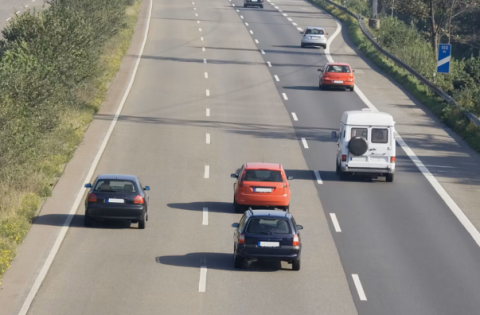
Tailgating is a common and dangerous driving behaviour on Irish roads, especially when you’re behind the wheel of a high-seating vehicle like an SUV or crossover. In Dublin, South Dublin, and across Ireland, many drivers underestimate stopping distances in vehicles such as the Suzuki Vitara, S-Cross, or Swift. The elevated seating position can distort your perception of speed and distance, increasing the risk of collisions.
Tailgating is a leading cause of rear-end collisions and is considered an unsafe driving practice in any vehicle. The vast majority of drivers have experienced tailgating or the risks associated with it, highlighting its prevalence and the importance of maintaining safe distances to prevent collisions.
Why Tailgating Feels Less Risky in High-Seating Vehicles
Driving a high-seating vehicle often gives a false sense of control and distance. Although you sit higher and feel further away from the vehicle ahead, the reality is that stopping distances are longer due to the vehicle’s weight and higher centre of gravity. Elevated seating in SUVs and trucks provides improved road visibility, allowing you to see over smaller vehicles. At Gerry Caffrey Motors, we frequently observe drivers underestimating these distances, particularly in busy Dublin traffic or slippery South Dublin roads.
Vehicles like the Suzuki Vitara and S-Cross provide excellent visibility, but their heavier frames mean they require more space to stop safely. High-seating vehicles, including SUVs and trucks, have larger blind spots and require at least four seconds of following distance to the car in front. Compared to standard cars, both SUVs and trucks need significantly more distance to come to a complete stop, especially at higher speeds. Even a small misjudgement in following distance can lead to costly collisions, especially when roads are wet or icy.
The Impact of Irish Weather on Tailgating and Stopping Distances
Ireland’s unpredictable weather—rain, frost, fog—significantly affects stopping distances. What might be a safe gap in dry conditions can quickly become insufficient in wet or icy weather. The two-second rule is a guideline to maintain a safe distance from the vehicle in front to avoid tailgating. Tailgating significantly reduces reaction time and increases stopping distances, especially in larger vehicles. The two-second rule for safe following distances should be doubled to four seconds in these conditions to allow for the increased braking distance. To apply the two-second rule, pick a fixed point such as a sign or bridge—when the vehicle ahead passes that point, you should be able to count at least two seconds before your vehicle reaches the same point.
Regular checks of your vehicle’s brakes, tyres, and suspension are vital. Many drivers neglect these maintenance tasks, assuming their vehicle’s “premium stock” status ensures safety. However, compliance with NCT and VRT regulations is not enough; keeping your vehicle in top condition helps all road users stay safe.
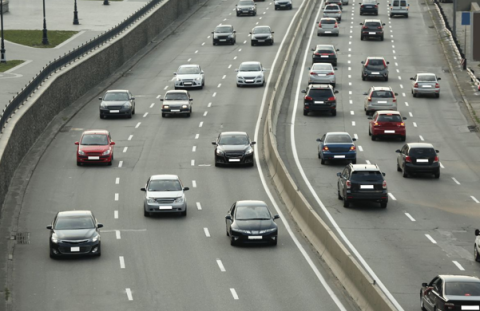
Signs You Might Be Tailgating Without Realising
It’s easy to develop bad driving habits, especially in high-seating vehicles. People tailgate for various reasons, sometimes without even realizing it. Common signs include:
- The person who tailgates often poses a significant risk to everyone on the road.
- Misjudging distances due to the elevated viewpoint.
- Feeling anxious or tense when following slower vehicles.
- Braking suddenly or at the last moment.
If you notice these signs, let yourself fall back to create a safer gap between you and the vehicle ahead. Only a fool breaks the two-second rule—fool breaks this rule at their own risk. To avoid tailgating, always maintain a two-second gap between your vehicle and the one in front.
For drivers of SUVs and crossovers, it’s essential to consciously maintain a larger gap—at least two car lengths or more—to ensure you can stop safely if the vehicle in front suddenly brakes.
Understanding Stopping Distances and the Highway Code
The Irish Highway Code stresses the importance of maintaining a safe distance to avoid collisions. The Highway Code specifically states that tailgating is dangerous, intimidating, and can cause collisions, especially at high speeds. Tailgating is classified under dangerous driving and careless driving offences, punishable by fines and penalty points. Police can issue £100 fines and 6 points on a driver's license for tailgating, and the legal course of action can include prosecution for driving without due care and attention. One in eight road casualties is due to tailgating, which is linked to 100 deaths or serious injuries on the road network each year. The rule of thumb is to keep a gap that allows you to stop safely, factoring in your vehicle type, speed limit, and traffic conditions.
High-seating vehicles generally require longer stopping distances than compact cars due to their size and weight. At higher speeds, the gap should be increased accordingly. The two-second rule is a minimum; use a sign or fixed point as a reference to measure this gap. In heavy traffic, bad weather, or on slippery roads, a larger gap is necessary. Always maintain a safe distance from other vehicles, not just the one in front, to reduce the risk of chain-reaction accidents. In built up areas, extra caution and greater distances are needed due to lower speed limits, increased pedestrian activity, and frequent stops.
How to Handle Tailgaters and Stay Safe
If you find a tailgater dangerously close to your rear bumper, stay calm and avoid aggressive responses like brake checking. Instead:
- Avoid sudden braking or erratic driving that could cause a road rage incident or accident.
- You can lightly tap your brakes to activate your brake lights as a warning, but do not stop suddenly.
- If safe, pull over into the outside lane or a lay by to allow the tailgater to pass.
- Signal early and clearly if you intend to slow or change lanes.
- Maintain a safe distance from the vehicle ahead, creating space to slow down gradually.
Tailgating can be a form of intimidation, with one driver using their position to pressure or unsettle the vehicle in front. Some drivers may tailgate because they feel a sense of power over the vehicle ahead.
Remember, it’s up to the tailgater to maintain a safe distance. If an accident does happen, the driver who tailgated is usually at fault due to insufficient stopping distance.
The Psychology Behind Tailgating and Road Rage
Tailgating often stems from impatience, frustration, or simply being on 'autopilot'—some drivers tailgate because they are not paying full attention to their driving. Impatient drivers may believe tailgating will encourage the vehicle ahead to speed up or move over. However, this behaviour increases stress for all other drivers and can escalate into dangerous situations, especially on motorways where high speeds make collisions far more likely to result in serious injury or death.
Studies show that tailgating is a leading cause of road rage and accidents. Staying calm and focused, and not engaging with aggressive drivers, is the best way to protect yourself and others. Remember, driving without due care and attention—including tailgating—can result in legal penalties and police action.
Choosing the Right Suzuki for Safety and Comfort
At Gerry Caffrey Motors, we help customers find Suzuki vehicles that balance visibility, comfort, and safety. Each model—from the Suzuki Vitara to the S-Cross and Swift—offers features designed to enhance driver awareness and control.
Suzuki Swift: Compact and nimble, perfect for navigating tight city streets while offering elevated visibility.
Suzuki S-Cross: Premium crossover with extra space and stability, ideal for families.
Suzuki Vitara: Great for both city and country driving, with high seating and responsive handling.
When considering high-seating vehicles like SUVs and trucks, best practices include managing the loading/unloading area efficiently and using the vehicle’s height for comfort without blocking the view or access for others. Modern trucks and SUVs may also feature smart tailgates that can be used for seating or as food prep surfaces, adding convenience for outdoor activities.
Our new and used stock is fully inspected to meet safety standards, and we offer finance options and trade-ins to make upgrading easy.
Additional Tips for Driving High-Seating Vehicles Safely
- When tailgating at events, position grills at least six feet away from high-seating vehicles to avoid damage from heat or grease.
- Remember that high-seating vehicles have a higher center of gravity, increasing rollover risks during sudden maneuvers; always drive smoothly and maintain safe distances.
- Avoid lane hogging by keeping to the inside lane unless overtaking, which helps reduce frustration and tailgating from other motorists.
- If you’re tailgating or being tailgated in traffic, especially when two or three cars are closely packed, maintain extra space to ensure safety and allow time to react. Sometimes, it’s safer to fall back or come to a complete stop to assess the situation and manage the behavior of a tailgater.
- Use slide-resistant vehicle steps or tailgate steps to safely access the rear of your vehicle and reduce the risk of a fall.
- Maintain proper tire pressure, especially if your vehicle carries heavy loads, to ensure optimal braking performance.
- When reversing or parking, follow the G.O.A.L. (Get Out And Look) principle to avoid hazards hidden from view.
- Always be mindful of your vehicle’s larger blind spots compared to compact cars, and stay aware of other vehicles around you. Use mirrors and backup cameras where available.
By applying these safety practices, you can enjoy the benefits of your high-seating vehicle while minimizing the dangers associated with tailgating and road conditions in Ireland.
Thinking about upgrading to a Suzuki? Visit Gerry Caffrey Motors in Terenure, Dublin 6W to explore our new and used stock, discuss finance options, or arrange a test drive.