Step-by-Step: How to Handle a Sudden Engine Failure at Speed
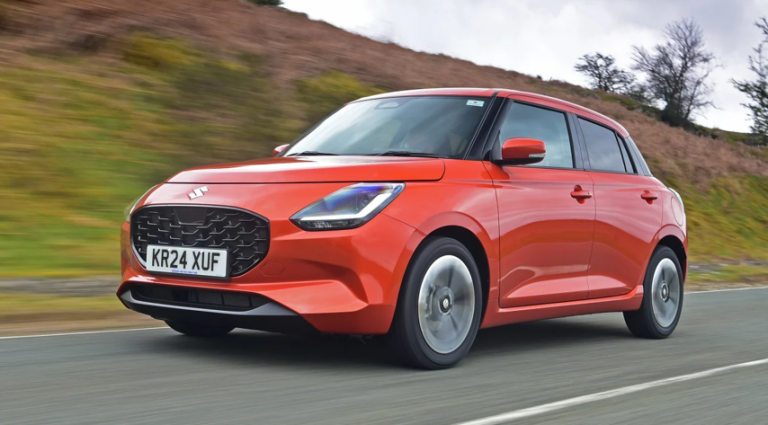
Sudden engine failure while driving can be a heart-stopping moment, especially on Dublin’s busy roads or winding routes in South Dublin. Sudden engine failure can happen suddenly and bring your vehicle to a complete stop, highlighting the abruptness and seriousness of the situation. Knowing what to do can make all the difference, whether you’re behind the wheel of a Suzuki Vitara, Swift, or S-Cross.
In our experience at Gerry Caffrey Motors, many drivers underestimate how often engine issues can happen – even on newer, premium stock vehicles. Sudden engine failure can happen due to various reasons such as fuel system problems, ignition system faults, overheating, or mechanical failure. The car's engine is a vital component, and manufacturing defects can also be a root cause of engine failure. Understanding these causes and knowing how to respond can keep you safe on the road. Sudden engine failure while driving is often caused by a loss of lubrication, severe overheating, or electrical/fuel system failures.
What is a Sudden Engine Failure?
A sudden engine failure happens when your car’s engine stops producing power unexpectedly. The most common causes include fuel pump failure, timing belt or chain failure (which can lead to severe internal engine damage, such as bent valves or damaged pistons), overheating due to high temperatures, faulty spark plugs, and an overheated engine block. High temperatures can cause engine overheating and failure. Issues with specific engine parts, such as pistons, valves, or the oil pump, can result in severe damage if not addressed. Water or coolant entering the engine can cause severe damage, potentially leading to engine hydrolock. Loss of power or sluggish acceleration can indicate issues with the fuel system or compression, and problems with components like turbochargers can cause the engine to use more fuel. On Irish roads, this often occurs on the motorway during wet conditions or on hilly routes in South Dublin.
Understanding Engine Failure Symptoms and the Check Engine Light
Recognizing the early symptoms of engine failure can save you from major headaches and costly repairs down the line. One of the most important warning signs is the check engine light. When this light appears on your dashboard, it’s your car’s way of telling you that something isn’t working properly within the engine or its supporting systems.
Common triggers for the check engine light include problems with the fuel system—such as a faulty fuel pump or clogged fuel filter—or issues in the ignition system, like a faulty spark plug or a failing ignition coil. These problems can disrupt the combustion process, leading to poor fuel delivery, reduced power, or even causing the engine to fail completely if left unchecked.
Other symptoms to watch for include unusual exhaust smoke: blue smoke indicates burning oil, white smoke may signal a coolant leak often related to a blown head gasket, and black smoke points to excessive fuel consumption. Strange noises like knocking or ticking can indicate internal engine damage or issues with components such as bad spark plugs or a broken thermostat. Additionally, the temperature gauge rising into the red zone or the oil pressure light illuminating are serious signs of an overheated engine or insufficient lubrication.
Ignoring the check engine light or these warning signs can quickly turn a minor issue into total engine failure, resulting in expensive repairs or even the need for engine replacement. If you notice the check engine light, unusual sounds, or changes in how your car drives, it’s essential to have your vehicle checked by a professional as soon as possible. Prompt attention to these early warning signs helps keep your engine running smoothly and ensures your Suzuki—or any car—stays reliable on Dublin’s roads.
Step 1: Stay Calm and Assess
The first thing to remember is not to panic. Take a deep breath and keep both hands on the wheel. In our experience, staying calm prevents overcorrection and helps you maintain control on slippery Dublin roads.
- Check your mirrors and traffic around you.
- Turn on your hazard lights immediately to alert other drivers.
Secondary keywords: hazard lights, driver safety, emergency response, check engine light
Step 2: Maintain Control
Even without engine power, your car can still steer and brake. Avoid sudden movements that could upset the balance, particularly if your car is a Swift or S-Cross, which handles differently under heavy braking.
- Use gentle braking, not slamming the pedal, to avoid skidding on wet roads common in Dublin.
- Shift into neutral to reduce engine strain.
Secondary keywords: steering control, braking techniques, car handling
Step 3: Move to a Safe Location
Your priority is getting off the road safely. On Dublin’s busy N11 or M50, this means carefully coasting to the hard shoulder or a safe lay-by.
- Avoid stopping in blind spots or bends.
- Turn your wheels slightly towards the curb if possible.
Secondary keywords: emergency lane, roadside safety, Dublin motorways
Step 4: Try Restarting the Engine
Once stopped, attempt a restart if it’s safe. Sometimes it’s a temporary fuel system issue or an electronic glitch. If it doesn’t start, do not keep trying repeatedly – this can cause further damage and lead to total engine failure or catastrophic failure.
- Remember, in Irish winter weather, electrical failures or a weak battery can mimic engine problems.
- Check dashboard warnings for clues such as the check engine light and watch out for white smoke indicating coolant leaks.
Secondary keywords: engine restart, dashboard warnings, car troubleshooting, fuel flow, ignition coil, sensors, white smoke, weak battery, catastrophic failure
Step 5: Call for Help
If restarting doesn’t work, call for roadside assistance. AA Ireland is a trusted service for drivers across Dublin and Ireland. Keep your mobile charged and car insurance details handy.
- If you’re driving a Suzuki, our advice is to mention your model – Vitara, Swift, or S-Cross – for the right spare parts and assistance.
Secondary keywords: roadside assistance, AA Ireland, car recovery
Step 6: Get a Professional Check
Even after a minor failure, it’s essential to have your car inspected. At Gerry Caffrey Motors, we often see customers bringing in vehicles for a full diagnostic test after sudden stalls or engine issues.
- Ensure NCT compliance and avoid VRT or Revenue complications in case of serious faults.
- Check air and fuel filters, as contaminated or restricted air fuel flow can impact engine performance and potentially lead to sudden engine failure.
- Inspect the cooling system, timing belt or chain, ignition system, and air intake.
- Check engine, fluids, belts, fuel injectors, and spark plugs.
If you notice recurring or unexplained engine issues, these may be due to manufacturing defects, which can cause early or unpredictable engine failures.
When checking fluids, remember that oil lubricates moving engine parts, preventing excessive friction and heat buildup. Maintaining proper oil levels is critical; low or dirty oil can cause premature wear and overheating. Fluid leaks under the car suggest a compromised sealing system, while a burning smell can indicate leaking fluids or overheating parts.
For a thorough GCM Service & Repairs, our team provides expert car diagnostics, vehicle inspection, and fuel system inspections to keep your Suzuki running reliably.
How to Prevent Sudden Engine Failure
Prevention is better than reaction. Regular servicing of your Suzuki – whether it’s a new Swift or a used Vitara – keeps you safe on Dublin roads.
- Consider trade-ins or upgrades if your current car has recurring issues.
- Address any oil leaks or coolant issues promptly to avoid major damage or expensive repairs.
- Pay attention to symptoms such as hard starting, engine stalls, overheating, smoke from the engine, or loss of power.
- Monitor warning lights and unusual sounds like knocking or hear strange noises from the engine.
- Excessive engine load from towing heavy loads or aggressive driving can lead to overheating and premature wear.
- Neglecting essential services like oil changes can cause excessive wear and tear on your engine.
- Lack of lubrication can lead to increased friction between engine parts, causing overheating and premature wear.
- Replace bad spark plugs promptly to prevent ignition system failures.
- Regularly inspect and maintain critical engine parts such as pistons, valves, the water pump, thermostat, and the oil pump to avoid sudden engine failure.
- Stick to manufacturer service schedules, including regular oil changes to maintain proper oil levels, fuel filter replacements, air filter checks, and fuel system inspections to ensure proper air fuel flow and prevent engine issues.
Driving Safely in Irish Conditions
Irish weather can be unpredictable – sudden rain, fog, or frost can amplify engine failure risks. Always adjust speed, keep brakes maintained, and know your escape routes on familiar routes in South Dublin or city streets.
Secondary keywords: Irish weather, driving safety, engine failure risks
Final Thoughts
Engine failure at speed is scary, but with calm, controlled action, you can keep yourself and others safe. In our experience, drivers who follow these steps are much less likely to end up in serious accidents.
Thinking about upgrading to a Suzuki? Visit Gerry Caffrey Motors in Terenure, Dublin 6W to explore premium new and used models, flexible finance options, and hassle-free trade-ins.