Your Car Survived the Summer Road Trips—But What Wore Out Along the Way?
The suitcases are unpacked, the sand has finally been hoovered from the boot and your car made it home without a warning light. Job done, right?
Not quite. Long motorway journeys, fully loaded boots, uneven rural roads and stop-start Dublin traffic can quietly accelerate wear and tear, leading to costly repairs if left unchecked.
A post-summer car check can uncover small issues before colder, wetter Irish weather turns them into expensive repairs.
Check Your Tyres for Summer Road Trip Wear
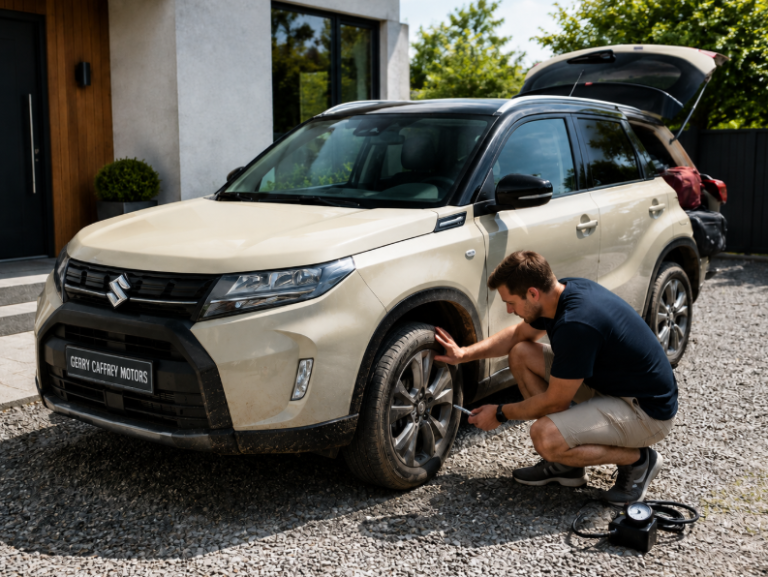
Tyres work particularly hard during a family road trip. Extra passengers and luggage increase the load, while higher speeds and warm road surfaces can contribute to faster tyre wear.
Inspect all four tyres for uneven tread, cracks, cuts, bulges or embedded objects. Check the tyre pressures against the manufacturer’s figures, usually found inside the driver’s door or in the owner’s manual. Maintaining correct tyre pressures helps improve fuel efficiency and prevents uneven wear.
Keep in mind that tire pressure decreases by 1 to 2 PSI for every 10°F drop in temperature, so a post-summer drop in temperature can affect your tyre pressure.
Pay attention to how the car feels as well. Vibration through the steering wheel or a tendency to pull to one side could suggest a pressure, balancing, alignment or suspension problem.
Irish law requires at least 1.6mm of tread across the central three-quarters of a tyre. However, the Road Safety Authority recommends at least 3mm for improved safety.
That extra tread can make a meaningful difference when heavy rain returns and standing water builds up on Dublin and South Dublin roads.
Don’t forget the rear tyres. Drivers often inspect the front pair because they’re easier to see, but rear tyre condition is equally important for stability.
In our experience, uneven tyre wear often points to more than an ageing tyre. Incorrect pressure, poor wheel alignment or worn suspension components may also be involved.
Driving conditions can affect tire wear and performance, so regular checks are essential.
Book a Brake Inspection If Something Feels Different
Motorway miles can appear easy on the brakes, but summer driving often includes steep descents, unfamiliar bends and repeated braking in busy towns.
Once you’re back in Dublin traffic, pay attention to how the brake pedal feels. Squealing, scraping or grinding noises shouldn’t be ignored.
A soft pedal, steering-wheel vibration under braking, pulling to one side or longer stopping distances can also indicate a developing issue. If the brake warning light appears, arrange an inspection promptly.
A proper brake inspection should assess the brake components, including pads, discs, and brake fluid level. Don’t wait for metal-on-metal grinding.
By that stage, a relatively straightforward brake pad replacement may have become a more expensive repair involving the discs.
Maintaining the right brake fluid level is crucial to ensure reliable brake operation and prevent corrosion or leaks in the system.
Brake performance may be affected by autumn leaves and winter ice conditions, so testing brake pads and rotors is crucial for safe stopping in adverse weather.
Inspect Your Engine Oil After a Long Journey
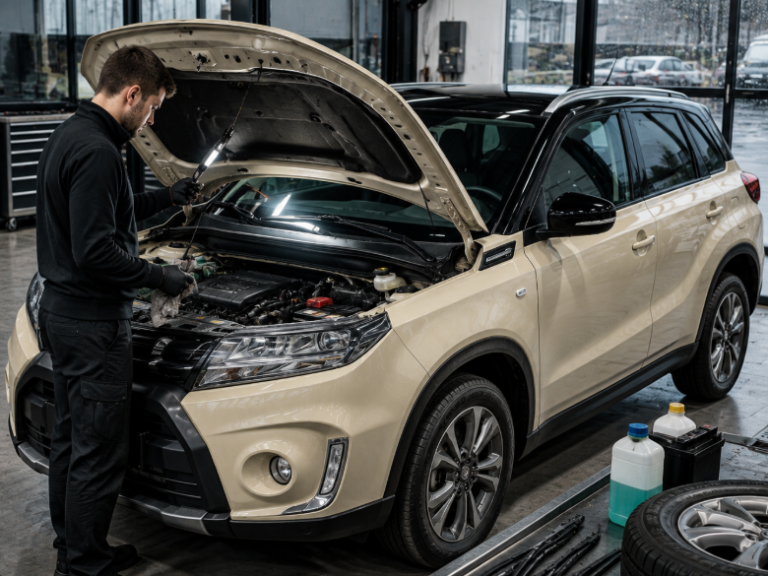
Engine oil lubricates moving parts, helps manage heat, and carries contaminants towards the oil filter. Long journeys don’t automatically damage it, but the additional mileage may bring your car closer to its scheduled oil change.
Engine oil reduces friction between moving engine parts and helps maintain optimal engine temperature. It also cleans contaminants from the engine and protects against corrosion in engine components.
Using quality engine oil can extend engine lifespan.
Check the oil level when the vehicle is parked on level ground and the engine is cool. Follow the instructions in the owner’s manual, as some newer cars use an electronic oil-level display rather than a traditional dipstick.
An oil level near or below the minimum mark needs attention. Very dark or gritty oil, fresh drips beneath the car, a burning smell or an oil-pressure warning light should also be investigated.
Topping up isn’t a substitute for replacing old engine oil and the filter. Always use the right oil grade specified by the original equipment manufacturer, as the wrong product can affect efficiency, performance and long-term engine protection.
Engine oil viscosity can break down faster in summer heat, so timely oil changes are important.
Using quality parts and motoring products during servicing helps keep your engine running smoothly and efficiently, preventing overheating and costly repairs.
If your Suzuki Swift, Vitara or S-Cross is due a service, the aftersales team at Gerry Caffrey Motors can check it before the autumn weather arrives.
Why a Suspension Check Matters on Irish Roads
Ireland’s scenic routes aren’t always kind to suspension systems. Potholes, broken road edges, speed ramps and rough surfaces can take their toll, particularly when a car is carrying passengers and a packed boot.
Knocking or clunking over bumps is a common warning sign. Excessive bouncing, vague steering, uneven tyre wear or a car sitting lower at one corner can also indicate a suspension problem.
Driving with worn suspension can lead to costly repairs.
We often see drivers become accustomed to gradual suspension wear. Because the change happens slowly, they don’t always realise how much ride quality and control have deteriorated.
Models such as the Suzuki Vitara and S-Cross are well suited to mixed Irish driving. However, no vehicle is immune to worn bushes, tired shock absorbers or alignment issues.
A professional suspension check can identify the cause and determine whether adjustment, repair or replacement is required.
Steering and suspension checks are recommended every 15,000 miles, with most manufacturers advising a full suspension overhaul at 50,000 miles.
Regular suspension maintenance is important to prevent costly repairs and ensure your car operates reliably into the future.
Don’t Overlook Fluids, Filters and the Battery
Summer mileage affects more than tyres, brakes and oil. A thorough post-trip check should also cover fluid levels, including coolant, brake fluid, and screen wash, as well as air filter and battery condition.
Only inspect the coolant when the engine is cold. Never remove the cap from a hot cooling system, as the pressurised coolant can cause serious injury.
Inspecting coolant levels is necessary to prevent engine overheating. Coolant should maintain a 50/50 balance with water to prevent freezing.
A dusty air filter can restrict airflow and affect performance. Rubber hoses and belts can become brittle and require routine inspections.
Battery health can be compromised by summer heat due to fluid evaporation, and battery life can shorten due to extreme summer heat.
Wiper blades also deserve attention. Irish weather can change quickly, and worn blades may leave streaks or reduce visibility during heavy rain. Wiper blades should be replaced if they show signs of cracking or streaking.
Windshield washer fluid should be winter-rated to resist freezing.
Exterior vehicle cleanliness is important for protecting paint against elements.
Testing all vehicle lights is important as daylight hours shorten in fall.
Car Servicing Isn’t Just About Passing the NCT
A valid NCT confirms that a vehicle met minimum roadworthiness standards when it was tested. It isn’t a replacement for regular maintenance or a guarantee that everything will remain fault-free.
The NCT is a roadworthiness test rather than a diagnostic service. Routine car servicing helps identify wear between tests, improves reliability and protects the vehicle’s service history.
That service history matters when it’s time to sell or trade in. A well-maintained car with clear records is easier to assess and may achieve a stronger trade-in valuation than a similar vehicle with gaps in its paperwork.
If you’re considering an imported used car, remember that the NCT is separate from VRT registration and Revenue requirements. Confirm the registration status, VRT position, motor tax and supporting documents before agreeing to buy.
Check brakes and inspect suspension components for wear before the NCT test. Ensure all lights are functioning as well.
Regular servicing helps prepare your car for the NCT.
Should You Service the Car or Consider an Upgrade?
Sometimes a post-summer inspection reveals only routine maintenance. Fresh engine oil, new tyres or replacement brake pads may be all that’s required.
However, repeated repair bills can change the calculation on an older or high-mileage vehicle. At that point, it’s worth comparing the cost of keeping the car with the predictability of upgrading.
A new Suzuki gives you access to current safety, connectivity and hybrid technology. A carefully selected used model can offer excellent value while keeping the initial purchase price lower.
The Suzuki Swift is an agile choice for Dublin streets and daily commuting. The Vitara offers practical SUV versatility, while the S-Cross provides extra passenger and luggage space for family journeys.
Gerry Caffrey Motors carries premium new and used stock, with flexible finance and trade-in options available. The team can help you compare models without putting pressure on the decision.
Give Your Car a Post-Summer Health Check
Your car doesn’t need to break down before it asks for attention. A change in noise, braking, steering or ride quality is often its way of telling you that something has worn along the way.
Checking tyre wear, arranging a brake inspection, monitoring engine oil and booking a suspension check can help prepare your car for wet roads, darker evenings and another Irish winter.
Regular servicing is recommended every 10,000 km or 12 months and includes up to 80 checks for vehicle safety to spot small issues before they become costly repairs.
Routine maintenance can significantly increase your car's lifespan, reduce the risk of accidents due to safety component failure, and help maintain more of its value over time.
An interim service includes brake, tyre, and fluid checks and is recommended every six months for high mileage drivers.
A full car service, which typically takes about three hours to complete, is recommended every 10,000 km or 12 months and includes up to 80 checks on the vehicle.
Proper functioning of heating and defrosters is crucial for winter driving visibility.
Visit Gerry Caffrey Motors at 106–112 Terenure Road North, Terenure, Dublin 6W, for a friendly chat with the team. Contact us to book your post summer car check and keep your vehicle up to date and reliable, saving money on costly repairs in the future.