Your Car Has Been Parked Outside All Night: Cold Morning Car Checks You Should Do Before Driving
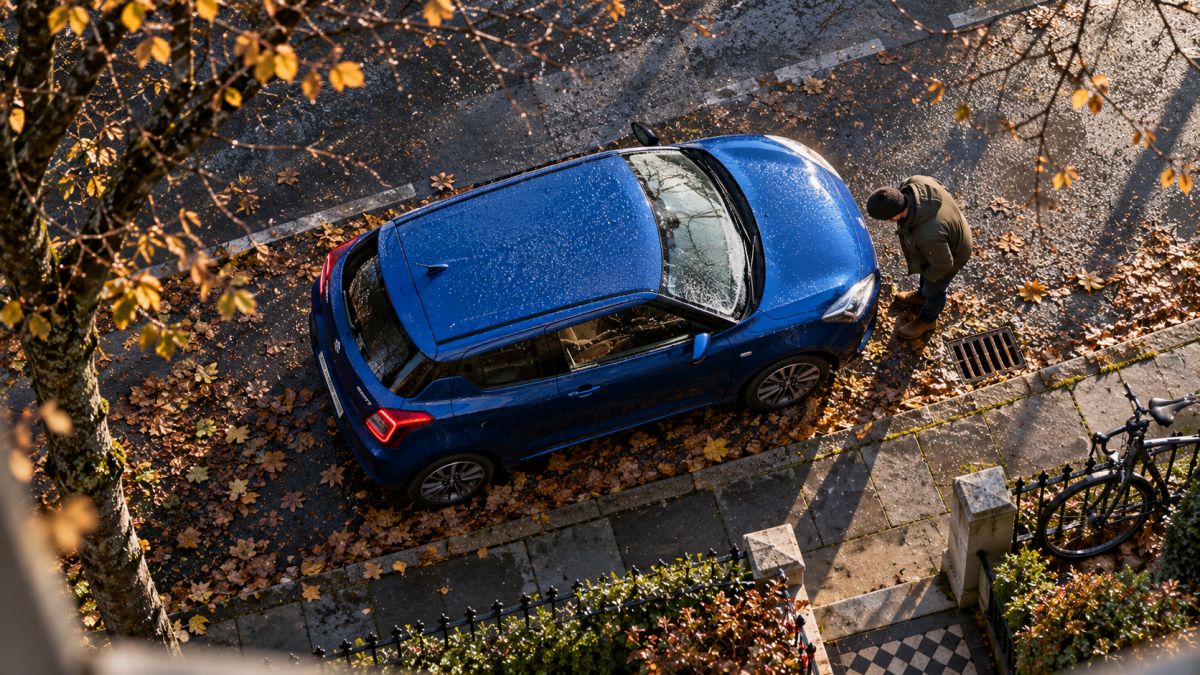
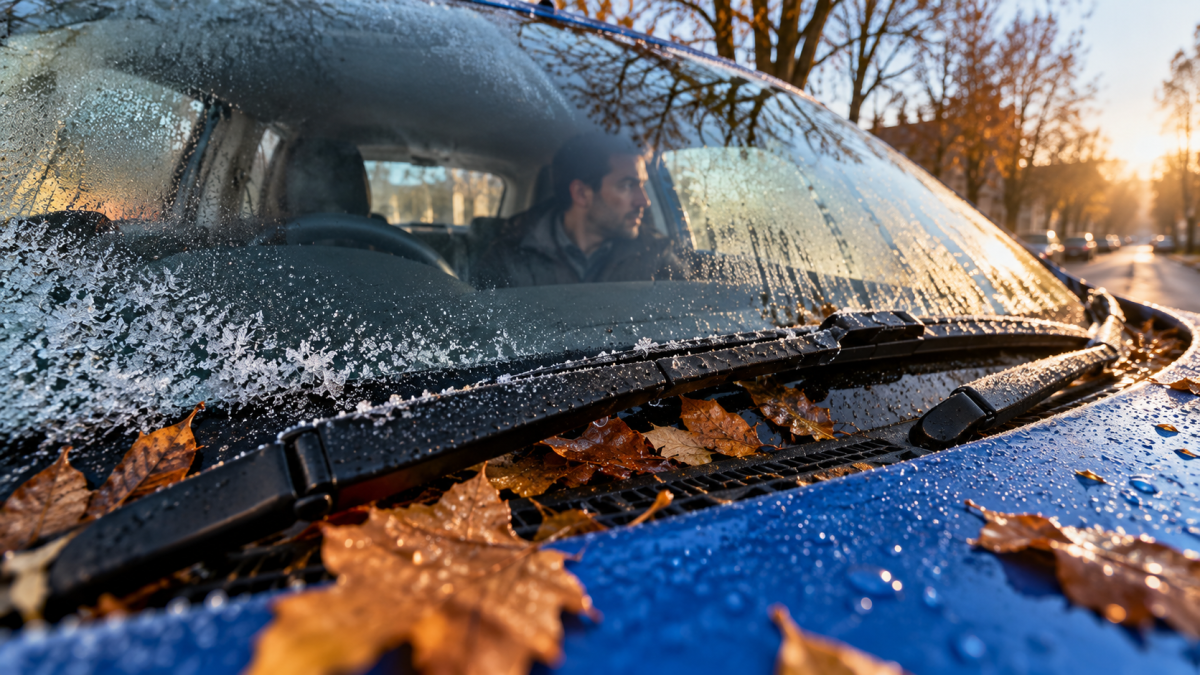
If your car has been parked outside all night in Ireland, it’s worth giving it a quick check before you pull away. These cold morning car checks are essential to ensure safe driving during the autumn months and winter season.
Between overnight rain, frost, damp air, fallen leaves, icy roads, and the occasional black ice, Irish weather can leave a car looking — and behaving — very different from how you parked it the evening before. That’s especially true through the autumn months and winter in Dublin.
The good news? You don’t need to spend half an hour inspecting your car every morning. By following these following tips and taking a little extra time, a few simple safety checks can help you spot potential hazards and give you better visibility, traction, and confidence before heading out onto the roads.
Here’s what we recommend checking before you set off, so you can prepare and stay safe on slippery roads.
1. Check Your Windscreen for Frost, Ice, and Condensation
Start with the obvious one: can you actually see properly? Clear visibility is crucial for safe driving and avoiding accidents.
Car condensation in Ireland is particularly common during damp autumn and winter mornings. Moisture can build up on the inside of the windscreen overnight, while colder mornings can leave frost, ice, or even black ice outside. Black ice is almost invisible and very dangerous, so be especially cautious on shaded stretches of road, bridges, and quieter roads where it may form.
Don’t drive away with a small clear patch directly in front of you. Clear the entire windscreen, side windows, and mirrors so you have proper all-round visibility. Use your car’s demister and air conditioning where fitted, and give the system enough time to do its job.
If the windscreen is frozen, use a proper scraper and suitable de-icer rather than pouring boiling water over the glass, which can damage the windscreen. Also, clear snow from your car and roof before starting the engine to protect other road users and avoid snow sliding onto your windscreen while driving.
In our experience, those extra few minutes are well worth allowing for on a cold Dublin morning.
2. Look at Your Wipers Before Switching Them On
It’s tempting to start the car and immediately flick on the wipers.
On a frosty morning, don’t. Wiper blades can freeze to the windscreen overnight. Trying to operate them while they’re stuck can damage the rubber blades and put unnecessary strain on the wiper mechanism.
Check that they’re free first. Keep wipers in good condition and top up washer fluid with a product rated for sub-zero temperatures to maintain performance year round.
Autumn leaves can also collect around the bottom of the windscreen and wiper area. Clear them away before driving, particularly after a windy or wet night.
Good wipers matter all year in Ireland, but during darker, wetter months they become particularly important.
3. Walk Around the Car and Check Your Tyres
You don’t need to take out a pressure gauge every morning, but a quick look at all four tyres is a very good habit.
Is one tyre visibly lower than the others? Is there obvious damage to a sidewall? Has anything become lodged in the tread? Tyre pressure can drop by around 10% in cold temperatures, reducing traction and increasing braking distances, especially on icy roads.
Winter tyres significantly improve grip and performance in icy conditions, so consider fitting them if you frequently drive on slippery roads during the autumn and winter months. Tyres must have at least 1.6mm tread depth legally, but a minimum of 3mm tread is recommended for safe driving.
Your tyres are your car’s contact with the road, so their condition becomes even more important when you’re dealing with wet leaves, standing water, frost, or ice.
This is one of the most important winter car checks in Ireland, particularly if you regularly travel from South Dublin onto faster routes such as the M50 or N11.
4. Check the Road Around Your Car
Sometimes the biggest risk isn’t on the car at all.
Before pulling away, look at the road surface immediately around you. A surface that simply looks wet can be slippery when temperatures have fallen overnight.
Be particularly careful around shaded stretches of road, bridges, and quieter roads that may remain colder for longer — these are the main hazards for black ice formation.
Wet leaves deserve attention too. They can make a road surprisingly slippery, especially under braking or while turning.
That’s worth remembering on tree-lined roads around Terenure, Rathfarnham, Templeogue, and other parts of South Dublin during the autumn months.
5. Make Sure Your Lights Are Clear and Working
Irish autumn and winter driving often means leaving home in poor light and returning after dark.
Before driving, check that your headlights aren’t covered by heavy dirt, frost, or moisture. Do the same for your rear lights and indicators.
In foggy conditions, use low beams to improve visibility rather than high beams, which can reflect back and reduce your sight.
You want to be able to see, but you also need other road users to see you clearly.
If you’ve noticed a warning on the dashboard or suspect a bulb has failed, don’t keep putting it off. Lighting is also something you’ll want in proper working order when your NCT comes around.
6. Check Your Number Plates and Cameras
Heavy rain, road spray, and grime can quickly make the rear of a car filthy.
Take a quick look at your registration plates and make sure they’re clearly visible.
If your car has a reversing camera, parking sensors, or other external driver-assistance sensors, check those areas too. A dirty camera lens can turn a normally crisp reversing image into a blurry mess.
We often see drivers become so accustomed to reversing cameras and sensors that they immediately notice when winter dirt affects them.
A quick wipe can make a big difference.
7. Listen to How the Car Starts
Cold weather can expose a weakening battery.
If the engine turns over noticeably more slowly than normal, the lights appear unusually dim, or the car struggles to start after sitting overnight, don’t simply assume it’s “because it’s cold.”
It could be an early sign that the battery needs attention.
This becomes especially important if the car spends most of its time doing short Dublin journeys, where the battery may have less opportunity to recharge fully.
If something sounds or feels different when the car starts, it’s worth investigating before you’re left with a car that won’t start at all.
8. Clear Leaves, Frost, Snow, or Debris From the Car
Snow isn’t an everyday occurrence in Dublin, but fallen leaves certainly are.
Clear anything that could obstruct your vision or become dislodged once you start moving.
Pay particular attention to the windscreen, rear window, mirrors, lights, and roof.
If we do get one of those properly frosty or snowy Irish mornings, allow extra preparation time rather than trying to rush the process.
9. Check Your Screen Wash
There are few things more frustrating than joining a wet motorway, getting covered in dirty road spray, and discovering the screen-wash reservoir is empty.
Check the level regularly through autumn and winter.
Use an appropriate screen-wash product rather than relying solely on plain water, particularly when freezing temperatures are possible.
While you’re at it, pay attention to how effectively your wipers clear the screen. Smearing, juddering, or missed areas can indicate worn blades.
10. Give the Demister Time to Work
One of the most common mistakes during cold weather driving is setting off before the windows have fully cleared.
You might be able to see ahead, but what about at junctions?
Side-window condensation can seriously reduce your ability to see pedestrians, cyclists, and oncoming traffic.
Use the front and rear demisters, air conditioning, and heated mirrors where your vehicle is equipped with them.
Modern cars can make this process much easier. If your current car regularly suffers from poor ventilation, persistent condensation, or unreliable heating, it may be worth having the system checked.
11. Take the First Few Minutes Easy
Your checks shouldn’t end the second you move away from the kerb.
Use the first few minutes to get a feel for conditions.
Brake progressively, accelerate smoothly, and leave more distance than usual when the road is wet, frosty, or icy. Avoid abrupt steering movements.
When driving on icy roads, use lower gears to maintain better control and keep a safe distance of up to 10 times the normal following distance to allow for longer braking distances.
This is particularly important on residential streets where shaded sections can remain slippery even when nearby main roads appear perfectly clear.
Drive slowly and reduce your speed, especially when heading into areas where the sky is grey and the road surface may change colour due to frost or ice.
12. Prepare a Winter Car Kit
To protect yourself and others on longer road trips during the winter, consider keeping a winter car kit in your vehicle. Essentials include a blanket, torch, and de-icer.
This extra care can make a difference if you encounter dangerous conditions or need to stop unexpectedly.
13. Allow Your Engine to Warm Up Briefly Before Driving
Before setting off, allow your engine to warm up for a few minutes to circulate oil properly and ensure smooth operation, especially on cold mornings.
Also, check and clear the exhaust pipe of any snow or ice to prevent dangerous carbon monoxide buildup inside the vehicle.
Autumn Driving Tips for Irish Motorists
Autumn can actually be trickier than many drivers expect.
The temperature might not feel particularly cold, yet you can still encounter heavy rain, standing water, fog, low sun, and wet leaves — sometimes on the same journey.
Visibility can be severely reduced during hail storms, so always stay alert and adjust your driving accordingly.
Give yourself a little more space from the vehicle ahead and pay attention to changing grip levels.
Low autumn sun is another issue on Dublin commutes. Keep the inside and outside of your windscreen clean, as dirt and smearing can make glare considerably worse.
And keep a pair of sunglasses somewhere accessible. They’re not just for summer months.
A Simple Morning Car Safety Checklist
Before driving away after your car has spent a cold or wet night outside, quickly check:
- The road around the car isn’t obviously icy or unusually slippery
- Leaves, frost, ice, snow, or debris have been cleared
- Screen wash is available and effective
- The engine starts normally
- There are no unusual dashboard warnings
- Number plates and reversing cameras aren’t covered in grime
- Headlights, rear lights, and indicators are clear and working
- Tyres look properly inflated and undamaged, with sufficient tread depth
- Wipers aren’t frozen or obstructed
- Windscreen, windows, and mirrors are completely clear
Once you’ve done it a few times, the whole routine takes very little time.
What If Your Car Regularly Struggles in Cold Weather?
An occasional frosty windscreen is normal. Repeated starting trouble, persistent condensation, worn tyres, or poor visibility aren’t things you should simply accept every winter.
If your current car is becoming less dependable, autumn can also be a sensible time to plan whether maintaining it or changing it makes more financial sense.
At Gerry Caffrey Motors, we offer both new and used cars, including premium used stock for drivers who want strong value without necessarily buying brand new.
Finance options can make upgrading more manageable, while trading in your current car can help simplify the process.
Suzuki Options for Irish Autumn and Winter Driving
For Dublin motorists, the right car depends heavily on how and where you drive.
The Suzuki Swift is compact and easy to manoeuvre, making it particularly well suited to city driving, tight streets, and busy South Dublin parking.
The Suzuki Vitara offers crossover practicality and a higher driving position, making it an appealing option for families and drivers who regularly combine Dublin commuting with longer journeys.
Then there’s the Suzuki S-Cross, which provides more space and SUV versatility. Depending on the model and specification, Suzuki’s ALLGRIP technology can also offer additional capability when road conditions become more challenging.
No technology replaces careful driving, particularly on icy or slippery roads. But choosing a well maintained car that suits the roads and conditions you actually encounter can make everyday ownership much easier.
Parked Outside Tonight? Give Yourself Five Minutes Tomorrow
Irish weather is unpredictable. Your morning routine doesn’t have to be.
A quick walk around the car, clear windows, healthy tyres, and a few moments checking the road conditions can help you start your journey with better visibility and fewer surprises.
In our experience, the best autumn driving tips and winter car checks in Ireland are usually the simplest ones — the checks drivers can realistically turn into habits.
And if those cold mornings are making you think it might be time for a newer car, Gerry Caffrey Motors has a range of Suzuki models and quality used cars to consider.
Thinking about upgrading to a Suzuki? Visit Gerry Caffrey Motors in Terenure, Dublin 6W, and talk to the team about the Swift, Vitara or S-Cross, finance options, and trading in your current car.