Worn Car Door Seals: Your Doors Sound Different When They Close—Could the Seals Be Aging?
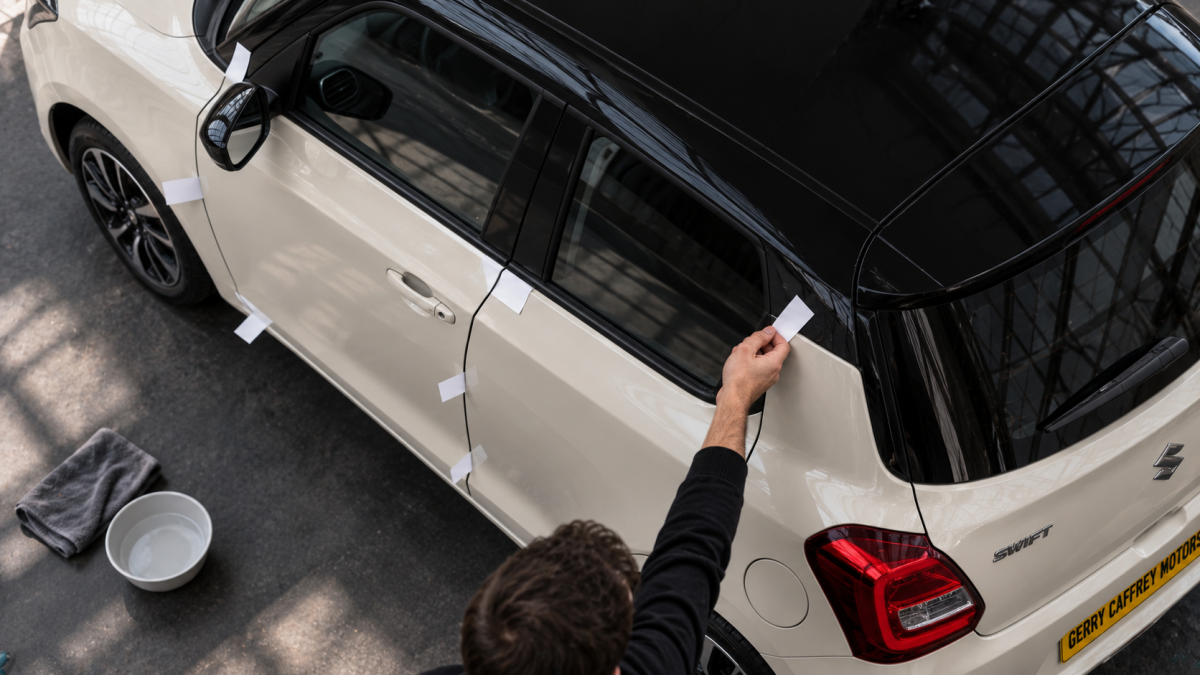
A healthy car door should close with a reassuring, solid sound. If yours has started to shut with a hollow clang, extra rattle, or unfamiliar thud, worn car door seals are a likely cause. As the rubber hardens, flattens, cracks, or pulls away from its channel, it can let in more wind and road noise, allow water ingress, and leave carpets or trim damp.
For car owners, especially in Ireland, this is worth catching early. In wet conditions, failing door seals can affect comfort, lead to interior moisture damage, and turn a small maintenance job into a more expensive repair. Below, we look at the common signs of worn seals, why they deteriorate, how to inspect and maintain them, when cleaning is enough and when replacement makes more sense, and when it may be worth weighing repair costs against upgrading to a newer used or new Suzuki.
Why Does a Car Door’s Closing Sound Change?
Rubber weather seals, or the car door seal, sit between the door and the body of your car. When the door closes, they compress to cushion the impact and create a barrier against air, water, dirt, and road noise.
Over time, the rubber may harden, flatten, crack, or pull away from its mounting channel. That changes how the door meets the body and can make the closing sound noticeably sharper.
In our experience, owners often hear the difference before they can see the problem. One door may sound lighter or more metallic than the other three.
However, the seal isn’t always responsible. A worn latch, loose striker plate, dropped hinge, or previous body repair can produce similar symptoms, so it’s important to inspect the complete door, with proper access to related components around the opening, for any defects.
Common Signs of Aging Car Door Seal Rubber
A different closing sound is just one warning. Look out for several symptoms occurring together.
Increased Wind Noise
A faint whistle around the top of the door at motorway speeds can indicate that the seal is no longer making even contact.
You may notice it most on the M50, N7, or when driving along an exposed stretch of road in windy weather. Noise that changes when you gently press against the closed door is another useful clue.
Wind noise can also come from a misaligned door, mirror housing, window channel, or roof accessory. Don’t order a new seal until the source has been confirmed.
Water Ingress Prevention After Heavy Rain
Irish weather is very good at finding a weak seal.
Check for damp carpets, wet door cards, condensation, leaks, or a musty smell after prolonged rain. Water marks around the inner door frame and sills may reveal where moisture is getting past the seal.
Bear in mind that some water normally enters the internal cavity of a car door before draining through holes at the bottom. Blocked drain holes or a damaged internal moisture membrane can therefore mimic a leaking door seal.
Water ingress prevention starts with maintaining good seals. Worn car door seals can lead to water ingress, which over time may cause penetrating damp inside the vehicle, leading to mold and potential electrical issues, and can make it unpleasant to live with day to day.
Cracked, Flattened, or Loose Rubber
Open the door and inspect the seal all the way around. Pay particular attention to the corners and lower edge, where dirt and moisture tend to gather.
Look for visible splits, a small tear, missing sections, and rubber that feels hard rather than flexible. Permanently flattened areas, loose sections, and kinks in the seal can all prevent the door from sealing correctly.
Heavy dirt or moss can also create a gap by bridging the seal, allowing water to enter.
A seal may look intact but still have lost its ability to spring back after being compressed. If you find one damaged spot, inspect the full seal because wear often spreads into nearby sections.
More Road Noise Inside the Cabin
Door seals help isolate the cabin from tire, traffic, and wind noise. If the interior suddenly seems louder, particularly on coarse Irish road surfaces, degraded seals may be part of the problem.
Compare the noise from each side of the car. A fault affecting one door is often easier to identify than gradual wear across the entire vehicle.
Why Do Door Seals Deteriorate?
Door seals have a demanding job. They face UV exposure, frost, summer heat, repeated compression, and constant contact with moisture and road grime.
Cars parked outdoors in Dublin can experience all of those conditions in the same week.
Frequent short journeys also mean the doors are opened and closed more often. On a family car used for school runs, commuting, and shopping, that adds up over several years.
Harsh cleaning chemicals can dry the rubber, while petroleum-based products may damage certain seal materials. Previous accident repairs or poorly fitted replacement parts can create uneven pressure and accelerate wear.
We often see additional deterioration on older used cars that have spent long periods parked outside or have been pressure-washed aggressively around the door apertures.
How to Check Your Door Seals at Home to Prevent Water Ingress
Start with the car parked somewhere dry and well lit.
Clean the seals gently using warm water, mild car shampoo, and a soft cloth. Dirt can disguise cracks and may prevent the rubber from sitting properly.
Next, run your fingers around the full seal. It should feel flexible and remain firmly located in its channel.
You can also try a simple paper test. Close the door on a strip of paper at several points around the frame, then pull gently. If the paper slides out with almost no resistance in one area, or that section feels loose while the rest stays fixed, the seal may not be compressing properly.
Don’t slam the door repeatedly to test it. If the door needs unusual force to close, there could be a positioning or latch issue that requires professional attention.
Carry out these steps regularly to catch early warning signs and prevent further damage.
Can Car Door Seals Be Restored?
Sometimes.
If the rubber is simply dirty or slightly dry, careful cleaning followed by a suitable automotive rubber-care product may restore some flexibility. Choose a product specifically intended for vehicle seals and follow the manufacturer’s instructions.
Avoid applying general-purpose oil, grease, or petroleum jelly. These products attract dirt and may not be compatible with the rubber.
Conditioning the rubber seals also helps prevent them from sticking or freezing in cold weather, keeping them flexible and effective.
Cleaning won’t repair a torn or failed, badly compressed, or distorted seal. Temporary adhesive fixes can also allow water to travel behind the rubber, hiding the leak rather than solving it.
When Is Door Seal Replacement Needed?
Worn car door seals usually need door seal replacement when the rubber is split, permanently flattened, missing, or no longer staying in its mounting channel.
Model-specific fit matters. A seal that is slightly too thick can make the door difficult to close, while one that is too thin may leave the original wind noise or leak unchanged. If the seal is split or no longer seated properly, do not wait too long, as moisture issues can get worse.
Before replacing the seal, a technician should check the door and hinge alignment, latch adjustment, window channels, drain holes, and internal moisture barrier. The car’s structure should also be examined for corrosion or signs of previous body repairs.
Replacing the outer seal won’t cure water ingress caused by a torn membrane or blocked drain.
Replacement seals are typically in stock at dealerships or auto parts stores, and once the correct part is in stock, it can usually be fitted and the issue fixed quickly.
Could Worn Door Seals Affect the NCT?
A worn rubber seal isn’t normally the first issue drivers think about when preparing for an NCT. However, the doors must operate safely, close properly, and remain secure.
If a door won’t latch correctly, has structural corrosion or can’t be opened as intended, that’s more serious than a little wind noise. Any problem affecting the safe operation of the door should be repaired before the test.
Even when an aging seal isn’t an immediate NCT concern, moisture should still be addressed. Persistent damp can damage carpets, wiring connections, speakers, and interior trim.
Check Door Seals Carefully When Buying a Used Car
When viewing a used car, don’t assess the doors by appearance alone. Open and close each one, listen for differences, and inspect the rubber around every frame.
Check the front and rear footwells for dampness. A strong air freshener, misted windows, or a recently cleaned carpet can sometimes make an existing moisture problem harder to spot.
Imported vehicles deserve the same physical checks. Their registration and tax position should also be verified separately under the applicable Revenue and VRT rules, particularly when a car has been brought in from Great Britain or Northern Ireland.
Buying from a reputable dealer gives you a clearer picture of the vehicle’s condition. Gerry Caffrey Motors offers a carefully selected range of new and premium used cars, with trade-ins welcomed.
Repair Your Current Car or Consider an Upgrade?
A replacement seal can be a sensible repair when the rest of the vehicle is in good condition. If several seals, trim pieces, and other age-related components are beginning to deteriorate, it may also be worth comparing the repair costs with changing your car.
The Suzuki Swift is well suited to city driving and busy South Dublin streets. It’s compact, easy to place on tighter roads, and practical for everyday commuting.
The Suzuki Vitara offers extra SUV practicality and a higher driving position. The S-Cross provides a spacious cabin for longer journeys, family use, and weekends beyond Dublin.
A new Suzuki gives you the reassurance of factory-fresh components and warranty cover. A quality used model may provide a lower entry price while still delivering the comfort and practicality you need.
Finance options can help spread the cost of a new or used car. Your current vehicle may also be used as a trade-in, reducing the amount that needs to be financed.
Don’t Ignore a Door That Suddenly Sounds Different
A change in how your door closes is your car telling you that something has shifted. It may be a dirty seal, compressed rubber, a latch adjustment, or a developing alignment problem.
Finding the root cause early can reduce wind noise, prevent water ingress, and protect the cabin from further damage. It’s a small but useful part of routine car maintenance, particularly in Ireland’s wet and changeable conditions.
If you’d like your Suzuki’s doors or weather seals checked, speak with the team at Gerry Caffrey Motors. Thinking about upgrading to a Suzuki? Visit Gerry Caffrey Motors at 106–112 Terenure Road North, Dublin 6W, for a friendly look at the latest Swift, Vitara, S-Cross, and premium used stock.