Why Suzuki Uses Physical Buttons (And Why Drivers Are Coming Back to Them)
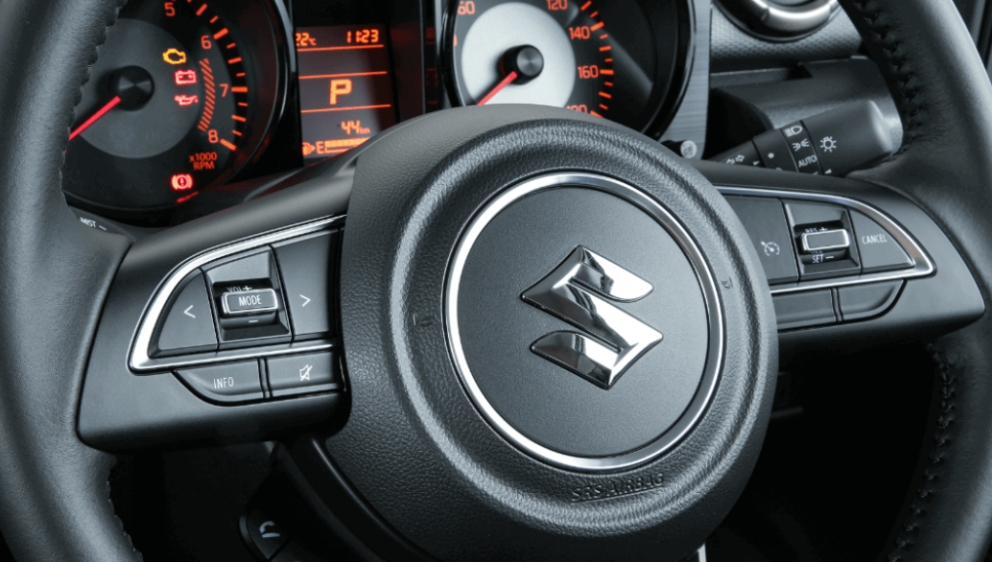
If you’ve driven a newer car recently, you’ve probably noticed how much has moved onto touchscreens. Heating, radio, even basic driving functions now live behind menus in the infotainment system.
Many brands and manufacturers, such as Ford, Volkswagen, Ferrari, and Tesla, have shifted towards touch-sensitive interfaces in their vehicle models, driven by cost-saving measures and advancements in technology. However, this industry-wide transition has raised concerns about usability and driver distraction, prompting manufacturers to reconsider their design choices and reintroduce physical buttons for critical functions.
Suzuki has taken a different approach. And at Gerry Caffrey Motors, we’re seeing more Irish drivers actively coming back to physical buttons for essential functions.
Physical Buttons vs Touchscreens on Irish Roads
Touchscreens look modern in a showroom. On real Irish roads, they can be a different story.
Between heavy rain, cold mornings, potholes, and busy Dublin traffic, touch-only controls often feel more distracting than helpful. We regularly hear from drivers who find them awkward to use while moving. For example, a driver trying to adjust settings like the climate control or radio using a touch screen may have to look away from the road and tap through several menus, which can be frustrating and unsafe compared to simply pressing a physical button for that function.
On the M50 or navigating South Dublin streets, being able to adjust the heating, air con, or radio volume without taking your eyes off the road really matters. These basic tasks are much easier to perform with physical controls than by navigating multiple touchscreen menus. Physical buttons are also more inclusive for elderly drivers and those with disabilities, who may find touchscreens challenging to use. Studies have shown that using touchscreens can significantly increase reaction times and driver distraction compared to physical buttons. Many drivers dislike touchscreens because they can lead to frustration when trying to perform simple functions while driving.
Why Suzuki Still Prioritizes Physical Controls
Suzuki hasn’t ignored technology — instead, they favour a design philosophy that prioritizes functionality and user-centric design. This approach is influenced by the Sho-Sho-Kei-Tan-Bi principle, which focuses on eliminating waste and ensuring efficient, practical design. Suzuki's 2025 design philosophy further emphasizes practical mobility, aiming to avoid the frustration drivers often experience with deep touchscreen menus. Rather than fully embracing the idea of replacing all physical buttons with touchscreens, Suzuki employs a hybrid approach: traditional analog dials are used for speedometers and tachometers, while physical controls are retained for essential functions. This hybrid interface leverages the strengths of both modalities, with touchscreens reserved for less critical tasks like navigation and entertainment.
Easier to use without looking
Physical buttons build muscle memory. For a person driving, tactile feedback from physical buttons is crucial and often missing from touchscreens. After a few drives, you instinctively know where everything is. That’s safer and far less distracting. Drivers can perform tasks like adjusting climate control or changing radio stations by feel alone, without losing sight of the road.
Better suited to Irish weather
Cold fingers, wet hands, fogged windows — physical buttons work every time. There’s no missed tap or delayed response, which makes a real difference during winter driving or when managing the cabin environment quickly.
Avoiding clutter for intuitive control
Suzuki’s use of physical buttons helps strike a balance by reducing clutter in the cabin. Instead of overwhelming drivers with complex touchscreen menus, essential controls remain clearly accessible. This streamlined interior design keeps the cabin practical and intuitive, enabling drivers to focus on driving without unnecessary distractions.
Fewer distractions, safer driving
Reducing screen interaction helps drivers stay focused. The issue of driver distraction has been highlighted by safety organizations as a growing concern in modern vehicles. The AA continues to highlight driver distraction as a key factor in Irish road safety. Matthew Avery from Euro NCAP has emphasized the importance of minimizing eyes-off-road time by promoting the use of separate, physical controls. In fact, Euro NCAP will require the return of physical buttons for critical operations in new cars from 2026 to improve driver safety. Physical switches and dials reduce the risk of driver distraction compared to touchscreens, which demand visual attention and can cause a mess of menus.
Suzuki’s Interior Design Philosophy and Model Collection
Suzuki interiors are designed to be intuitive and long-lasting, combining the best of both worlds.
You still get modern features like Apple CarPlay, Android Auto, and voice control for entertainment and navigation on your phones. But key driving functions remain tactile and simple, located on the centre console or steering wheel as physical buttons and switches. Suzuki uses a control board that blends physical and digital elements, ensuring usability and quick access to essential features. This approach helps Suzuki models maintain high safety ratings by keeping physical controls for critical functions. Suzuki’s design philosophy also aims for a 'timeless shape,' so vehicle interfaces remain functional and user-friendly throughout the car’s lifespan.
Suzuki’s current collection of vehicles, including the Vitara, Swift, and S-Cross, exemplify this philosophy by balancing modern technology with practical physical controls. This ensures drivers can quickly perform essential tasks even at speed, without distraction.
How This Works in Real Suzuki Models
Suzuki Vitara
The Suzuki Vitara is a popular choice for Dublin commuters and families.
It offers physical climate controls, clear steering wheel buttons, and a clean dashboard layout. The tactile satisfaction of using these physical controls is reminiscent of the classic experience of operating a CD player, providing intuitive feedback and ease of use. These robust controls are less affected by issues like sunlight glare or unresponsiveness from finger grease, unlike many modern touchscreens. These elements make it easy to manage essential functions like air con and volume without distraction. It’s ideal for city driving, school runs, and motorway trips alike.
Suzuki Swift
The Swift keeps things refreshingly simple.
Many drivers prefer buttons for their intuitive and tactile nature, finding them easier and safer to use than touchscreens. It’s lightweight, responsive, and easy to drive, making it a great option for new drivers or anyone who prefers straightforward controls over complicated screens. Suzuki employs a hybrid approach in the Swift, using traditional analog dials for the speedometer and tachometer alongside physical controls for essential functions. Its physical buttons for basic tasks like radio and heating controls enhance usability and reduce driver distraction.
Suzuki S-Cross
The Suzuki S-Cross blends SUV practicality with driver-friendly design.
With physical buttons for core functions, it’s well suited to mixed urban and rural driving, especially for drivers upgrading from older cars with traditional controls like dials and switches. For example, performing four tasks—such as adjusting the climate, tuning the radio, switching on the lights, and operating the wipers—is quicker and less distracting with physical buttons in the S-Cross compared to touchscreen controls.
Why Drivers Are Moving Back to Buttons
There’s a noticeable shift happening in the automotive industry.
We shouldn’t assume all drivers have the same preferences—physical buttons fit better into the lives of many people, offering tactile feedback and reducing distraction. Drivers who’ve lived with touchscreen-heavy cars are telling us they prefer physical buttons for essential functions. They find simpler, more reliable interiors easier to live with, especially when driving conditions demand quick, intuitive control.
Across the world, automotive design is shifting back to user-centric solutions. The reintroduction of physical buttons represents a newfound commitment to practicality and user-focused design.
Physical buttons age better, are easier to maintain, and reduce everyday frustration. This is especially important in the used car market, where intuitive controls help maintain long-term value.
The Safety and Usability Solution
Studies have shown that performing basic tasks such as adjusting climate control, changing radio stations, or managing volume takes significantly less time with physical buttons than with touchscreens. This reduction in task time lowers driver distraction and helps maintain focus on the road.
Imagine trying to adjust the heating or lights while driving on a busy motorway at speed. Physical buttons allow you to do this by feel, without needing to look away or navigate complicated menus — a clear safety advantage.
The combination of tactile feedback and muscle memory makes physical controls a preferred choice for many drivers, especially those who value safety and practicality.
New or Used Suzuki – Practical Either Way
Suzuki’s consistent interior design means both new and used models feel familiar and easy to use.
That helps with resale, trade-ins, and overall ownership costs — something Irish drivers are increasingly prioritizing. Designed for real Irish driving, Suzuki’s approach balances modern technology with practical usability.
Suzuki’s decision to keep physical buttons isn’t about avoiding progress. It’s about designing cars that work on real roads, in real weather, for real drivers.
If you want a car that’s intuitive, reliable, and easy to live with every day, this approach makes a lot of sense.