Why Are My Windows Fogging Up Constantly?
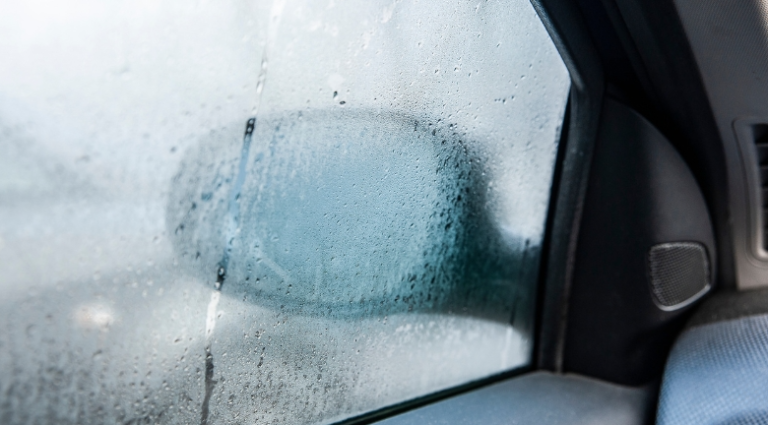
If you’ve ever jumped into your car on a damp Dublin morning and found the windows completely fogged, you’re not alone. This common issue is caused by window condensation, which occurs when warm air touches a cold surface like your car’s window glass. The temperature difference causes the moist air inside your car to reach its dew point temperature, leading to water droplets forming on the interior glass surface.
Let’s explore the main window condensation causes, how excessive moisture builds up, and the best ways to reduce condensation and stop condensation on windows effectively.
What Causes Car Windows to Fog Up? The Science Behind Window Condensation
Condensation on windows happens when warm, humid air inside your vehicle meets the cooler surface of the windows. The cooler air can’t hold as much water vapour, so it condenses into visible droplets. This is similar to exterior condensation seen on home windows but occurs on the inside of your car windows.
Key factors include:
- Short trips that don’t allow the car to warm up enough to evaporate moisture.
- Poor air circulation and ventilation within the vehicle.
- Moisture from wet clothes, umbrellas, and even your breath trapped inside.
- Ireland’s damp climate and high humidity levels, especially in winter.
Types of Window Condensation: Understanding the Different Forms
There are three main types of window condensation that can occur:
1. Internal Pane Condensation
This appears on the inside surface of your car or home windows. It is caused primarily by interior window condensation due to moist air meeting the cold glass surface inside. This type is generally a ventilation issue rather than a window fault.
2. External Pane Condensation
This occurs on the outside of windows and is usually a sign that your windows are extremely energy efficient. The external air cools the outer glass surface, causing moisture in the air to condense there. This is a natural phenomenon and not a cause for concern.
3. Condensation Between Glass Panes
This type happens when the seal around double or triple pane windows fails, allowing moisture to enter the sealed unit. It causes fogging or misting that cannot be wiped away and indicates a fault with the sealed unit requiring repair or replacement.
Why Is Window Condensation Worse in Ireland (Especially Dublin)?
The Irish weather creates ideal conditions for internal condensation issues to occur. Frequent rain, cool temperatures, and high indoor humidity mean the temperature difference between the warm air inside your car and the cold windows is often significant, increasing condensation risk.
City drivers in areas like Terenure, Templeogue, or the M50 often face this problem more due to short journeys and limited airflow.
Common Reasons Your Car Windows Stay Foggy
1. Damp Interiors and Drying Clothes Indoors
Wet items inside your car increase air moisture, leading to excessive condensation. Just like drying clothes indoors at home raises humidity levels, damp interiors cause condensation on the inside of windows.
2. Faulty or Underused Air Conditioning and Extractor Fans
Your car’s air conditioning and ventilation system help remove excess moisture. If these systems are faulty or underused, condensation forming becomes more likely.
3. Blocked Cabin Air Filter and Poor Ventilation
A clogged filter restricts airflow, reducing adequate ventilation and trapping stale air inside, worsening interior condensation.
4. Poor Sealing and Older Cars
Older or poorly maintained vehicles may have gaps in seals or window vents that don’t work properly, allowing moisture to build up.
Effects of Window Condensation: Why It Matters
Condensation isn’t just an annoyance; it can lead to serious problems such as:
- Unsightly limescale buildup on glass panes and window sills.
- Development of damp patches and damp walls near windows, leading to peeling wallpaper and structural damage.
- Damage to wooden window frames and wooden frames in cars and homes, causing warping, rot, or peeling paint.
- Mould growth on windows, frames, and nearby surfaces, which can cause health issues like asthma and allergies.
How to Stop Your Car Windows Fogging Up: Effective Solutions
Use Air Conditioning Year-Round
Running your air conditioning system helps lower indoor humidity by removing moist air, even in winter months.
Open Windows and Window Vents
Briefly opening windows or window vents improves air circulation, balancing air temperature and reducing condensation.
Remove Damp Items and Dry Out Your Car
Avoid leaving wet clothes or umbrellas inside. Use moisture absorbers or a refrigerant dehumidifier to reduce excess moisture.
Replace Cabin Air Filters Regularly
Clean filters maintain good airflow and help prevent condensation worse conditions.
Clean Windscreens and Window Frames
Dirt and residue on window frames and glass attract moisture. Regular cleaning helps reduce surface condensation and prevents musty smell.
Preventing Window Condensation in Your Home
To reduce window condensation causes at home, consider these steps:
- Regularly wipe condensation from windows to prevent mould growth and damage.
- Use trickle vents and ensure air bricks are unblocked to promote steady ventilation.
- Maintain a consistent indoor temperature to avoid low internal room temperatures that create cold surfaces prone to condensation.
- Open windows regularly to exchange moist indoor air with drier air outside.
- Keep furniture away from external walls to improve airflow and prevent cold glass surfaces from trapping moisture.
- Avoid drying clothes indoors or use well-ventilated areas to prevent excess moisture from a tumble dryer.
- Use extractor fans in kitchens and bathrooms to remove moisture during cooking and showering.
- Improve window insulation by upgrading to double glazed windows or triple pane windows to keep the interior glass surface warmer.
Final Thoughts
Window condensation causes are mainly linked to excess moisture, poor ventilation, and temperature differences. By understanding these factors and applying practical solutions—like using air conditioning, improving airflow, upgrading to double glazing, and removing dampness—you can significantly reduce condensation and enjoy clearer, safer driving and a healthier home environment in Ireland’s damp climate.
Thinking about upgrading your vehicle? Visit Gerry Caffrey Motors in Terenure, Dublin 6W, for Suzuki models designed to handle Irish weather with ease and advanced ventilation features.