When Should You Replace Your Tyres? A Guide for Irish Drivers
Tyres are one of the most important safety components on your car, yet they’re often the most overlooked. On Irish roads — especially around Dublin — wet weather, potholes, and constant stop-start traffic can wear tyres faster than many drivers realise.
Whether you’re commuting through Terenure, driving the M50, or preparing your car for the NCT, knowing when to replace tyres is essential for safety, performance, and legal compliance.
In our experience at Gerry Caffrey Motors, many drivers only think about tyres when they fail the NCT or when grip starts to feel poor in heavy rain. Ideally, you should replace car tyres well before that point.
Why Tyre Condition Matters on Irish Roads
Ireland’s driving conditions are tough on tyres.
Frequent rain, uneven road surfaces, and temperature changes all affect tyre wear. Poor tyres can increase braking distance, reduce grip, and make aquaplaning far more likely.
For drivers of modern vehicles like the Suzuki Vitara, Suzuki Swift, or Suzuki S-Cross, tyres play a major role in how the car handles, especially with modern safety systems such as traction control and emergency braking.
When tyres wear down, these systems can’t perform as effectively, putting all road users at risk.
The Legal Tyre Tread Depth in Ireland
According to Irish regulations, tyres must have a minimum tread depth of 1.6mm across the central three-quarters of the tyre.
This legal requirement is enforced during the NCT and by Garda road checks.
According to AA Ireland, tyres below this legal limit significantly increase stopping distances in wet conditions. Driving on illegal tyres can lead to penalty points, fines, or a failed NCT.
Most tyre experts recommend replacing tyres before they reach 1.6mm, ideally when the tread depth falls to around 3mm for safer wet-weather performance.
How to Check Your Tyres: Tools and Tips
Regularly checking your tyres is essential to prolong tyre life and ensure road safety.
A tread depth gauge is a simple and accurate tool to measure tread depth across the tyre. Many tyres also have built-in tread wear indicators, which become visible when tread reaches the minimum legal limit.
Perform a €1 coin test by inserting the coin into the tread grooves; if the gold rim is visible, your tread may be too low. This quick test helps you know exactly when to replace your tyres.
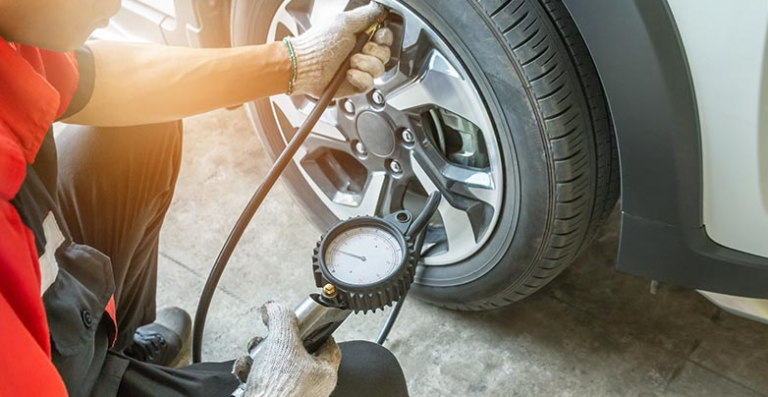
Check your tyre pressure monthly using a reliable gauge, as both under-inflated and over inflated tyres can cause premature wear, reduce fuel efficiency, and lead to tyre failure.
5 Signs It’s Time to Replace Your Tyres
Even if your tread depth looks acceptable, other warning signs might indicate your tyres are nearing the end of their tyre lifespan.
1. Low Tread Depth
This is the most obvious sign.
If the tread grooves are shallow, your tyres won’t disperse water properly. That’s when aquaplaning becomes a real risk — something Irish drivers experience often during heavy rain.
2. Uneven Tyre Wear
Tyres should wear evenly across their surface.
If you notice uneven wear, such as more wear on the inside or outside edges, it could indicate:
- Problems with the vehicle's suspension
- Poor tyre pressure
- Incorrect wheel alignment
Uneven wear can reduce grip and increase the risk of further damage and tyre failure.
3. Cracks or Bulges in the Sidewall
Visible damage such as cracks, cuts, or bulges are serious warning signs.
Bulges often indicate internal structural damage. This type of tyre failure can happen suddenly, especially at high speeds on motorways like the M50.
If you notice this, replace the tyre immediately to avoid accidents.
4. Your Car Feels Less Stable or Vibrates
If your car suddenly feels less stable in corners or struggles to grip in wet weather, worn or unbalanced tyres may be the cause.
Vibration while driving can also indicate tyre problems or wheel alignment issues that require inspection and possibly replacement.
5. Your Tyres Are More Than 5–6 Years Old
Even if the tread looks fine, tyres naturally degrade over time as the rubber hardens, reducing grip and flexibility.
Many manufacturers recommend replacing tyres after six years, regardless of mileage.
Tyres older than six years should be closely checked for signs of cracking or dryness, especially if the car is parked outside for long periods.
How Irish Weather Accelerates Tyre Wear
Ireland’s climate is a major factor in tyre longevity.
Wet roads increase friction, and cold conditions harden tyre rubber. Meanwhile, summer heat softens tyres, which can increase wear during long motorway drives.
Urban driving around Dublin — with frequent braking, traffic lights, and roundabouts — also causes tyres to wear faster than steady motorway driving.
The winter months especially demand tyres designed for grip and safety, making winter tyres or seasonal tyres a wise choice for many drivers.
Preparing for the NCT: What to Know About Tyres
Tyres are one of the most common reasons cars fail the NCT.
The test checks:
- Matching tyres on the same axle (same size and tread pattern)
- Tyre condition (no visible damage like cuts or bulges)
- Tread depth (must meet the legal limit of 1.6mm)
Tyres older than six years may receive a pass advisory note to alert you to potential risks, even if they pass the test.
Failing on tyres is avoidable and often one of the cheapest fixes compared with other repairs.
Choosing the Right Tyres for Your Car
Not all tyres are equal.
When replacing tyres, consider:
- Budget vs longevity
- Weather conditions (consider winter tyres or seasonal tyres for Irish winters)
- Vehicle type and vehicle's suspension
- Driving style and driving habits
UV-style vehicles like the Vitara or S-Cross benefit from tyres designed for stability and grip, especially in wet conditions.
All season tyres are a popular choice for many Irish drivers, offering good performance year-round without needing seasonal changes.
Look for tyres with a high wet-grip rating to improve safety on Ireland’s rainy roads.
Tyres with reinforced sidewalls provide better resistance to cuts and damage, especially on rough or rural roads.
Refer to the EU tyre label for details on fuel efficiency, wet grip, and noise levels to select the best tyres suited to your requirements.
Run Flat Tyres: What You Need to Know
Run flat tyres allow you to drive for a limited distance after a puncture, but they may wear differently and have specific replacement requirements.
If you have run flat tyres, consult your vehicle manufacturer or tyre professional about when to replace them and whether you can switch to standard tyres.
Tyre Maintenance Tips to Make Them Last Longer
Replacing tyres isn’t cheap, so it’s worth maximising their lifespan.
A few simple habits help:
- Keep an eye on tyre age and condition, replacing older tyres as needed.
- Get wheel alignment and balancing checked yearly.
- Avoid hitting potholes and kerbs to protect tyre structure.
- Rotate tyres regularly to ensure even wear across all four wheels.
- Check tyre pressure monthly and adjust when carrying heavy loads.
Driving on under-inflated tyres can increase fuel costs and lead to faster wear.
Spare Tyres and Emergency Preparedness
Many vehicles no longer come with a full-size spare tyre or spare wheel.
Instead, some have a space saver or emergency tyre sealant kit.
If you have a spare, ensure it’s in good shape and properly inflated.
Having the right tools and a spare tyre can be crucial in emergencies.
Tyres and Resale Value
If you're thinking about trading in your car, tyre condition matters more than many drivers realise.
Cars with worn or mismatched tyres often lose value during appraisal because the dealer must replace them before resale.
At Gerry Caffrey Motors, we often see vehicles where fresh tyres make a noticeable difference in trade-in value and driving feel.
If you're considering an upgrade, many of our vehicles come fully inspected and ready for Irish roads.
Understanding Tyre Age and How Long Tyres Last
Tyre age is just as important as tread depth when deciding when to replace tyres. Even if your tyres have plenty of tread, the rubber compounds degrade over time due to exposure to heat, sunlight, and environmental factors.
Most manufacturers recommend replacing tyres every six to ten years, regardless of tread wear, to avoid tyre failure caused by rubber hardening and cracking.
You can determine the age of your tyres by checking the 4-digit DOT code on the sidewall. For example, a code of "3020" means the tyre was manufactured in the 30th week of 2020.
Regularly inspecting tyres older than five years for signs of cracking or dryness is essential, especially if the vehicle is parked outdoors for extended periods.
Simple Tests to Know When to Replace Your Tyres
Besides using a tread depth gauge, there are practical tests you can perform at home to check your tyres:
The Penny Test: Similar to the €1 coin test, insert a penny head-first into the tread. If the top of Lincoln’s head is visible, the tread is below 2/32" (approximately 1.6mm), which is the legal minimum in Ireland.
The €1 Coin Test: Insert a €1 coin into the tyre tread grooves. If the gold rim is visible, your tread depth is likely below 3mm, and it's time to consider replacement for safer wet-weather performance.
When to Replace Tyres on New Cars
Even new cars need regular tyre checks.
Tyres can degrade over time, so even if your car is new, monitor tread depth and tyre condition.
Manufacturers’ recommendations for tyre replacement apply regardless of vehicle age.
Keeping tyres in good condition helps maintain the vehicle’s performance and safety features.
Thinking About Upgrading Your Car?
If your tyres are worn and your car is approaching the NCT, it might also be the right time to consider an upgrade.
At Gerry Caffrey Motors, we specialise in high-quality new and used vehicles, including the latest Suzuki models, with competitive finance options available.
Thinking about upgrading to a Suzuki? Visit Gerry Caffrey Motors in Terenure, Dublin 6W — our team will be happy to help you find the right car for Irish roads.