What Does a Timing Belt Do and When Should It Be Changed?
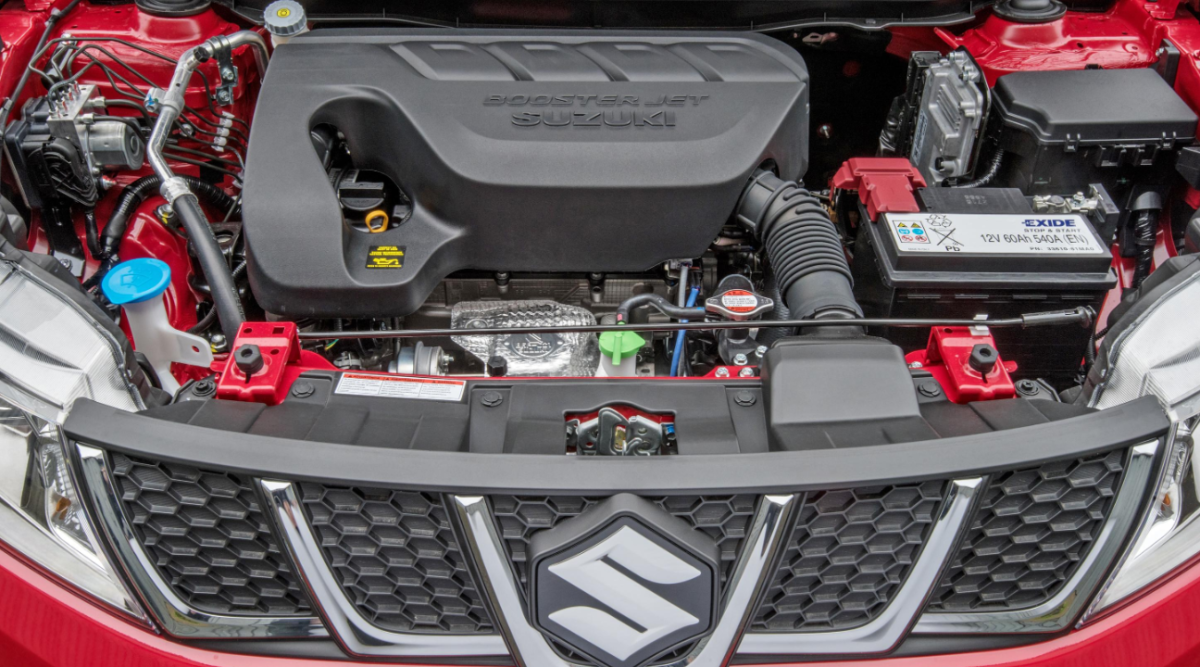
If you’re running a car around Dublin—whether it’s the school run in Terenure or a commute across the M50—your engine relies on one small but critical component: the timing belt.
It’s not something most drivers think about until there’s a problem. And by then, it can be costly.
Let’s break it down in plain English.
What Does a Timing Belt Do?
The timing belt function is essential for your vehicle's engine. This rubber timing belt connects the crankshaft and camshaft, ensuring the engine’s valves open and close at exactly the right moment during each cycle. This precise timing controls the valve train, which regulates the intake of fuel and air and the exhaust of gases, key components for the internal combustion engine to run efficiently.
In simple terms:
- It prevents serious damage to the car's engine by avoiding valve and piston collisions
- It keeps everything moving in harmony with precise timing
- It controls engine timing and rotation of pulleys
Typically made of durable rubber reinforced with fibers, timing belts withstand wear and tear, but they are subject to degradation over time due to heat and contact with oil or coolant leaks. A worn timing belt can cause timing belt failure, resulting in significant damage to the vehicle.
Without it, your engine simply won’t run properly—and in most cases, it won’t run at all.
In our experience with customers across South Dublin, most drivers don’t notice any issue with the timing belt… until it fails. That’s why preventative maintenance and adhering to the replacement schedule is key.
Why It’s So Important on Irish Roads
Driving in Ireland brings its own challenges for rubber timing belts:
- Short journeys don’t fully warm the engine, accelerating wear and tear
- Damp, cold weather affects the belt’s inner surface
- Stop-start traffic in Dublin city increases wear
All of these can contribute to potential issues that may lead to a failing timing belt.
We often see cars coming in for trade-ins where the timing belt is overdue—something that can impact resale value and even NCT readiness.
When to Replace a Timing Belt
Timing Belt Replacement Interval
Most manufacturers recommend replacing the timing belt every 60,000 to 100,000 km or every 4 to 6 years, whichever comes first. This replacement schedule helps avoid serious damage caused by a broken timing belt.
However, it varies depending on the make and model.
For example:
- Always check your owner’s manual or vehicle's service history to confirm.
- Suzuki models like the Vitara and S-Cross often use timing chains, which last longer and require less frequent replacement, but some earlier or alternative engines may still use belts.
If you’re unsure, it’s worth getting it checked during routine servicing at a trusted garage.
Signs of a Bad Timing Belt
Timing belts don’t always give much warning, but there are a few warning signs to watch for:
- Loss of voltage or tension leading to slippage
- Visible cracks or tears on the belt’s inner surface
- Oil leaking from the front of the motor, which can degrade the belt’s surface
- Difficulty starting the car as the belt slips on the camshaft
- Engine misfiring or loss of power while driving
- Rattling noise or ticking sounds from the engine due to worn teeth
In most cases, by the time symptoms appear, the belt is already worn or failing. If a timing belt breaks while driving, especially in interference engines common in modern cars, it can cause serious damage like bent valves and damaged pistons, resulting in costly repairs.
Timing Belt vs Serpentine Belt
This is a common point of confusion.
Timing Belt
- Critical for engine operation and avoiding serious damage
- Controls valve timing by synchronizing the cam belt and crankshaft rotation
- Internal engine component essential for precise timing
Serpentine Belt
- Easier and cheaper to replace; failure usually doesn’t cause engine damage
- Powers accessories like alternator, air conditioning, and power steering
- External belt
Both are important, but the timing belt is far more critical. If a serpentine belt fails, you’ll likely still be able to stop safely. If a timing belt fails, it’s a different story — the brake pedal may become harder to press due to loss of power assist.
How It Affects Buying or Selling a Car
If you’re considering a used car in Dublin, always ask:
- Is there a complete vehicle's service history documenting this?
- Has the timing belt been replaced according to the replacement schedule?
At Gerry Caffrey Motors, we carefully check service histories on all our used stock to ensure peace of mind for buyers.
If you’re trading in your current car, having proof of timing belt replacement can increase its value and avoid potential issues.
Suzuki Reliability and Timing Systems
One reason many Dublin drivers choose Suzuki is reliability.
Modern Suzuki models—like the Swift, Vitara, and S-Cross—often use timing chains instead of belts. That means:
- Better durability for city driving and stop-start conditions
- Lower long-term maintenance costs
- Less frequent replacement
Timing Belt Replacement Cost
The price for a new timing belt replacement can vary depending on the vehicle make and model, typically ranging from around £250 to over £500. This cost usually includes the replacement of the water pump and tensioners, which are key components often serviced together to prevent future timing belt failure.
Keeping Your Car NCT-Ready
While the timing belt itself isn’t directly checked during the NCT, engine performance is.
A worn timing belt can affect:
- Overall reliability and safety
- Engine efficiency and fuel consumption
- Emissions due to improper fuel combustion
Staying on top of maintenance helps avoid unexpected failures and keeps your car roadworthy under Irish standards.
What To Do If Your Timing Belt Breaks
If your timing belt breaks while driving, the engine will stop immediately. You may notice:
- A brake pedal that requires more pressure to engage
- Heavier steering due to loss of power assist
If this happens, safely pull over and call a professional garage or breakdown service. Continuing to drive could cause serious damage.
Final Thoughts
Timing belts might be out of sight, but they shouldn’t be out of mind.
Replacing one at the right time is far cheaper than dealing with engine damage later.
In our experience, a simple check during routine servicing can save thousands—and a lot of stress on Dublin’s busy roads.
Thinking About an Upgrade?
If you’re driving an older car and maintenance costs are starting to stack up, it might be time to consider something newer and more reliable.
Thinking about upgrading to a Suzuki? Visit Gerry Caffrey Motors in Terenure, Dublin 6W.