Vehicle Fires on Motorways: Current Incidents and Road Closures
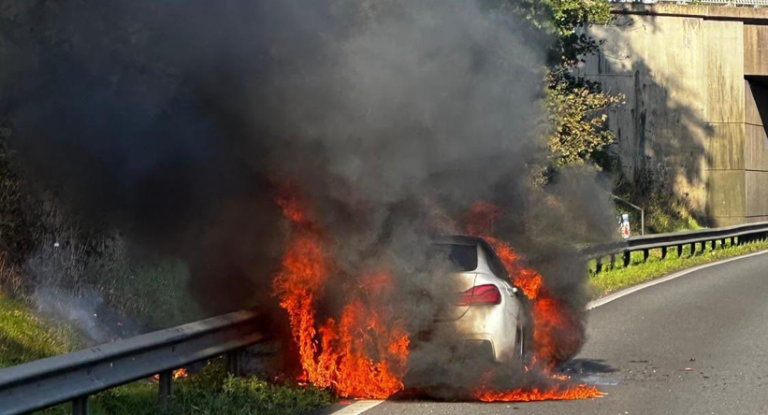
Vehicle fires on motorways are unfortunately a recurring issue here in Ireland. In recent weeks, there have been multiple incidents causing delays on the M50 and M7, particularly during peak hours in the morning. These car fires not only disrupt traffic but also pose serious safety risks for drivers and passengers alike, with the potential for even serious injury or worse.
Why Vehicle Fires Happen in Ireland
In our experience, vehicle fires often stem from mechanical or electric faults, engine overheating, or poorly maintained exhaust systems. The damp Irish weather doesn’t help—moisture can exacerbate corrosion in older vehicles. Drivers in South Dublin and surrounding counties should always check their vehicle’s maintenance status, especially if the NCT is due or if your Suzuki has recently been imported under Revenue rules.
We often see older Suzuki Swifts or Vitara models at risk when faults develop due to lack of servicing. Fraying electrical wires, worn fuel lines, and damaged insulation can increase the chance of a spontaneous fire breaking out. Keeping your vehicle serviced regularly and paying attention to any warning light on your dashboard can drastically reduce the risk of a fire.
Common Causes of Vehicle Fires on Motorways
Mechanical failures are responsible for roughly two thirds of vehicle fires, often related to friction heat from failed brakes, bearings, or poorly inflated tyres. Electrical faults caused by damaged or improperly installed wiring are also a significant contributor. Fuel leaks onto hot engine parts or the car's radiator can easily ignite and cause fully fledged fires. Even dust, debris, or fallen leaves caught near the catalytic converter can pose a potential fire hazard.
Avoid transporting unsealed gasoline cans or flammable aerosol canisters inside the passenger compartment, especially during hot weather, as these can increase fire risk. Additionally, poorly maintained cooling systems can cause engine fluids to reach ignition temperatures.
Dealing with False Alarms and Steam
It’s important to note that not all smoke or steam means a fire. The Dublin Fire Brigade spokesman confirms that false alarms are common, with steam from the car’s radiator or dust from safety airbags often mistaken for smoke. However, it’s always better to treat any signs as a potential fire until confirmed otherwise. If you notice smoke or flames while driving a moving vehicle, pull over safely and stop quickly.
Current Road Closures and Traffic Alerts
If you’re travelling on the M50, M7, or M1, it’s worth checking the latest alerts from AA Ireland before setting out. Vehicle fires often result in lane closures, detours, or full motorway shutdowns. For example, recent lorry fires on the A1 at Sprucefield and multiple incidents involving electric cars on the M5 have caused significant disruption.
For local road users around Dublin, these closures can add significant time to your journey. Emergency services, including the Dublin Fire Brigade and police, advise motorists to follow diversion routes and avoid the affected areas to stay safe.
How to Stay Safe on Irish Roads
Be cautious in wet weather: Irish rain increases risks for both skidding and mechanical faults, which can contribute to overheating and fires.
Follow NCT and product recall guidelines: Vehicles failing inspections or subject to recalls are more likely to experience mechanical issues that could lead to fire.
Check your vehicle regularly: Ensure brakes, tyres, and electrical systems are in top condition. Pay special attention to fraying electrical wires, damaged insulation, or signs of fuel line leaks.
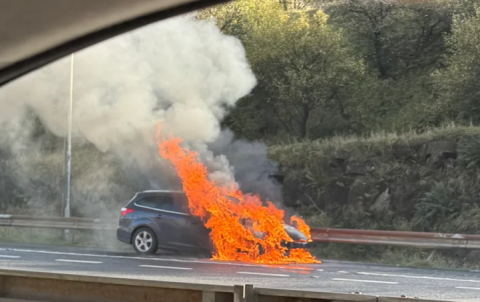
If you notice smoke, steam, or a warning light while driving, pull over safely to a safe place, turn off the engine, and exit the vehicle immediately. Do not delay leaving the vehicle, as the electrical system can be compromised quickly. If it’s safe, you may use a small external fire extinguisher to tackle minor flames, but never put yourself at risk.
When evacuating, exit via the side furthest from traffic and move at least 30-45 meters away from the vehicle, ideally behind a crash barrier if available. Do not open the bonnet if you suspect a fire underneath, as introducing oxygen can worsen it. Always inform emergency services about the type of vehicle and any hazardous cargo you may be carrying.
Electric Vehicles and Fire Risks
Electric cars and hybrid vehicles present unique challenges. Lithium ion batteries can catch fire if damaged or overheated, and these fires are notoriously difficult to extinguish. They can suddenly reignite hours after the initial fire has been tackled, requiring emergency services to monitor the scene carefully.
The Dublin Fire Brigade spokesman highlights that electric vehicle fires release toxic gases and require different firefighting techniques compared to traditional car fires. If you’re carrying an electric vehicle, always inform emergency responders so they can prepare accordingly.
Suzuki Models and Vehicle Safety
At Gerry Caffrey Motors, we specialise in Suzuki vehicles built for reliability. Models like the Suzuki Vitara, Swift, and S-Cross undergo rigorous checks before reaching our showroom, whether new or used. In our experience, premium stock with a full service history significantly reduces the chance of unexpected breakdowns or fires.
Thinking about upgrading? Our finance options make it easy to move into a newer, safer Suzuki model. We also offer trade-ins, so you can part with your old car hassle-free.
Keep Your Vehicle in Top Condition
Regular maintenance, adherence to VRT and Revenue rules, and checking your NCT status are simple steps that can save lives. At Gerry Caffrey Motors, we often see the difference a well-maintained Suzuki can make during emergency situations.
Remember, a car can be replaced, but you cannot. Always pull over to a safe place, get behind a crash barrier if available, and stay well away from the vehicle if you suspect a fire. Avoid returning to the vehicle for any reason once evacuated.
Understanding the Risks of Vehicle Fires on Motorways
Vehicle fires on motorways can escalate quickly due to the high speeds and traffic density. Fires attributed to mechanical or electric faults are the most common, with roughly three quarters of roadside fires caused by such issues. Being secured inside a vehicle when a fire breaks out can be terrifying, so awareness and preparedness are key.
The Importance of Prompt Action in Case Your Car Catches Fire
If your car catches fire, stop immediately in a safe place, turn off the engine to reduce fuel supply, and evacuate all passengers swiftly. Do not open windows or doors unnecessarily, as this can feed oxygen to the fire. Remember that smoke inhalation is a major cause of deaths in vehicle fires, so getting out quickly is critical.
Dealing with the Aftermath and Reporting
Once at a safe distance, call emergency services and provide clear information about your location using motorway signs or GPS. Inform them if your vehicle carries any hazardous materials or if it is an electric vehicle, as this affects firefighting tactics. Avoid returning to the vehicle, and follow instructions from emergency responders.
Considering an upgrade to a Suzuki? Drop by Gerry Caffrey Motors in Terenure, Dublin 6W, to browse our selection of new and pre-owned vehicles. You can also explore our finance options and premium Suzuki models online before your visit.