Used Cars With Active Noise Cancellation: What Should Buyers Test?
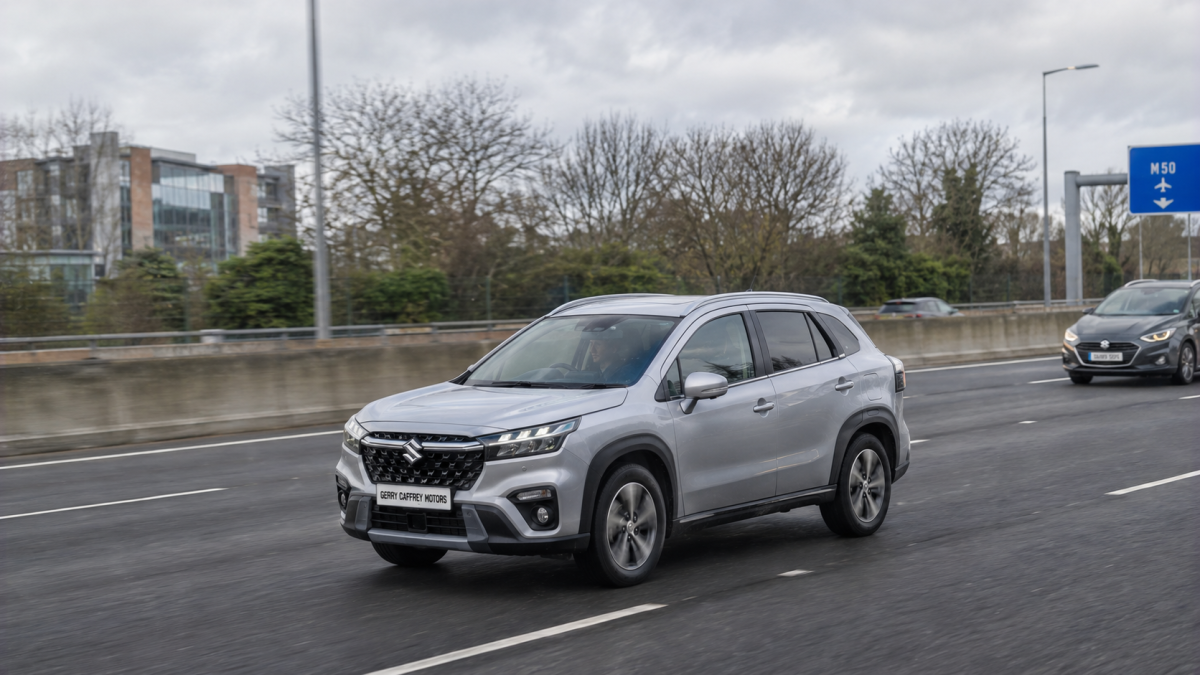
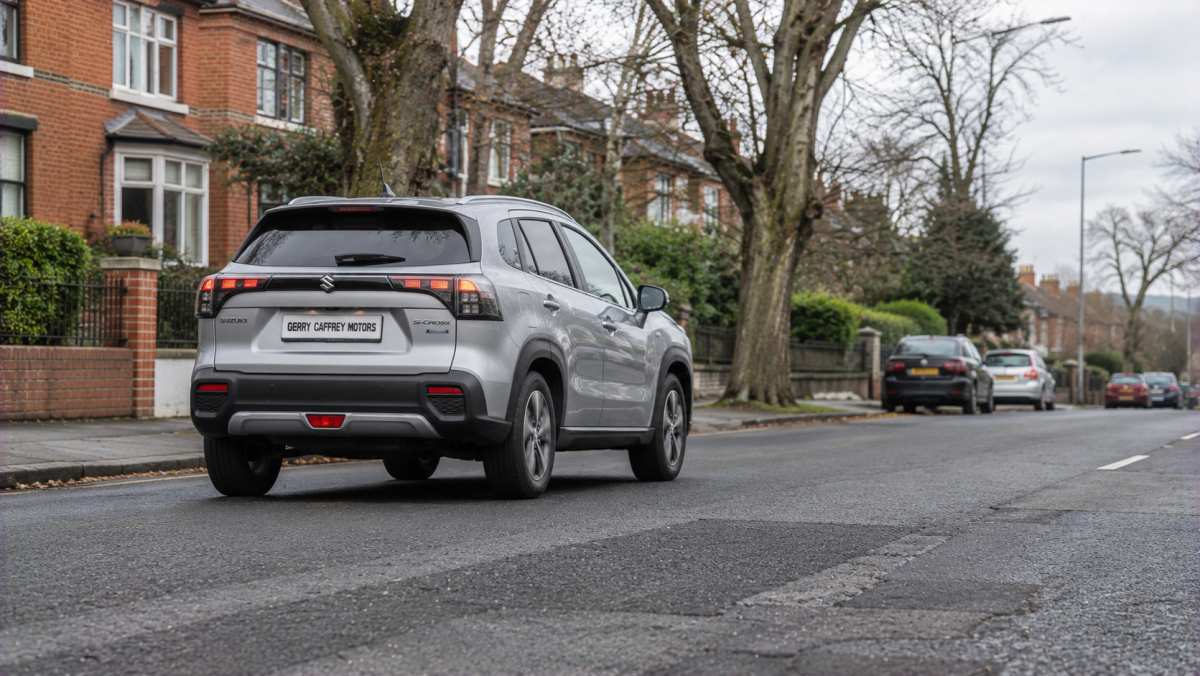
Buying a used car isn't just about mileage, fuel economy or how it looks on the driveway. Cabin comfort matters too, especially if you're regularly driving through Dublin traffic, travelling on the M50 or heading across Ireland on longer journeys.
That's where active noise cancellation (ANC) comes in. This clever technology can make a car feel quieter and more refined by reducing certain unwanted sounds inside the vehicle cabin.
But how can you tell whether it's working properly in a second-hand car? And is it worth paying extra for?
At Gerry Caffrey Motors in Terenure, Dublin 6W, we know that a comfortable driving experience can be just as important as performance or practicality. Here's what to check before buying a used car with active noise cancellation.
What Is Active Noise Cancellation in a Car?
Active noise cancellation is a technology designed to reduce certain unwanted sounds inside a vehicle.
Unlike traditional soundproofing, which relies on insulation materials, acoustic glass and door seals, ANC uses microphones inside the cabin, electronic processing and the car's audio system to counter specific noise frequencies.
The system detects unwanted outside noise and generates an opposing sound wave to help reduce what passengers hear.
How Does Car Cabin Noise Technology Work?
Most automotive ANC systems use a combination of microphones, a control module and speakers.
Depending on the vehicle, the technology may target low-frequency engine sounds, engine harmonic cancellation, road rumble or other repetitive noises.
Bose's Engine Harmonic Cancellation technology, which first appeared in 2011 models such as the Cadillac Escalade, is a notable example of ANC. It uses microphones and data from the engine to cancel specific engine noise harmonics.
It's important to understand that not every system works in the same way. Some focus mainly on engine noise, while more advanced systems can also help reduce road noise and noise from wheel arches.
ANC won't eliminate every sound. Wind noise, rattles and sudden bumps can still be noticeable, even in a car equipped with the technology.
Why Does Cabin Noise Matter on Irish Roads?
Irish driving conditions can reveal comfort issues that might not appear during a quick spin around a dealership.
One minute you're travelling along a smooth stretch of motorway. The next, you're dealing with uneven suburban roads, patched surfaces, potholes or heavy rain.
For drivers in South Dublin, cabin refinement can make a significant reduction in fatigue during daily journeys through Terenure, Rathfarnham, Templeogue and surrounding areas.
Motorway Driving and Road Noise
At motorway speeds, tyre noise and wind noise become more noticeable.
On routes such as the M50, M7 and N11, good cabin insulation helps make longer journeys less tiring. An effective ANC system may also reduce some of the lower-frequency noise that builds up at steady speeds, helping to reduce driver fatigue on long drives.
Wet Weather and Rough Surfaces
Irish weather adds another consideration.
Wet roads can produce extra tyre spray noise, while rough tarmac can create a persistent rumble. Active noise cancellation may reduce some of that low-frequency sound, but premium car sound insulation and suitable tyres remain important.
Professional soundproofing, such as DrArtex materials, can reduce noise by up to 70%, significantly improving cabin quietness and comfort.
That's why a proper test drive should include more than one type of road surface and examine how road conditions affect cabin noise.
Used Cars With Active Noise Cancellation: What Should Buyers Test?
If you're considering a vehicle equipped with used car active noise cancellation, don't assume the system is working simply because it's listed in the specification.
A careful used car inspection should assess how the car sounds, how the technology behaves and whether there are any underlying mechanical issues.
1. Test the Car at Different Speeds
Start with a short drive through town, then move onto a faster road where it's safe and legal to do so.
Pay attention to how the cabin sounds during acceleration, steady cruising on the highway and deceleration.
A functioning ANC system may make low-frequency noise less intrusive, but the effect can be subtle. Don't expect complete silence.
2. Listen for Unusual Humming or Booming
One warning sign worth investigating is an unexpected low-frequency hum, drone or booming sound.
This doesn't automatically mean the ANC system is faulty. Tyres, wheel bearings, exhaust components and other mechanical issues, including metal parts, can produce similar symptoms.
If the sound changes dramatically with speed or engine load, ask the dealer to investigate before you buy.
3. Check the Audio System
Because many ANC systems work through the vehicle's speakers, audio equipment deserves attention.
Check that the speakers work properly, the sound is clear and there are no obvious distortions.
If the vehicle has an ANC setting that can be switched on and off, compare both modes under similar driving conditions. Some systems operate automatically and don't provide a manual control.
Consider how music, radio or headphones interact with the ANC system during your test drive.
4. Inspect the Microphones and Interior Trim
Some systems use microphones mounted in the roof lining or other areas of the cabin.
Look for signs of damaged interior trim, previous water leaks or poorly completed repairs.
If the vehicle has had aftermarket audio equipment fitted, ask whether it could interfere with the original noise cancellation system. Microphones in ANC systems may misinterpret new audio frequencies as noise when aftermarket systems are used.
5. Test the Car on Rougher Roads
A smooth road can make almost any modern car feel refined.
Try a safe, representative route with different road surfaces, including the type of roads you'll use regularly.
Listen for excessive tyre roar, dashboard rattles, suspension knocks, vibrations through the steering wheel or noise coming from the floor area.
Remember, ANC isn't designed to hide mechanical faults.
6. Check Tyre Condition and Matching
Tyres have a major influence on cabin noise.
Different tyre brands, tread patterns, inflation pressures and levels of wear can affect how much road noise enters the vehicle.
During your used car inspection, check tyre condition, tread depth (legal minimum is 1.6mm), pressure and whether the fitted tyres meet the manufacturer's specifications.
Inspect tyres for uneven wear, cuts, or bulges, which can increase noise and affect safety.
A noisy set of tyres can make an otherwise comfortable car feel considerably less refined and may need replacement.
7. Check the Vehicle's Service and Repair History
Ask for the service history and details of any significant repairs.
If the car has previously experienced electrical faults, water ingress or audio-system problems, it's worth checking whether those issues were fully resolved.
For a vehicle advertised with ANC, confirm the feature is fitted to that exact model, year and trim level rather than relying on a generic online specification.
Also check for oil or coolant leaks under the bonnet, as these can indicate underlying mechanical problems.
A cold start can reveal engine issues not visible when warm, so consider inspecting the vehicle before the engine is fully warmed up.
Active Noise Cancellation vs Premium Car Sound Insulation
ANC and traditional sound insulation both contribute to cabin comfort, but they work differently.
Active noise cancellation is the only job of the system: to reduce certain low-frequency sounds. It uses microphones inside the cabin, electronic processing and speakers to reduce low-frequency noise, including engine harmonic cancellation and road rumble.
Passive sound insulation relies on physical materials such as acoustic glass, door seals, carpets and insulation panels. These help reduce a broader range of external sounds, including wind and road noise, without added mass that can affect vehicle efficiency.
Passive sound insulation takes precedence over ANC for good cabin noise reduction; the best ANC systems work in conjunction with these passive measures to maximize comfort.
MICHELIN Acoustic Technology, for example, can reduce interior noise by approximately 20% by using specially designed foam inside tyres to muffle road vibrations.
Active Road Noise Cancellation systems can lower cabin noise by the equivalent of turning down the in-car sound system by four steps, significantly enhancing the driving experience.
Professional soundproofing can reduce road noise and vibrations significantly, making the cabin quieter and more comfortable.
A well-insulated car without ANC can sometimes feel quieter than a poorly maintained vehicle equipped with the technology.
For used car buyers, the overall condition and refinement of the vehicle matter more than one feature on the specification sheet.
Are Luxury Used Cars in Dublin Worth Considering for Cabin Comfort?
If you're comparing luxury used cars in Dublin, cabin refinement is often one of the benefits that makes premium models appealing.
Some higher-specification vehicles offer acoustic glazing, additional insulation, upgraded audio systems and active noise cancellation.
However, these features vary by manufacturer, model year and trim.
A premium badge doesn't guarantee a silent vehicle cabin, particularly if the car has worn tyres, damaged door seals or neglected suspension components.
In our experience, it's better to judge a car by how it drives on real Irish roads rather than assuming that a longer equipment list means greater comfort.
What About Suzuki Vitara, Swift and S-Cross Models?
Not every comfortable car needs active noise cancellation.
At Gerry Caffrey Motors, we encourage buyers to look at the complete driving experience, including seating comfort, suspension, visibility, cabin layout and everyday practicality.
Suzuki offers several models worth considering if you're looking for a comfortable, practical car for Dublin driving.
Suzuki Vitara
The Suzuki Vitara is worth considering if you want an SUV driving position, practical interior space and versatility for commuting and weekend journeys.
During a test drive, pay attention to tyre noise, suspension comfort and how the cabin feels on different road surfaces.
Suzuki Swift
The Suzuki Swift is a practical example for city driving, parking and navigating busy South Dublin streets.
Its compact dimensions make it particularly suitable for urban journeys. If you regularly travel on the highway, assess cabin noise at higher speeds as well as low-speed comfort.
Suzuki S-Cross
The Suzuki S-Cross offers crossover practicality for drivers who regularly carry passengers or luggage.
Check cabin refinement, seating support and ride quality on long drives. These everyday comfort factors can be just as important as advanced sound technology.
These Suzuki models shouldn't automatically be assumed to include ANC. Equipment varies, and buyers should check the exact specification of the vehicle they're considering.
You can explore available Suzuki models and premium used vehicles at Gerry Caffrey Motors in Terenure.
New vs Used Cars: Which Offers Better Comfort and Value?
A newer vehicle may offer updated technology, improved refinement and the reassurance of a manufacturer's warranty.
However, a well-maintained used car can provide excellent comfort for a lower initial purchase price.
We often see buyers focusing on one headline feature, only to notice that seat comfort, tyre condition and suspension quality make a bigger difference during everyday driving.
When comparing new and used vehicles, consider the full ownership cost rather than just the asking price.
Finance can also influence your decision. Gerry Caffrey Motors offers information about Suzuki finance options, helping buyers explore the differences between purchasing a new model and choosing a quality used vehicle.
If you're upgrading, ask about a trade-in valuation for your current vehicle. The value of your existing car could help reduce the amount you need to pay or finance.
What Else Should You Check During a Used Car Inspection in Ireland?
Noise cancellation is only one part of assessing a second-hand vehicle.
Before making a purchase, make sure the car's condition, documentation and overall running costs meet your expectations.
NCT Status and Mechanical Condition
Check whether the vehicle has a valid NCT certificate where required, and review any available test history.
An NCT pass is useful, but it isn't a guarantee that every mechanical component is in perfect condition.
Pay particular attention to suspension, brakes, tyres and steering, especially if the car produces unusual noises on uneven surfaces.
VRT and Imported Used Cars
If you're considering an imported used vehicle, confirm its Irish registration status and whether the relevant taxes and documentation have been dealt with.
Revenue generally requires imported vehicles to be registered within 30 days of entering the State, subject to applicable exceptions. VRT is normally payable on registration, and some imports may also attract VAT or customs charges.
For the latest requirements, check Revenue's official guidance on Vehicle Registration Tax before purchasing an imported vehicle.
Service History and Ownership Records
A documented service history can help you understand how well a used car has been maintained.
Check the mileage history, previous ownership details and any records of accident repairs.
For vehicles with advanced electronic comfort systems, it's also worth asking whether diagnostic checks have identified any relevant faults.
Used Car Comfort Features Worth Checking Beyond ANC
Active noise cancellation isn't the only technology that can improve your driving experience.
Depending on the model and specification, useful comfort features may include:
- Acoustic glass and sound insulation: Can help reduce external noise without relying on electronic cancellation.
- Smartphone connectivity: Makes navigation and hands-free communication easier.
- Parking sensors and reversing cameras: Useful when navigating tight Dublin parking spaces.
- Adaptive cruise control: Can reduce driver workload on suitable motorway journeys.
- Heated seats: A welcome addition on cold winter mornings.
- Climate control: Helps maintain a comfortable cabin during changing Irish weather.
- Supportive, adjustable seating: Particularly valuable during longer commutes.
Rather than choosing a car based on a single feature, think about which equipment you'll genuinely use
Find a Comfortable Used Car at Gerry Caffrey Motors in Dublin
The best way to assess cabin comfort is to experience the vehicle yourself.
Whether you're looking at a premium used car, a practical Suzuki Swift or a versatile Vitara or S-Cross, pay attention to how the car feels on the roads you drive every day.
At Gerry Caffrey Motors, we believe choosing the right car means balancing comfort, practicality, value and confidence behind the wheel.
Thinking about upgrading? Visit Gerry Caffrey Motors in Terenure, Dublin 6W, explore our new and used car options, and ask about finance and trade-in possibilities. We'd be delighted to help you find a car that suits your lifestyle.