Used Car Shortage Ireland: Suzuki’s Role - A Small Brand Making a Big Impact
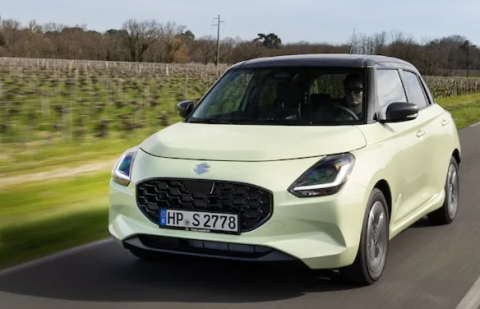
Ireland’s used car shortage has become a critical issue in the Irish car market, with 2024 pushing supply challenges to new extremes. Between Brexit restrictions, changes in Vehicle Registration Tax (VRT), and supply chain issues affecting new car production, the availability of quality second hand cars on Irish roads has tightened significantly. When the pandemic hit, it caused severe supply disruptions and market shortages, which have contributed to the ongoing scarcity of vehicles and rising prices. This used car shortage Ireland-wide is driving significant price inflation and increasing competition among buyers.
Yet one brand is quietly punching above its weight in this constrained market: Suzuki.
At Gerry Caffrey Motors in Terenure, we’ve had a front-row seat to how Suzuki’s presence—especially in Dublin and South Dublin—has shaped the used-car landscape amid these market dynamics.
Why Ireland’s Used-Car Shortage Isn’t Going Away
The shortage isn’t just headline talk—Irish drivers feel it deeply when they try to trade in or shop around for a vehicle. The supply and demand imbalance is influenced by several factors:
- The Irish market has become brand-loyal and value-focused, which affects consumer demand and availability of certain models.
- Supply chain issues and microchip production slowdowns have constrained new car registrations and new car sales, creating a ripple effect that reduces trade-ins of used cars.
- NCT delays and extended vehicle lifespans have kept older cars on the road longer, limiting turnover and dampening demand for newer used cars.
- Brexit restrictions continue to hamper used car imports from the UK, reducing the flow of affordable second hand cars into the Irish market and contributing to the annual increase in used car prices.
On the demand side, strong consumer demand—driven by the cost-of-living crisis and regional dependencies—continues to influence used car price inflation, as buyers compete for a limited pool of available vehicles.
This combination of factors continues to propel inflation in car prices, particularly in lower priced cars, making affordability a growing concern for many households who must give more careful consideration to their household budget perspective.
How Suzuki Became a Surprise Winner in a Tight Market
Suzuki isn’t the biggest brand in Ireland—but during this period of constrained supply and rising consumer demand, it’s been one of the most influential motor dealers’ choices.
1. Reliability That Keeps Cars on the Road
Suzuki drivers tend to hold onto their cars longer. Models like the Vitara, Swift, and S-Cross are known for low running costs, strong NCT pass rates, and excellent fuel economy—qualities that appeal to drivers across rural Ireland and urban areas alike.
Because of this reliability, Suzuki vehicles often don’t enter the second hand car market until owners are genuinely upgrading, which tightens supply further.
2. Value That Buyers Are Hunting For
With car prices persistently increasing across the Irish used car market, buyers want vehicles that feel worth the investment.
Suzuki delivers that in spades:
- Strong resale values that reflect the brand’s reputation
- Hybrid options that provide electric vehicle benefits without premium price tags
- Sensible engines ideal for Dublin city traffic and rural roads
Market factors such as taxes, Brexit, and ongoing supply chain disruptions have significantly increased the cost and affected cars worth in Ireland, making Suzuki’s strong value proposition even more appealing to buyers.
This combination has made Suzuki one of the most requested brands on the used market at Gerry Caffrey Motors.
3. Lower Ownership Costs Matter More
With rising insurance costs, VRT scrutiny, and fuel price increases, Irish drivers are more cost-savvy than ever.
Suzuki sits in a sweet spot—affordable tax bands, excellent real-world MPG, and fewer maintenance surprises. AA Ireland often highlights how smaller, lighter cars perform better on running costs—exactly where Suzuki shines. (External link: AA Ireland)
Why Used Suzukis Are Harder to Find
Demand for Suzuki models has grown faster than supply, especially for popular models:
- S-Cross demand has doubled, particularly among families in Dublin suburbs seeking hybrid efficiency
- Swift trade-ins are rare because owners are loyal and keep their cars longer
- Vitara stock moves almost as soon as it lands
On platforms like DoneDeal, the number of active ads for Suzuki models remains low compared to demand, reflecting limited market availability. Recent ad view trends show strong consumer interest, with high engagement on Suzuki listings indicating robust demand for these vehicles.
This dynamic exemplifies how Suzuki has become a quiet influencer in Ireland’s used car shortage—people want them, but fewer are trading them in.
New vs Used: What We’re Seeing at Gerry Caffrey Motors
At our Terenure dealership, we’re seeing a notable shift as shoppers who traditionally bought used are now considering new Suzuki models.
The price gap has narrowed, and finance options such as PCP and HP make new cars more accessible. These finance options also help make newer cars, including higher-spec used Suzukis, more attainable for buyers, broadening your choices and increasing affordability. New Suzukis come with:
- Modern safety tech ideal for busy Dublin commutes
- Excellent hybrid efficiency aligning with Ireland’s push toward electric vehicles
- 3-year warranty
Trade-ins Have Become More Valuable
If you own a Vitara, Swift, or S-Cross, you may be surprised at its current trade-in value. Because stock is tight, we’re overvaluing clean, well-maintained Suzukis—especially those that have sailed through the NCT.
What Suzuki Models Are Doing Exceptionally Well in Ireland
Suzuki Vitara
Perfect for Irish families needing space, low tax bands, and a vehicle that handles wet weather and rural roads. We often see young families trading up from hatchbacks straight into a Vitara.
Suzuki Swift
Brilliant for Dublin city living—easy to park, cheap to run, and consistently reliable. Swift owners tend to be loyal, which is why they’re rarely on the used market for long.
Suzuki S-Cross
A favourite among drivers wanting SUV practicality without SUV costs. Hybrid options have attracted buyers moving away from diesel as Ireland’s electric vehicle market grows.
The Broader Irish Used Car Market Context
The Irish motor industry market experienced significant changes in 2023, including periods of inflation slowdown and notable contrasts between different market segments. The industry has experienced significant price inflation over the past years, with the average quarterly rate of inflation slowing only slightly in 2023. Despite this slowdown, prices remain about 85% higher than at the start of 2020. In particular, inflation varies significantly when comparing lower priced cars to higher priced cars, with the lower end of the market experiencing steady increases due to essential demand, particularly those with lower incomes in rural Ireland who heavily depend on vehicles for daily transportation.
Imports compared to previous years remain constrained, especially from the UK due to Brexit restrictions, which continue to impact the total imports of used cars. Ireland’s market is unique compared to other markets, such as the UK and EU, due to factors like taxation, Brexit, and ongoing supply constraints, making it especially competitive for manufacturers and affecting car prices and availability. This has resulted in a notable contrast in inflation between the upper echelon of the market, where a slight deflation has been observed, and the lower end, which continues to exhibit higher emissions and price increases.
As microchip production has caught up with demand, the supply of new cars has improved and wait times for new vehicles have returned to normal levels, easing some pressure on the used car market.
Over the past year, used car prices have remained stable or increased, driven by ongoing supply constraints and inflation. In the second quarter of 2022, the market experienced notable price increases and heightened demand, reflecting the challenging conditions during that period.
The Growing Role of Electric Vehicles and Hybrids in Ireland
Ireland’s push towards greener transport is reflected in the increasing registration of new electric vehicles (EVs) and hybrids. While the market for used EVs remains small, it is growing steadily. Suzuki’s hybrid models, such as the Swift Hybrid and S-Cross Hybrid, are well-positioned to meet demand from environmentally conscious consumers seeking lower emissions without the premium price of full EVs.
The second half of 2023 saw a stabilising of prices for used EVs, with inflation rates slowing significantly. This trend is expected to continue as microchip production caught up with demand, reducing wait times for new vehicles and easing pressure on the nearly new used car market.
Supply Chain Management: The Hidden Force Behind the Shortage
Behind Ireland’s used car shortage lies a complex web of supply chain issues shaping the car market. Since 2020, used car prices have risen 85% above pre-pandemic levels, driven by a shortage of new cars caused by global disruptions, especially microchip production delays.
This limited supply reduces trade-ins, tightening the used car market and pushing prices higher, particularly for lower priced cars in high demand among rural buyers and those with tight budgets.
In 2023, used car inflation slowed to 2.2% quarterly and 9% annually, but lower priced cars still saw a 3% price rise, while higher priced cars experienced slight deflation. Brexit restrictions continue to limit used car imports from the UK; despite a 9% rise in 2023, imports remain less than half of 2019 levels.
Electric vehicle registrations surged 45% in 2023, with EVs making up nearly 20% of new registrations in the year's second half. The used EV market is growing, with prices stabilizing as supply chain issues ease.
Amid the cost-of-living crisis, buyers are cautious with big purchases, dampening demand at the higher end but keeping strong demand for affordable cars, driving price inflation there.
Overall, Ireland’s car market faces a perfect storm of supply constraints, import limits, and shifting demand, making supply chain management crucial for dealers and consumers navigating rising prices and limited availability.
Managing Director’s Perspective on Market Trends
Denis Murphy, Managing Director at Gerry Caffrey Motors, notes that the Irish used car market is facing unique challenges compared to other European countries. “Brexit restrictions and supply chain disruptions have led to a significant reduction in used car imports, particularly from the UK, which historically supplied a large portion of Ireland’s second hand cars,” he explains. “This has caused prices to persistently increase, especially for used petrol cars that many families rely on.”
He adds, “Demand remains strong, particularly in Dublin and rural areas where cars are essential for daily life. Our in depth analysis shows that while the upper end of the market sees some price stabilization, the lower end continues to experience inflation, affecting affordability and safety standards.”
Visit Gerry Caffrey Motors in Terenure, Dublin 6W to explore new and used Suzuki models, competitive trade-ins, and flexible finance options tailored to the realities of Ireland’s used car shortage.