Used Car Jacking Points Inspection: Why They Matter Before You Buy
When you're buying a used car, it's easy to focus on the mileage, service history and how the car looks on the outside. A used car jacking points inspection means checking the reinforced lifting areas underneath the vehicle for damage, corrosion or signs of incorrect lifting that can point to poor maintenance or hidden structural problems.
These reinforced sections might not seem particularly important, but they can reveal how a car has been maintained, whether it has underbody damage, and whether roadworthiness or future repair costs could become an issue.
At Gerry Caffrey Motors in Terenure, Dublin 6W, we understand that buying a used car is about more than finding the right price. For buyers and families in Dublin and the surrounding areas, especially those considering a used Suzuki, it is about choosing a vehicle that's safe, reliable and ready for Irish roads.
Here's why a used car jacking points inspection should be part of your pre-purchase checks, what jacking points are, how to spot visible corrosion or damage, why underbody condition matters for safety and NCT, and what to keep in mind when comparing used and new Suzuki models.
What Are Car Jacking Points and Why Do They Matter?
Jacking points are reinforced areas underneath a vehicle designed to support it when lifted using approved equipment. They prevent vehicle damage during lifting, but their locations vary by vehicle make and model.
Most passenger cars have four primary jacking points near each wheel arch, though you should always consult the owner's manual to find the manufacturer-designated points for the specific car. Never assume that a location used on one vehicle is suitable for another.
These points are essential when changing tyres, inspecting brakes, carrying out suspension repairs or performing routine maintenance. For example, a mechanic may use the designated point near one wheel when changing a tyre. If the points are damaged, corroded or weakened, lifting the vehicle can become dangerous. Using a hydraulic jack improperly, or placing it at the wrong point, can crush the sill or surrounding metal and cause serious damage.
Never crawl under a car supported only by a jack. A proper inspection underneath should be carried out with suitable workshop equipment on a stable, level floor.
Why Jacking Point Damage Is a Red Flag When Buying a Used Car
Not every damaged jacking point means you should walk away. However, visible damage can indicate potential issues that deserve closer attention. Finding these concerns before a sale gives you time to ask questions, arrange an inspection and decide whether the car is right for you.
Rust and Corrosion Underneath the Car
Irish weather isn't always kind to vehicles. Frequent rainfall, damp conditions and road salt during colder months can contribute to corrosion underneath a car. Mud and road debris can collect around lower sills, wheel wells and other areas where moisture lingers.
During a used car rust check, look for bubbling paint, flaking metal, heavy rust deposits or visible holes around the jacking points. Check the wheel wells above each tyre and the rocker panels beneath the doors, and inspect the bottom of each door and any drain holes for rust or trapped moisture, too. Paint bubbles or rough patches may indicate rust developing beneath the surface. Where paint has broken away, water can make contact with bare metal and accelerate corrosion.
Light surface rust can be common, particularly on exposed metal or older cars, but it should still be assessed in context. Corrosion affecting reinforced lifting points or nearby load-bearing structures can become a serious safety concern. Even a small amount of corrosion in a structural area may matter more than a larger patch on a non-structural component.
Signs of Incorrect Jacking
If a vehicle has been lifted incorrectly, its jacking points may be bent, crushed or distorted. Look for uneven metal, damaged sill seams and cracked protective coatings underneath the car. Compare the left and right jacking points: noticeable inconsistencies can help identify previous lifting damage or repairs.
Torn seam sealer around a jacking point may indicate damage or moisture intrusion. These signs don't automatically mean a vehicle is unsafe, but they should prompt a closer inspection by a qualified mechanic. Ask whether any damage has been fixed and request records of the work where possible.
Hidden Underbody Damage
A used car can look spotless outside while hiding problems underneath. Fresh underseal may be legitimate corrosion protection, but unusually thick or patchy coating can conceal rust or previous structural repairs. Look for inconsistent repairs, fresh coating in one area, or creases and distortion in nearby metal.
A proper underbody inspection should include the floor pan, sills, suspension mounting areas and brake lines, as well as the jacking points. If you notice suspicious patches or heavy structural rust, arrange a professional inspection before buying. Structural damage can be costly to repair and may affect safety, so ignoring it could put both your money and road safety at risk.
How to Check Jacking Points Before Buying a Used Car
You don't need to be a mechanic to spot some early warning signs. Start with a visual check in good light and ask the seller for permission before examining the vehicle. Do not lift it yourself unless you have the right equipment and know how to use it safely.
Inspect the Lower Sills and Wheel Wells
Look along the bottom edges of the car beneath the doors. Check the designated points for dents, bubbling paint, corrosion and uneven metal. Inspect the wheel wells above each tyre for rust, trapped mud and damage, then look along the rocker panels under the doors.
A torch can help you see difficult areas more clearly, but don't crawl underneath a vehicle that isn't safely supported. If the car is on a slope, soft ground or an unstable surface, leave the inspection to a professional.
Look for Repairs and Compare Both Sides
A properly completed repair isn't necessarily a reason to reject a used car. However, poor welding, uneven sealant, torn seams or damaged protective coatings may warrant further checks. Compare the left and right jacking points and ask the seller whether any underbody repairs have been completed. Request supporting invoices or repair records where available.
Check the Rest of the Car, Too
Jacking points are only one part of a full used-car assessment. Review the car history and service records, and consider an independent vehicle history check for recorded finance, mileage discrepancies or accident information. A well-documented service history can indicate that the vehicle has been maintained consistently.
Inspect the tyres for uneven wear, which can point to alignment or suspension issues. Check the lights, body panels and visible brake components, and ask whether the brake pads or other parts need attention. Open and close each door to check for unusual noises, stiffness or resistance. During a test drive, notice how the engine starts and runs, whether the steering pulls to one side, and whether the brakes feel consistent. A test drive is useful, but it cannot replace an inspection of the vehicle's mechanical health and safety systems.
Arrange a Professional Inspection
If you're uncertain about a vehicle's condition, an independent mechanical inspection is a sensible investment. In Ireland, a pre-purchase inspection typically costs around €50, although prices vary by provider and the scope of checks. A mechanic can assess the jacking points, sills, brake lines, suspension, engine and gearbox, and also carry out a comprehensive vehicle check that may be difficult to complete during a viewing.
Professional inspections can uncover hidden issues before purchase and help reduce unexpected repair costs. This is particularly worthwhile when buying privately or considering a vehicle without a comprehensive maintenance history. Ask the seller whether an inspection can be arranged at a suitable garage or whether a mobile inspector can visit. The inspection fee may help you avoid spending considerably more money on repairs later.
Can Damaged Jacking Points Cause an NCT Failure in Ireland?
The National Car Test (NCT) is an important part of vehicle ownership in Ireland. Inspectors assess relevant aspects of a vehicle's structure and condition, including corrosion that could affect roadworthiness.
Significant corrosion around structural areas, including certain sill sections and lifting points, may result in an NCT failure depending on its location and severity. However, a valid NCT certificate doesn't guarantee that a used car is completely free from rust or hidden underbody damage. The NCT assesses roadworthiness at the time of testing; it isn't a replacement for a comprehensive pre-purchase inspection.
If you're buying a second-hand vehicle in Dublin, check its NCT history alongside its service records and general condition.
Why Underbody Condition Matters on Modern Cars and Irish Roads
Driving conditions across Ireland can put additional strain on a vehicle's underside. Potholes, uneven surfaces, wet winter mornings and salted roads can gradually affect exposed components. In Dublin and South Dublin, vehicles may spend years travelling through busy streets, negotiating speed ramps and parking on uneven surfaces. Cars used on rural roads may also encounter loose stones, standing water and rougher ground.
These conditions don't automatically cause jacking point damage, but they show why regular underbody checks matter. Buyers who look beyond the visible bodywork are often better prepared to make an informed decision.
Checking Used Suzuki Models: Swift, Vitara and S-Cross
The same inspection principles apply whether you're considering a compact city car or a family SUV. Check the underside, service history and maintenance records, and follow the manufacturer's guidance for locating the correct lifting points.
Suzuki Swift
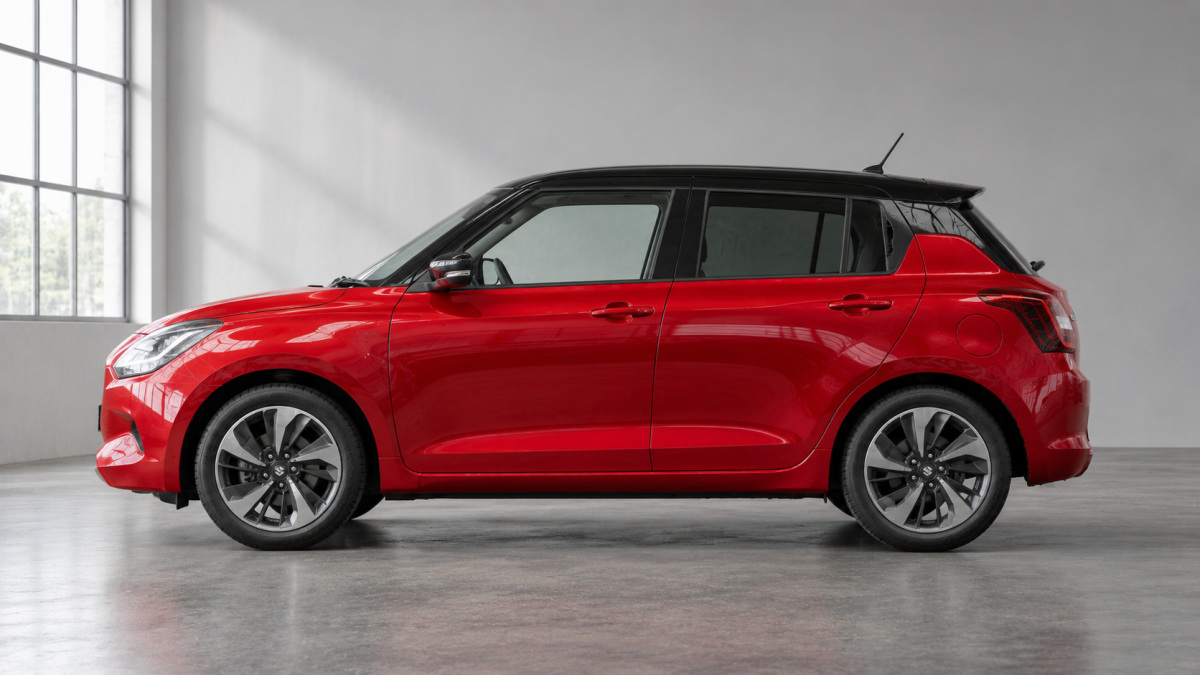
The Suzuki Swift is a practical choice for drivers looking for a compact, economical car for commuting around Dublin. When inspecting a used Swift, check the designated jacking points, lower sills and surrounding bodywork for corrosion or incorrect lifting. Review its service history to understand how it has been maintained.
Suzuki Vitara
The Suzuki Vitara is a versatile SUV suited to family journeys, commuting and longer trips around Ireland. Don't assume an SUV is automatically protected against underbody damage. Examine its lower bodywork, jacking points and exposed components for corrosion, impact damage or previous repairs.
Suzuki S-Cross
The Suzuki S-Cross combines everyday practicality with SUV-style comfort and versatility. If you're considering a used S-Cross, pay attention to its maintenance history, underbody condition and any evidence of previous lifting damage.
At Gerry Caffrey Motors, our team can help customers explore Suzuki options that suit their lifestyle, driving requirements and budget.
Buying a New vs Used Suzuki: What Should You Consider?
One advantage of buying a new Suzuki is that you don't have to assess years of previous wear, corrosion or maintenance history. Modern cars also benefit from evolving safety technology and equipment, while a carefully chosen used Suzuki can offer excellent value at a more accessible price.
When comparing new and used cars, consider more than the initial purchase price. Vehicle age, mileage, service history, warranty coverage, running costs and overall condition should all influence your decision. For used vehicles, the condition of the jacking points and underbody deserves particular attention. Don't judge quality by exterior appearance alone: a good used car should offer confidence in its mechanical condition, maintenance history and reliability.
Don't Forget Finance, Trade-Ins and a Vehicle History Check
The physical condition of a used car is only one part of making a smart purchase. Review the vehicle's service history, ownership records and available information about previous damage. Check for outstanding finance and confirm that the registration details are correct. If you're considering an imported vehicle, check that relevant Vehicle Registration Tax (VRT) requirements have been met in accordance with Revenue rules.
Researching finance options can help you manage your budget. Depending on the vehicle and your circumstances, ask about available finance packages and their terms. When trading in your current car, its condition, mileage, age and maintenance history may influence its valuation and help reduce the cost of your next vehicle. Comparing the overall cost and terms can help you choose a deal that suits your budget.
At Gerry Caffrey Motors in Terenure, you can discuss your budget, explore available finance options and consider trading in your existing vehicle when choosing your next Suzuki. Ask about the terms, duration and coverage of any warranty on a particular vehicle before you buy, so you can make an informed decision and secure the protection that suits your needs.
When Should You Walk Away From a Used Car?
Severe corrosion around structural jacking points or lower sills is a significant concern, particularly if the metal has weakened. Crushed lifting areas, poorly documented structural repairs and suspicious underbody coatings should also prompt further investigation. If a seller refuses to allow a reasonable independent mechanical inspection, reconsider the purchase.
Minor cosmetic issues don't always make a vehicle unsuitable, but uncertainty about structural integrity shouldn't be ignored. A professional inspection can help establish the severity of any damage and whether repairs are practical or financially worthwhile.
How Regular Maintenance Helps Protect Your Car's Jacking Points
Regular washing can help remove dirt, road salt and debris that collect around the lower bodywork, particularly during winter. Check for damaged protective coatings and address early signs of corrosion before they develop into more serious problems.
When having tyres changed or maintenance carried out, make sure the vehicle is lifted using the correct manufacturer-approved jacking points. Using suitable equipment and following the correct procedure helps reduce unnecessary damage, and bulky trolley jacks are not practical to carry in a car compared with smaller emergency equipment. If you're unsure, ask a qualified mechanic or garage to handle the work.
Why a Thorough Used Car Inspection Is Worth the Effort
Buying a used car is a significant financial decision, so taking time to inspect it properly makes sense. A clean interior, polished paintwork and attractive specification are appealing, but they don't tell the full story. The jacking points, lower sills and underbody can provide useful clues about previous maintenance, corrosion and possible damage.
Combined with a professional multi-point inspection, service-history review and car history check, these details can help you make a more confident decision. A multi-point assessment should consider mechanical health and safety systems, including the engine, gearbox and brakes. Whether you're buying your first car, upgrading to a family SUV or replacing an older vehicle, careful checks can help you avoid unexpected issues.
Find Your Next Suzuki at Gerry Caffrey Motors in Dublin
Checking a used car's jacking points might seem like a small detail, but it can reveal important information about the vehicle's condition. A careful underbody inspection, supported by maintenance records and professional advice, can help you choose a car that's suitable for Irish roads.
At Gerry Caffrey Motors, we understand what Dublin drivers need, whether that's an economical Suzuki Swift, a versatile Vitara or a practical S-Cross. If you're thinking about upgrading, we're here to help you explore your options, discuss finance and consider the value of your current car as a trade-in.
Thinking about your next Suzuki? Visit Gerry Caffrey Motors in Terenure, Dublin 6W, to explore our vehicles. Contact our team to discuss your options or arrange a convenient viewing or inspection booking.