The Truth About Engine Break-In (New and Used Cars)
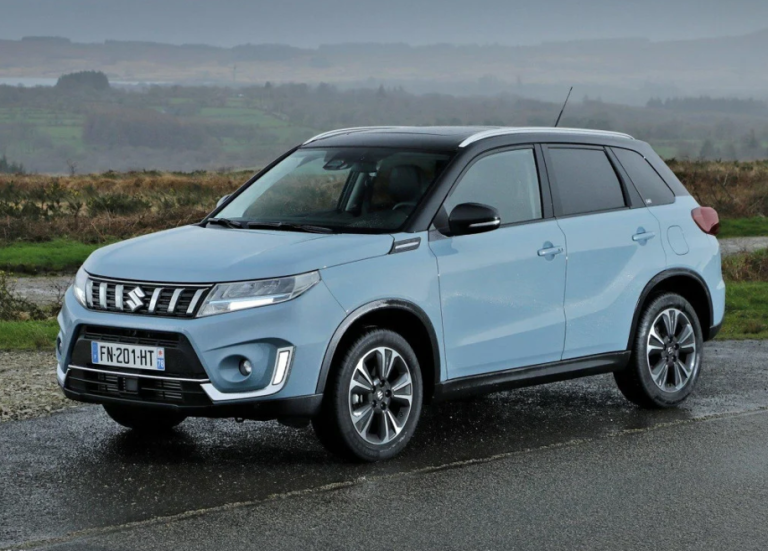
If you’ve ever bought a brand new car—or even a well-kept used one—you’ve probably heard about the “engine break-in period.”
Some drivers swear by it. Others say modern engines don’t need it at all.
So what’s the truth—especially for Irish drivers dealing with Dublin traffic, short commutes, and unpredictable weather?
What Is an Engine Break-In Period Explained?
The engine break-in period explained refers to the initial phase of a new engine's life where the engine's moving parts settle into place. Even with advanced manufacturing, new engine parts like pistons, rings, and the engine's cylinder wall still require time to properly bed and wear in.
In simple terms, the break-in process helps the piston rings seat properly against the cylinder walls, which have a deliberate slight roughness and small ridges that create friction and aid oil adhesion. This seating creates a tight seal that prevents oil from leaking into the combustion chamber and ensures optimal power delivery and engine performance.
Do Modern Cars Still Need a Break-In?
Short answer—yes, but the break-in process is less demanding than in the past.
Most manufacturers have improved piston ring materials and machining tolerances, especially in brand new cars like Suzuki models (Swift, Vitara, S-Cross). This means:
- Less risk of premature wear or damage to cast iron cylinder bores and other components
- More forgiving driving guidelines
- Shorter break-in periods
However, improper break-in can still cause issues such as increased oil consumption, poor sealing of piston rings, and reduced engine life, so following recommended break-in procedures remains important.
How Long Is the Engine Break-In Period?
The typical break-in period required for most new engines is within the first 1,000 to 1,500 kilometres (about 600 to 1,000 miles). This period allows the engine's cylinder wall and piston rings to properly bed together.
During this time, it’s best to avoid:
- Hard acceleration and high RPMs
- Heavy loads or towing that place excessive demands on the engine and drivetrain
- Constant high-speed driving or cruise control, which limits the break-in process by maintaining steady engine load and RPM
- Excessive idling, especially when cold, which can cause uneven wear and poor lubrication
These practices help protect delicate new engine parts, including camshaft lobes and cylinder walls, from premature wear.
Best Driving Habits During Break-In
To ensure a proper break-in process, adopt these habits:
- Avoid towing trailers or carrying excessive cargo during the first thousand miles to prevent undue stress on the new engine and drivetrain
- Change the oil between 500 and 1,500 miles to remove metal debris and maintain oil quality during the break-in process
- Use light load driving—avoid carrying heavy cargo or towing during extended periods
- Allow the engine to reach normal operating temperature before applying heavy throttle
- Avoid harsh acceleration, hard acceleration, and redlining
- Keep engine RPMs under 4,000 during the first 500 to 1,000 miles
- Avoid cruise control to encourage varying engine loads and friction, which helps the piston rings properly seat into the wall's small ridges
- Vary your speed and engine RPMs frequently—avoid running the engine at a constant speed for extended periods
These steps help maintain proper oil pressure, protect the cooling system, and ensure all moving parts operate perfectly smooth.
Engine Break-In Myths (That Still Hang Around)
There are many myths about breaking in an engine. Let’s clarify a few:
“You must drive extremely slowly”
Not true. Most manufacturers recommend gentle but varied driving, avoiding extremes and excessive idling. For example, the owner's manual recommends gentle use but only normal driving—never exceeding the highway speed limit.
“Modern engines don’t need break-in at all”
They do, but the break-in period is shorter and less strict than with older engines. Some high performance engines even require controlled moderate loads to ensure proper ring seating.
“You should change oil immediately”
Changing oil too early or too late can disrupt the break-in process. Follow the owner’s manual recommendations, usually between 500 and 1,500 miles.
“Extended break-in periods are necessary”
Most experts agree that after a few hundred miles, piston rings are properly seated, and longer break-in is unnecessary.
What About Used Cars?
Used cars don’t have a traditional break-in period but still benefit from a settling-in phase when you take ownership.
This is because:
- Components may need to adapt to new conditions
- The car may have been idle for long periods
- Driving style changes
We recommend only normal use during the first few hundred kilometres, especially if the vehicle hasn’t been driven regularly.
Irish Driving Conditions Play a Role
Ireland’s typical driving conditions—stop-start traffic, wet and cold weather, and short journeys—impact break-in and run-in.
These conditions encourage:
- Proper engine warm-up
- Frequent varying speeds and RPMs
- Light load driving
However, they also mean owners should be mindful of maintenance such as timely oil changes to support engine health.
New vs Used: What We See at Gerry Caffrey Motors
At Gerry Caffrey Motors in Terenure, we serve customers buying both brand new Suzuki cars and approved used vehicles.
One thing is clear:
- Drivers who follow proper break-in procedures and maintenance enjoy:
- Lower running costs and reduced premature wear
- Improved engine runs and fuel economy
- Better long-term reliability
It’s about smart care, not over-caution.
How Break-In Affects Long-Term Performance
Proper break-in influences:
- Overall life of the engine and its cooling system
- Oil consumption and sealing of new engine parts
- Engine efficiency and power delivery
A well-broken-in engine helps prevent issues like poor sealing of piston rings or camshaft lobe wear.
Brake Components Also Need Break-In
Remember, new brake pads and tires also require a break-in period to reach their full performance potential. This ensures safe and effective braking alongside a well-conditioned engine.
A Quick Note on Maintenance and NCT
Good break-in habits contribute to:
- Smoother engine performance
- Better fuel economy
- Lower emissions
All important for passing the NCT and keeping your car roadworthy.
Why Suzuki Models Are Ideal for Everyday Driving
Suzuki engines are designed for durability and efficiency in real-world conditions.
Models like the Swift, Vitara, and S-Cross offer:
- Practicality for Irish driving climates
- Engines suited for stop-start and varying speeds
- Reliable performance with minimal break-in stress
This makes them excellent choices for both new and used car buyers.
Final Thoughts on Engine Break-In
You don’t need to overthink it—but ignoring the engine break-in period explained can lead to bad engine break-in consequences.
Drive normally with varied speeds, avoid extremes, and allow the engine time to settle.
This simple approach supports the entire engine’s health and longevity.
Thinking About Upgrading?
Whether considering a brand new Suzuki or a quality used car, proper break-in and maintenance from day one matter.
At Gerry Caffrey Motors, we offer a wide range of Suzuki models along with flexible finance and trade-in options.
Thinking about upgrading to a Suzuki? Visit Gerry Caffrey Motors in Terenure, Dublin 6W—or drop in for a chat and we’ll help you find the perfect fit for your needs.