The Morning-After Test: 7 Questions to Ask Before Buying a Used Car
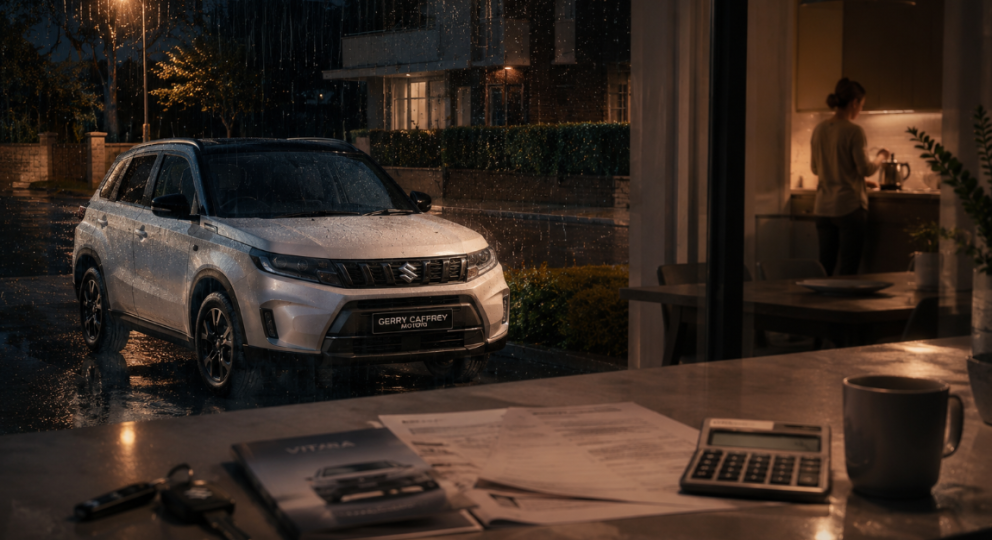
A car can feel perfect during a test drive. The paint is gleaming, the cabin smells fresh, and the monthly repayment seems manageable.
But would you still choose it tomorrow morning?
Before paying a deposit or signing a finance agreement, step away and run through these seven questions. This practical used car checklist will help you make a calmer decision—and avoid some of the most common car buying mistakes in Ireland.
1. Does the car fit my real life?
It’s easy to buy for the occasional adventure rather than the journey you make every day.
Think about your normal week. Will the vehicle handle the school run, the commute through South Dublin, supermarket parking, and regular trips on the M50? Is there enough room for child seats, sports gear, shopping, or the family dog?
Your driving environment matters too. A compact Suzuki Swift can make excellent sense for urban driving and tight parking spaces. A Suzuki Vitara offers the higher seating position and flexibility many families prefer, while the Suzuki S-Cross provides extra space for longer journeys.
In our experience, choosing a car becomes much easier when you focus on the journeys you make 90% of the time.
2. Can I comfortably afford the total cost?
The sticker price is only one part of the calculation when buying a used car.
Your real monthly budget should include:
- Parking and tolls
- NCT-related maintenance
- Tyres and other wear items
- Routine servicing
- Fuel or charging
- Motor tax
- Insurance (car insurance is a legal requirement before driving)
- Finance repayments
Ask for the total amount repayable under any finance agreement—not just the monthly figure. Check the deposit, interest rate, agreement term, and whether there’s a final payment.
A lower monthly repayment can look attractive, but it may come with a longer term or a larger overall cost. Gerry Caffrey Motors offers both new and used vehicle funding options, which you can explore on the Suzuki offers and finance page.
If you have a current car to trade in, include its valuation in the same calculation. Using your current vehicle as a deposit may reduce the amount you need to finance.
Remember, the average monthly running costs for cars in Ireland are around €220, with annual costs approximately €10,373.
3. Have I checked the car’s history and paperwork?
This is one of the most important steps when buying a used car in Ireland.
Confirm that the registration, Vehicle Identification Number, and seller’s details match the available documentation, including the vehicle registration certificate or vehicle licencing certificate. Ask for the car's service book and review it carefully rather than accepting “full history” at face value.
Look for evidence of:
- A valid NCT certificate
- Outstanding finance checks
- The number of previous owners
- Previous repairs
- Recall or warranty work
- Timing-belt replacement, where applicable
- Recorded mileage (average Irish cars travel about 15,854 kilometres per year)
- Regular servicing
You can verify a vehicle’s current test status using the official NCT validity checker. Remember that an NCT certificate confirms the car met the test requirements on a particular date; it isn’t a substitute for checking its present mechanical condition.
For imported cars, establish where the vehicle was first registered and whether all taxes and registration requirements, including vehicle registration tax (VRT), were correctly handled. Revenue explains the documentation and potential VRT, VAT, and customs implications in its guidance on importing used vehicles.
Import costs can change what initially appears to be a bargain.
4. What did the test drive actually tell me?
A short spin around the block won’t tell you much.
Drive the vehicle on roads similar to those you use regularly. That could mean stop-start traffic around Terenure, ramps and uneven urban surfaces, or a faster section of dual carriageway.
Turn the radio off and pay attention. Does the car start cleanly? Does the engine idle smoothly and respond well when you accelerate? Is the steering straight? Do the brakes feel progressive? Are there knocks, vibrations, warning lights, or unusual noises?
Check that all dashboard warning lights function properly and switch off as expected.
Try the clutch and every gear if it’s a manual. In an automatic, check that changes feel smooth and predictable.
Test the practical equipment too:
- Heating and demisting
- Electric windows and mirrors
- Phone connectivity
- Infotainment
- Parking sensors and cameras
- Lights
- Windscreen wipers and washers
- Air conditioning
As part of your exterior checks, make sure the doors open and close properly and line up evenly with the body.
Irish weather makes good tyres, effective wipers, and quick demisting essential—not optional details.
5. Is the condition consistent with the age and mileage?
Every used car shows some wear. The question is whether its condition makes sense for the age, mileage, and asking price.
Check the bodywork in daylight. Look along the panels for colour differences, uneven gaps, overspray, or marks that could point to previous repairs.
Inspect all four tyres, including their tread and general condition. Uneven wear may indicate an alignment or suspension issue. Check the wheels for damage from kerbs and potholes, particularly on vehicles used mainly around Dublin.
Inside, excessive wear on the steering wheel, pedals, or driver’s seat may not match unusually low recorded mileage.
We often see buyers focus on a small cosmetic mark while overlooking tyres, service history, or warning lights. Prioritise the items that affect safety, reliability, and future expense.
6. Would a new car make more sense than this used one?
A quality used car can deliver excellent value, but compare like with like before deciding.
A newer model may offer a manufacturer guarantee, updated safety technology, improved efficiency, and fewer immediate maintenance concerns. Depending on current offers and finance rates, the gap between a nearly-new car and a new vehicle may also be smaller than expected.
For example:
The Suzuki S-Cross offers additional cabin and luggage space for longer journeys.
The Suzuki Vitara balances compact SUV dimensions with family practicality.
The Suzuki Swift suits drivers who want an efficient, easy-to-park city car.
You can compare these models with Gerry Caffrey Motors’ current selection of new and used cars.
A premium used vehicle with a clear history may be the better buy. Equally, a new Suzuki with a suitable finance package could offer more predictable ownership costs. The right answer depends on the entire deal—not simply the windscreen price.
7. If someone else bought it tonight, would I feel disappointed or relieved?
This is the morning-after test in one sentence.
If your first reaction would be relief, something about the car or the deal hasn’t convinced you. It may be the price, condition, history, driving position, or pressure to decide quickly, so a buyer should step back and base the decision on evidence rather than emotion.
A good car should still make sense after the excitement of the test drive has faded.
Take the details home. Review your budget, compare another vehicle and speak to your insurer before committing. If the seller won’t allow you reasonable time to make an informed decision, that’s useful information in itself.
Choosing a car should feel considered, not rushed.
Additional Considerations When Buying a Used Car
Where to Buy
Buying from a dealership offers greater consumer protection and often includes a written extended warranty or guarantee. When a business such as a dealer or garage sells a used car, the buyer has stronger protections under the Consumer Rights Act 2022, and similar consumer rights often apply when buying from licensed traders. Dealers must provide accurate information about the car’s history and handle paperwork like ownership transfer and vehicle registration certificate or vehicle licencing certificate. If something goes wrong after purchase, remedies may include repair or refund.
Private sellers may offer lower sticker prices but provide fewer legal rights and less protection if things go wrong, and buying from a private seller or private person generally means fewer formal protections than buying from a business.
Buying from a car auction usually means even fewer consumer rights, and the sale is often more limited in protection, so it should be approached cautiously.
Online marketplaces such as Carzone, DoneDeal, and Cars Ireland provide a wide selection but require careful research and caution.
Legal and Administrative Requirements
Before driving, ensure that car insurance is in place—it’s a legal requirement. In the ownership-transfer process, both the seller and the buyer have responsibilities, including completing and signing the required form to update the vehicle registration certificate or vehicle licencing certificate.
Driving an unregistered vehicle is a criminal offence.
Vehicle registration tax (VRT) must be paid when registering a vehicle in Ireland, so keep your selling and transfer paperwork in order to stay compliant.
Vehicle History and Inspection
A thorough history check helps uncover previous owners, outstanding finance, accident history, and odometer fraud. The Road Safety Authority recommends such checks.
Arrange an independent inspection by a qualified mechanic to assess the vehicle’s mechanical condition beyond the test drive.
Documentation
Always ask for the car’s service book, warranty documents if buying from a dealer, and the NCT certificate for cars over four years old.
Negotiating the Best Deal
Research competitive prices, compare the wider competition, and set realistic negotiation limits so your approach stays evidence-based rather than emotional. Be cautious of red flags like mismatched documents or pressure to sign forms quickly.
Use evidence from your inspection and history check to negotiate a lower price, while paying attention to the seller’s head and sticking to your money limit rather than paying more than the evidence supports.
After Purchase
Make sure ownership is promptly transferred into your name through the Department of Transport or local tax office.
Keep all important documents safe and arrange ongoing servicing to maintain the car’s quality, especially if you may later be selling the car, as good records can help support its value.
Visit Gerry Caffrey Motors in Terenure, Dublin 6W, to browse premium used stock, compare Suzuki models, discuss finance, and arrange trade-in valuations. The team will help you find a car that still feels right the morning after.