The Hidden Drawbacks of “Budget Motoring”: When Low Prices Backfire
Buying a cheaper car can feel like a win. Lower upfront cost, lower monthly repayments, and more cash left in your pocket.
But in our experience at Gerry Caffrey Motors, “budget motoring” often comes with trade-offs that aren’t obvious at first glance. And over time, those hidden costs can quietly add up, affecting your total expenses per year.
What Does “Budget Motoring” Really Mean?
For most Irish drivers, budget motoring means picking up a lower-priced used car, often with higher mileage or fewer features.
It’s appealing—especially with rising living costs—but the true cost of budget cars goes beyond the purchase price, including motor tax, fuel costs, insurance, and maintenance fees.
The Real Issue: Cheap Car Ownership Costs Add Up
A low sticker price doesn’t always mean low running costs.
We often see drivers come in after a year or two, surprised at how much they’ve spent running a car that initially seemed affordable.
Frequent Repairs and Wear
Older vehicles tend to need more attention. Suspension wear from Irish roads, brake replacements, and electrical faults are common. These maintenance expenses can vary but often add up significantly per year.
Throw in our wet climate, and corrosion can speed things up even more, increasing garage visits and repair fees.
Fuel Efficiency Isn’t Always Great
Older engines aren’t as efficient as newer models, meaning higher fuel consumption. Fuel costs in Ireland can average around €10.40 per 100km for petrol and €8.60 for diesel, so inefficient cars can really add to your annual expenses.
Insurance Can Be Higher
It’s a common misconception that cheaper cars always mean cheaper insurance.
In reality, older cars without modern safety features can sometimes cost more to insure, with premiums varying based on driver age, driving history, and car type.
Hidden Costs of Cheap Cars in Ireland
There are also some Ireland-specific factors that many buyers overlook.
NCT Surprises and Fees
Failing the National Car Test (NCT) can lead to unexpected repair bills. The NCT is required every two years for vehicles under 10 years old, with a fee of €55 for a full test and €28 for a re-test.
A “cheap” car can quickly become expensive if it needs major work to pass, affecting your ability to keep the car running smoothly.
Tax and Emissions
Older cars often fall into higher motor tax brackets based on CO2 emissions, leading to ongoing annual fees that add up.
Electric or hybrid vehicles, for example, benefit from lower motor tax rates, sometimes as low as €120 per year, helping reduce the cost of running a car.
VRT and Import Costs
If you’re importing a budget car, don’t forget Vehicle Registration Tax (VRT). This tax is based on the vehicle’s CO2 emissions and open market selling price, and can vary significantly.
Many buyers underestimate this cost, which can raise the total price well beyond initial expectations.
Affordable Car Maintenance Issues You Might Face
- Maintenance is where budget motoring often bites.
- Limited availability of parts for older models
- Outdated infotainment and safety tech
- Tyres wearing faster due to poor alignment
- Timing belts and clutches needing replacement
In our experience, these issues rarely appear all at once—but over time, they chip away at any initial savings and increase your annual expenses.
Low-Cost Vehicles: Pros and Cons
Let’s be fair—budget motoring does have its place.
The Pros
- Less financial commitment
- Ideal for first-time drivers
- Lower upfront cost
The Cons
- Fewer modern safety and emission features
- Reduced resale value due to depreciation
- Lower reliability and potential for breakdowns
- Higher long-term maintenance and repair costs
The key is understanding both sides before making a decision and planning your budget accordingly.
A Smarter Alternative: Value Over Price
Instead of focusing purely on price, it’s worth thinking about overall value.
Newer, well-maintained cars—especially from trusted dealers—often cost less in the long run when you consider fuel costs, motor tax, insurance, and depreciation.
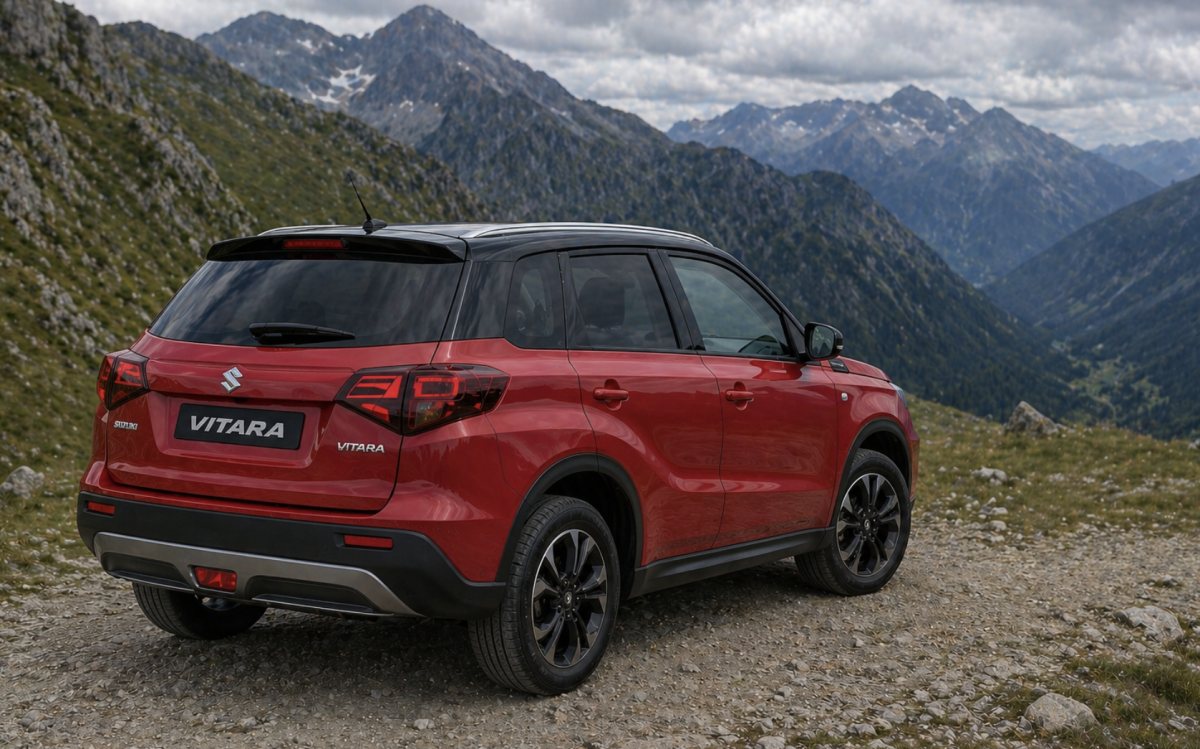
At Gerry Caffrey Motors, we regularly recommend models like the Suzuki Swift, Vitara, and S-Cross.
These cars offer better fuel economy, lower CO2 emissions, and fewer surprises when it comes to maintenance—making them a smarter long-term choice for Irish drivers.
Why Buying From a Trusted Dealer Matters
One of the biggest differences we see is where the car comes from.
With a reputable dealer, you get:
- Transparent pricing including all fees and taxes
- Proper servicing to keep your car running smoothly
- Warranty options for peace of mind
- Verified history and full test records
The Bottom Line
Budget motoring can work—but only if you go in with your eyes open.
The cheapest car upfront isn’t always the cheapest to own. And in many cases, spending a little more initially saves you a lot of money per year down the road.
Considering a Suzuki upgrade? Drop by Gerry Caffrey Motors in Terenure, Dublin 6W to check out our selection today.