The First Wet Week of Autumn — What Should You Check on Your Car?
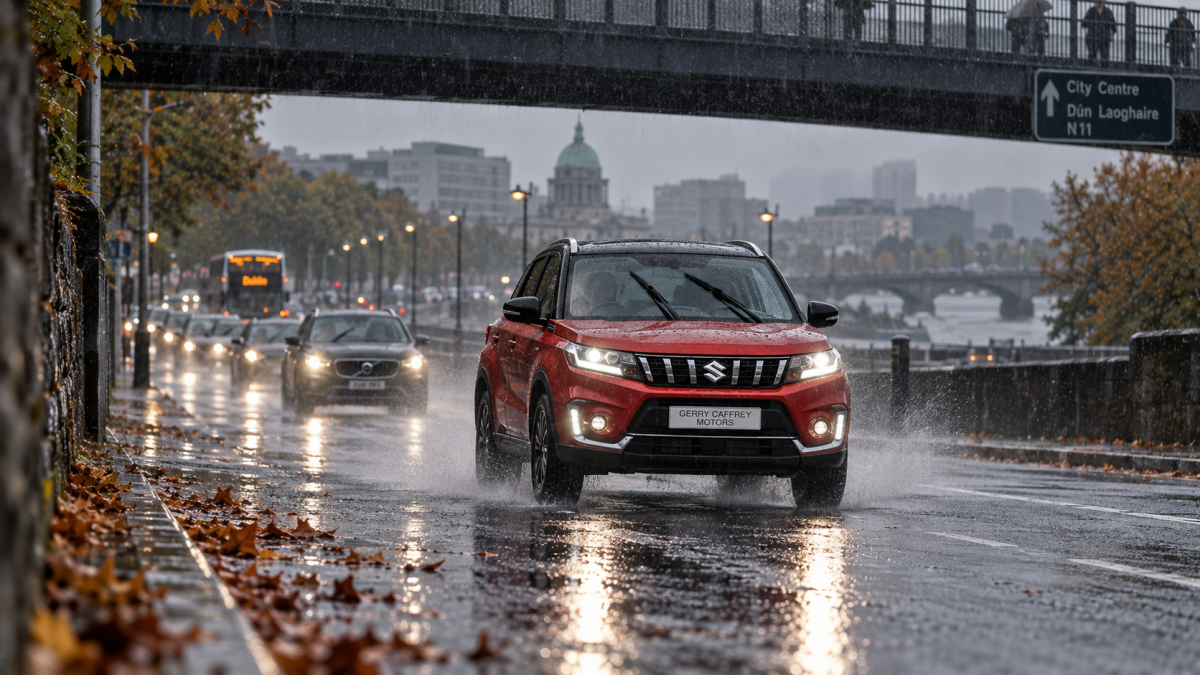
The first properly wet week of autumn can catch Irish drivers off guard. After the drier days of summer, rain brings greasy road surfaces, heavier spray, and poorer visibility—often during an already busy Dublin commute.
A quick autumn car check now could prevent an unpleasant surprise on the M50, a misted-up morning in Terenure, or a loss of traction on a wet South Dublin road.
Here’s what to inspect before the autumn weather settles in to ensure your safety and that of other drivers.
1. Start With a Proper Tyre Check
Your tyres are the only parts of the car in direct contact with the road, so their condition matters even more during wet-weather driving on slippery and leafy roads.
Check the tread depth across all four tyres, including the inner edges that aren’t always easy to see. The legal minimum tyre tread depth in Ireland is 1.6mm, but the Road Safety Authority advises maintaining at least 3mm for safer driving conditions. New tyres typically have a tread depth of 8.0 mm.
Deeper tread helps the tyre clear water from beneath it. With just 1/12 inch of water on the road, tyres must displace a gallon of water per second to maintain grip. Once tyres become badly worn, the risk of aquaplaning increases, and the car can take longer to stop, especially when hard braking is needed.
Look for Uneven Wear and Damage
During your tyre check, look for:
- Cuts, cracks or bulges in the sidewalls
- Nails or other objects in the tread
- Uneven wear across the tyre
- Tread close to the wear indicators
- Damage caused by potholes or kerbs
Uneven wear can point to an alignment, suspension, or tyre-pressure issue. We often see cars where the outside of the tyre looks acceptable, but the less visible inside edge is close to—or below—the legal limit.
Driving with worn tyres can result in an €80 fine, so it’s important to stay aware of their condition.
Don’t forget the spare wheel if your car has one. If it uses a tyre repair kit instead, check that the sealant hasn’t passed its expiry date.
Check Your Tyre Pressures
Colder weather can reduce tyre pressure, while an underinflated tyre may reduce steering response and increase fuel consumption.
Use the pressures recommended by the car manufacturer rather than the maximum figure printed on the tyre. You’ll normally find the correct settings inside the driver’s door, on the fuel flap, or in the owner’s handbook.
Measure the pressures when the tyres are cold. Remember the recommended setting may change when the car is carrying several passengers or a full boot.
Regular tyre checks should be scheduled to prevent blowouts or loss of control, especially during the autumn months.
2. Check All Your Car Lights
Autumn rain and darker evenings can reduce visibility quickly, particularly on roads with poor lighting or heavy spray.
Test your dipped headlights, full beams, indicators, brake lights, hazard lights, fog lights, and number-plate lights. If possible, ask someone to stand outside the car while you operate each one.
You can also reverse towards a wall or garage door and use the reflections to check the rear lights.
Clean dirt and road film from every lens. A working bulb behind a dirty or cloudy lens may still produce less useful light than you expect.
Testing all exterior lights is essential for driving during dark early evenings. Defective bulbs, damaged lenses, and badly aligned headlights can all cause problems at test time.
Remember to use dipped headlights about an hour before sunset and keep them on for an hour after sunrise to ensure you are visible to other drivers and can see the road ahead clearly.
Do not use high beams in foggy conditions because they can blind other drivers and decrease your own visibility.
3. Inspect Your Wiper Blades
Good wiper blades should clear the windscreen smoothly and quietly.
Replace them if they leave streaks, skip across the glass, make a chattering noise, or leave sections of the windscreen untouched. Check the rear wiper too—it’s easy to overlook until you need to reverse in heavy rain.
Driving with worn wipers reduces visibility by 20% to 30%, making it harder to see the road ahead and other drivers.
In our experience, many motorists wait until the rubber has visibly split. Wiper performance usually begins to deteriorate well before that point.
Clean the blades with a damp cloth and examine the rubber for hardened edges or small tears. If cleaning doesn’t restore a clear sweep, it’s time for a replacement set.
4. Top Up the Windscreen Washer Fluid
Irish roads can cover a windscreen with spray, grit, and oily residue within minutes. Plain water may not remove that film effectively and can freeze once winter temperatures arrive.
Use a suitable winter-grade screenwash mixture and follow its dilution instructions. Check that the front and rear washer jets are working and aimed correctly.
If a jet is weak, the nozzle may be blocked or the washer system could have a leak. Don’t ignore the problem—a functioning washer system is essential for visibility and is also checked during the NCT.
5. Examine the Windscreen and Demisting System
Small windscreen chips can spread when temperatures change, especially once you begin using the heater on cold mornings. Inspect the glass for chips, cracks, and scratches within the driver’s field of vision.
Next, test the front demister, heated rear window, and air conditioning. Air conditioning isn’t only for summer; it removes moisture from the cabin and can clear misted glass much faster.
Consider replacing the cabin filter if airflow feels weak or there’s a persistent damp smell. Wet coats, umbrellas, and floor mats can quickly raise the moisture level inside a car during a Dublin autumn.
6. Pay Attention to the Brakes
Listen for grinding, squealing, or scraping when braking. Pay attention if the brake pedal feels unusually soft, the steering wheel vibrates, or the car pulls to one side.
Wet roads increase stopping distances. Worn brake pads, damaged discs, or poor-quality tyres leave you with even less room to react when traffic suddenly slows.
If anything feels different, arrange an inspection. Gerry Caffrey Motors’ service department in Terenure handles servicing, repairs, and NCT checks for Suzuki vehicles and other makes.
7. Look Under the Bonnet
You don’t need to be a mechanic to complete a few useful autumn car maintenance checks.
With the vehicle parked safely and the engine cold, check:
- Engine oil
- Coolant (check levels to prevent freezing during colder months)
- Brake fluid
- Windscreen washer fluid
- Battery terminals for visible corrosion
- Hoses for obvious cracks or leaks
Never open a hot coolant reservoir. If you’re unsure where a fluid goes—or why its level has dropped—ask a technician rather than adding the wrong product.
A battery that struggled occasionally during summer may fail once colder, darker mornings arrive. Slow starting, dim lights, or warning messages can all justify a battery test.
8. Clean Your Number Plates, Mirrors, and Cameras
Clean both registration plates and make sure they’re secure and clearly readable. Dirt can build up quickly during a week of constant rain.
Give the mirrors, reversing camera, and parking sensors a clean too. On models such as the Suzuki Vitara and S-Cross, these driver aids can be particularly useful on wet, dark evenings—but mud and water droplets may reduce their effectiveness.
Cameras and driver-assistance systems support the driver. They don’t replace proper observation or careful driving.
9. Adjust Your Driving for Heavy Rain and Windy Conditions
Even a perfectly maintained car can’t overcome poor driving decisions.
Reduce your speed, leave a larger gap from the vehicle ahead, and use dipped headlights when visibility is poor. Avoid cruise control in very wet conditions, steer smoothly, and allow more time for braking.
Be especially careful around standing water. It may hide a pothole, while driving through it too quickly can cause aquaplaning or force water into parts of the car where it can cause damage.
If the steering suddenly feels light while crossing surface water, don’t brake sharply. Ease off the accelerator, keep the steering steady, and allow the tyres to regain contact with the road.
Strong winds can pose a challenge when driving on motorways. It's important to reduce your speed and hold the steering wheel firmly, especially when overtaking large vehicles like lorries, as the wind pressure can affect your car's stability and steering control.
10. Keep Emergency Equipment Ready
Ensure your car’s emergency equipment is up to date and easily accessible. This should include a high-visibility vest, a flashlight, a first-aid kit, and warning triangles.
Having this equipment can make a crucial difference in the event of a breakdown or accident, especially during autumn’s unpredictable weather.
11. Stay Aware of Road Signs and Conditions
Watch for signs warning of wildlife or slippery roads due to fallen leaves. Autumn is the mating season for many wild animals that move around in herds and are more active.
Slow down when driving on roads where there are signs warning of wildlife in the area.
12. Follow These Autumn Driving Tips
- Double the safety distance on wet roads.
- Avoid hard braking or sudden steering inputs on slippery surfaces.
- Use hazard lights if your vehicle stops unexpectedly to warn other drivers.
- Turn on your lights about an hour before dusk and keep them on until an hour after dawn.
- Always ensure your brake pedal feels firm and responsive.
- When visibility is poor, stay aware of other drivers’ movements and signals.
Is Autumn a Good Time to Change Your Car?
Sometimes a wet-weather inspection reveals that an older car needs tyres, brakes, wipers, and other repairs at the same time.
That doesn’t automatically mean you should replace it. However, it’s sensible to compare the estimated repair bill with the car’s current value and your plans for the next few years.
A premium used car can offer strong value if it has been properly prepared and comes with a clear service history. Check its tyres, NCT status, mileage, and maintenance record before making a decision.
If you’re considering a used import, confirm that its Irish registration is complete and that any applicable VRT has been correctly dealt with. The Revenue paperwork and vehicle details should be clear before money changes hands.
For a new car, the Suzuki Swift is a practical choice for Dublin city driving. The Suzuki Vitara and S-Cross provide the additional space and higher driving position that many families prefer.
Gerry Caffrey Motors can help you compare new and used options, assess your trade-in, and explore a suitable finance arrangement.
Can Gerry Caffrey Motors check my car before winter?
Yes. The service team at Gerry Caffrey Motors in Terenure can assist with routine maintenance, repairs, and NCT preparation for Suzuki vehicles and other makes.
The first wet week of autumn is a useful reminder to give your car some attention before the darker months arrive. Ten minutes on the driveway—or a professional inspection where needed—can make every journey safer and less stressful.
Thinking about upgrading to a Suzuki? Visit Gerry Caffrey Motors in Terenure, Dublin 6W, to explore the Swift, Vitara, and S-Cross, discuss your trade-in, and find a finance option that suits you.