The 10-Minute Used Car Inspection Every Buyer Should Know
The 10-Minute Used Car Inspection Every Buyer Should Know
Buying a used car can be exciting, but a shiny exterior doesn’t always tell the full story. Before discussing price, finance or a trade-in, spend ten minutes checking the areas that reveal how well the car has really been treated.
This quick inspection won’t replace an assessment by a qualified mechanic. It will, however, help you spot warning signs, ask better questions and avoid wasting money on the wrong vehicle.
Here’s the 10-minute used car inspection every buyer should know, tailored for Dublin drivers and Irish road users in typical conditions.
Why a Quick Used Car Inspection Matters
Irish cars have a demanding life due to wet weather, potholes, speed ramps, coastal air, and stop-start Dublin traffic, all of which can accelerate wear and affect vehicle durability. A car may have a valid NCT but still require tyres, brakes, or servicing soon after purchase. The NCT confirms that a vehicle met certain roadworthiness and emissions standards when tested, but it isn’t a guarantee of its present mechanical condition or performance.
In our experience, the best used cars tell a consistent story where the mileage, interior, bodywork, tyres, and service records all make sense together. If one part of that story feels wrong, slow down and investigate to save money and avoid risk.
Minute 1: Check the Overall Vehicle Condition
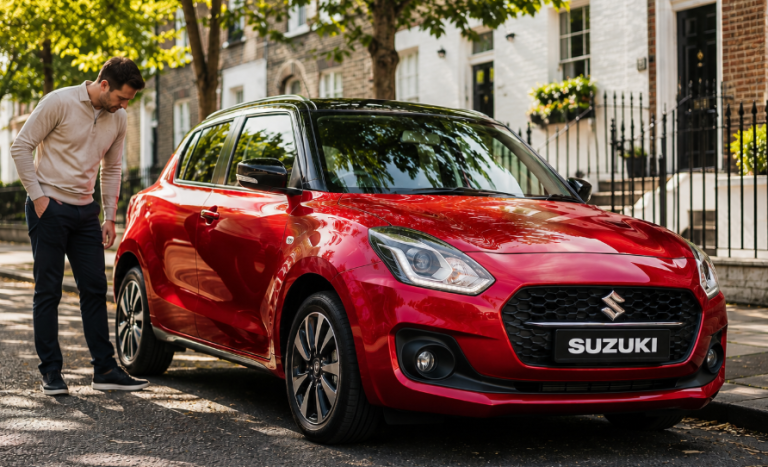
Begin your inspection a few metres away from the car. Walk around it slowly and view it from several angles, looking for panels that appear to be different shades or have uneven gaps around the bonnet, doors, or boot. Notice any dents, deep scratches, bubbling paint, or if the car sits lower on one corner, which may indicate suspension or load issues. Also, check for cracks or chips in the windscreen and corrosion around wheel arches and door edges.
Different paint shades or poorly aligned panels don’t automatically mean a car should be rejected, but they may indicate previous body repairs. Ask what work was completed, whether invoices are available, and if repairs were done at a reputable dealership. Try to inspect the car outdoors and in daylight since rain, poor lighting, and freshly applied polish can hide imperfections.
Minutes 2–3: Inspect the Tyres
Tyres reveal more than just their remaining tread depth; they are a key feature affecting safety and traction. Check all four tyres, examining the inner and outer edges for uneven wear, cuts, cracks, bulges, or exposed rubber or cords. The legal minimum tread depth for a passenger car in Ireland is 1.6mm across the required part of the tyre. Tyres close to that limit may represent an immediate extra cost. Tyres should also be replaced after ten years regardless of wear due to rubber degradation reducing efficiency and safety.
Uneven tyre wear can suggest incorrect tyre pressure, poor wheel alignment or suspension issues, previous impact damage, or inconsistent maintenance. Check whether matching tyres are fitted across each axle and consider whether the tyres are suitable for the climate, as summer tyres perform best above 7°C, winter tyres below 7°C, and all-season tyres offer a compromise. Look in the boot for the spare wheel or inflation kit, ensuring it is correctly mounted and in good condition.
Irish rain and road conditions leave little margin for worn or damaged tyres. If you regularly use the M50, travel through the Dublin Mountains, or drive on wet South Dublin roads, tyre quality is essential to maintain safety for you and other road users.
Minute 4: Look at the Brakes and Wheels
While a full mechanical brake inspection is not possible in one minute, you can identify several obvious concerns. Look through the alloy wheels at the brake discs where possible. Heavy scoring, deep ridges, or extensive corrosion can mean the discs and pads require attention. During the test drive, listen for grinding, squealing, or knocking. The car should stop smoothly without pulling strongly to either side, and the brake pedal shouldn’t feel unusually soft or pulse during normal braking.
Brakes play a crucial role in vehicle safety and efficiency, as worn brakes can increase stopping distances and the risk to other road users. Inspect the wheels for heavy kerbing, cracks, or distortion as repeated contact with potholes and kerbs may affect wheel alignment, tyres, suspension, and transmission components.
Minute 5: Check Under the Bonnet
Only inspect the engine when it’s switched off and safe to approach. Look for obvious oil or coolant leaks, loose components, and damaged wiring. Fluid levels should sit within their marked ranges, although you should never open a hot cooling system. Check around the oil filler cap for heavy sludge or creamy residue. A small amount of condensation can occur, particularly in cold weather or on cars used for short journeys, but anything excessive deserves professional investigation.
Ask the seller not to warm the car before you arrive because a cold start can reveal slow starting, smoke, rattles, or warning lights that may be less obvious once the engine reaches operating temperature.
Minute 6: Start the Engine and Watch the Dashboard
Turn on the ignition and confirm that the main dashboard warning lights illuminate. They should then switch off after the engine starts, following the normal sequence described in the owner’s manual. Be cautious if any of these warning lights remain on, such as engine management, anti-lock braking system, airbag, oil pressure, battery or charging system, or electronic stability control.
Listen to the engine at idle; it should settle into a consistent rhythm without severe vibration, metallic knocking, or persistent rattling. Check the exhaust for unusual smoke. Some light condensation on a cold, damp Dublin morning can be normal, but thick blue, black, or persistent white smoke requires further investigation.
Minutes 7–8: Examine the Interior and Electronics
The interior should broadly match the mileage and age shown. A heavily worn steering wheel, damaged driver’s seat, or very smooth pedal covers on a supposedly low-mileage car should prompt questions. One worn component isn’t proof of incorrect mileage, but several inconsistencies warrant a closer look.
Test the equipment you’ll use every day, including air conditioning and heating, electric windows and mirrors, central locking, infotainment system, reversing camera and parking sensors, heated seats where fitted, windscreen wipers and washers, headlights, indicators and brake lights, USB ports, and smartphone connectivity.
Lift the boot floor and inspect the spare-wheel well. Dampness, staining, or a musty smell may point to a water leak. Irish weather is very good at exposing worn door seals and blocked drainage channels, so check the carpets around the front footwells and inside the boot for moisture.
Minute 9: Review the Service History and Documents
A stamped service book is useful, but invoices and digital service records can provide a clearer picture of what was completed. Compare the recorded dates and mileages, looking for consistent servicing and evidence of important maintenance such as brake replacement, tyres, fluid changes, and timing-belt work where applicable.
Ask to see the Vehicle Registration Certificate, current NCT details, service book or digital service record (many vehicles now come equipped with digital records accessible via apps), maintenance and repair invoices, both keys, the owner’s manual, and warranty information if applicable.
Check that the Vehicle Identification Number matches the documentation. Also, complete an independent history check via the internet for outstanding finance, insurance write-offs, mileage discrepancies, and previous use. Maintain comprehensive documentation to avoid legal issues and ensure a fair transaction. A valid NCT is reassuring, but it isn’t a substitute for service history or a pre-purchase mechanical inspection.
Minute 10: Take a Focused Test Drive
Never buy a used car based only on a stationary inspection. Choose a route that includes slow traffic, uneven surfaces, and a faster stretch where practical. Around Dublin, even a short drive can reveal how the clutch, gearbox, steering, suspension, and brakes behave in realistic conditions.
Pay attention to hesitation or warning lights under acceleration, clutch slipping or an unusually high biting point, rough or delayed gear changes or transmission issues, steering that pulls to one side, knocks over ramps or rough surfaces, excessive wind or wheel-bearing noise, vibration through the steering wheel, and weak braking or an unstable stop.
Turn the radio off for part of the drive because a quiet cabin makes suspension, engine, and drivetrain noises easier to identify. If anything feels wrong, don’t let pressure or excitement rush your decision.
What About Imported Used Cars?
If you’re considering an imported vehicle, check its registration history and paperwork particularly carefully. VRT generally applies when an imported vehicle is registered in Ireland. Vehicles brought into the State must normally be registered within the required Revenue deadline, while VAT or customs charges may also apply in certain circumstances. Check the latest Revenue rules before committing to an import and don’t rely solely on an advertised or estimated VRT figure when calculating the car’s total cost.
When Should You Walk Away?
A minor cosmetic issue doesn’t always make a car a poor purchase, but multiple unexplained problems are more concerning. Consider walking away if the seller won’t allow a proper test drive, the service history can’t be verified or is incomplete, the documentation and chassis number don’t match, dashboard warning lights remain illuminated, the engine is already warm when a cold start was agreed, there are clear signs of major accident repair, the tyres, brakes, and suspension all need immediate work, or the seller discourages an independent inspection.
A good seller should be comfortable answering reasonable questions. If the explanation is vague or the story keeps changing, trust your judgement.
New vs Used Suzuki: Which Makes Sense?
A premium used car can offer excellent value, particularly if you want a higher specification without paying the full new-car price. A new Suzuki may offer the latest hybrid technology, driver-assistance equipment, warranty cover, and finance options. The right choice depends on how and where you drive.
The Suzuki Swift is well suited to city commuting, narrow Dublin streets, and tight parking spaces. The Vitara offers extra ride height and SUV practicality, while the S-Cross provides useful cabin and boot space for families.
At Gerry Caffrey Motors, you can compare new and used Suzuki models, explore premium used stock, and discuss finance or trade-in options with an experienced team.
A Ten-Minute Check Can Prevent an Expensive Mistake
The best used car inspection is systematic. Check the overall vehicle condition, tyres, brakes, engine, interior, service history, and road behaviour in the same order every time. If the car passes your first inspection, arrange a professional assessment before buying—particularly when purchasing privately or choosing an older vehicle.
Thinking about upgrading to a Suzuki? Visit Gerry Caffrey Motors at 106–112 Terenure Road North, Dublin 6W. Our team can help you compare the Suzuki Vitara, Swift, and S-Cross, value your trade-in, and find a finance option that suits your budget.