Tech Filled Cars vs Driver Focused Cars: The Battle Between Them
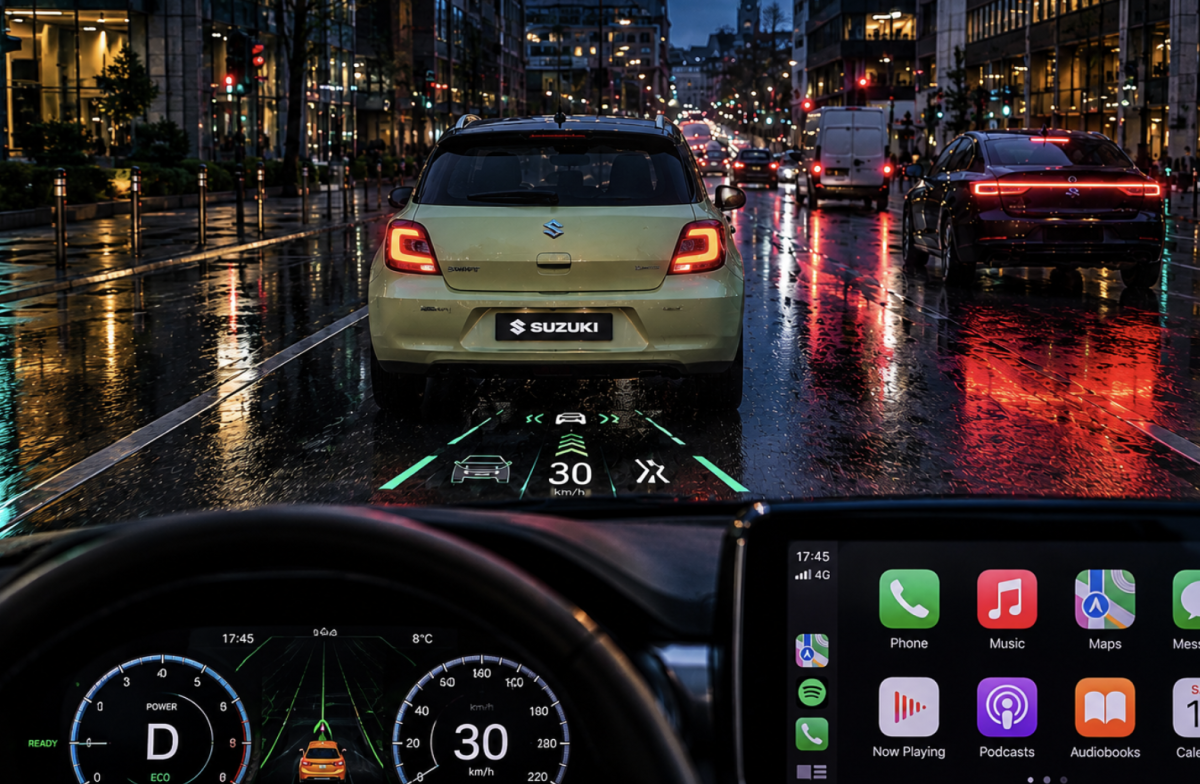
Modern cars have changed massively over the last decade. Large touchscreens, AI-assisted driving, adaptive cruise control, wireless connectivity — it’s all become part of everyday motoring.
But while some drivers love the latest gadgets, others still want something simpler: a car that feels connected to the road.
That’s where the debate begins.
The battle between tech-filled cars and driver-focused cars is becoming increasingly relevant for Irish motorists. Whether you're navigating Dublin city traffic, tackling winding country roads, or commuting through unpredictable Irish weather, the balance between technology and driving enjoyment matters more than ever.
At Gerry Caffrey Motors in Terenure, we regularly speak with customers who want modern convenience without sacrificing the pleasure of driving.
How Modern Car Technology and Self Driving Cars Have Changed Driving
There’s no denying that modern car technology has transformed the driving experience.
Features that were once reserved for premium vehicles now appear in family hatchbacks, compact SUVs, and everyday commuter cars.
Popular technologies include:
- Hybrid assistance systems improving fuel efficiency and reducing emissions
- Digital dashboards and infotainment systems with over-the-air software updates
- Smartphone integration via Apple CarPlay and Android Auto for seamless connectivity
- Reversing cameras and parking sensors, including steering assisted and fully automated parking options
- Lane departure warning systems (LDW) and Active Lane Keep Assist (ALKA) to help keep drivers safely in their lane
- Adaptive cruise control (ACC), which maintains speed while adjusting to traffic conditions
For many Irish drivers, these features offer genuine benefits. Parking in busy South Dublin suburbs becomes easier, motorway journeys feel less stressful, and safety systems provide extra confidence during wet winter conditions.
Manufacturers like Suzuki have adopted technology in a practical choice. Models such as the Vitara and S-Cross include useful driver assistance features while maintaining straightforward controls and usability, appealing to modern drivers seeking a balance between tech and driving feel.
Why Driving Engagement in Cars Still Matters
Despite the rise of automation and self driving cars, driver engagement in cars remains important.
Many motorists still enjoy responsive steering wheels, predictable handling, and feeling connected to the vehicle beneath them.
Driving isn't simply about reaching a destination. For many people, it's part of the experience.
In our experience, customers often tell us they appreciate vehicles that feel intuitive. They don't want to navigate multiple touchscreen menus just to adjust basic settings.
Cars like the Suzuki Swift and Ford Focus ST continue to attract drivers because they combine modern convenience with an enjoyable driving character, including manual transmission options for those seeking full control.
The result is a vehicle that feels engaging without being complicated.
Analog vs Digital Driving Experience: The Role of Manual Transmission
The analog vs digital driving experience is one of the biggest discussions in the automotive world today.
Older vehicles relied on physical controls, mechanical feedback, and direct driver involvement. Drivers adjusted everything themselves, creating a stronger connection between car and road.
Manual cars especially reward precision and skill, offering pure engagement through tactile gear shifts and natural engine feedback.
Modern vehicles take a different approach.
Digital displays, sensors, and automated systems help reduce workload and improve safety. For daily commuting, particularly around Dublin's busy road network, these technologies can be extremely valuable.
However, some drivers feel that excessive technology creates distance between driver and machine.
We often see customers looking for a middle ground. They want modern safety features and connectivity, but they also want steering, braking, and handling that feel natural and predictable.
That balance is becoming one of the most important points when choosing a new vehicle.
Smart Car Features vs Driving Feel
The debate over smart car features vs driving feel is unlikely to disappear anytime soon.
Advanced driver assistance systems can make long journeys more comfortable and safer. Features such as adaptive cruise control, lane assistance, stability control, and parking sensors are particularly useful on Irish motorways and urban streets.
Yet driving enjoyment still matters.
A vehicle that feels confident through bends, responds accurately to steering inputs, and inspires confidence during poor weather conditions often creates a more satisfying ownership experience.
Irish roads demand versatility. Drivers need vehicles that can handle urban traffic, motorway travel, and rural routes without compromise.
That's why the most successful current cars don't focus exclusively on technology or performance. They combine both.
Driver-focused cars often feature manual gearboxes, perfectly weighted steering, and analog gauges that provide all the information the driver needs without distraction. This tactile control enhances driving dynamics and engagement, especially on a closed course or track.
On the other hand, tech-filled cars emphasize convenience and connectivity, offering features like semi-autonomous driving, cloud-based navigation, and integrated app ecosystems.
Why Irish Drivers Are Looking for Balance
The Irish market presents unique challenges for motorists.
Factors such as fuel prices, insurance costs, VRT charges, NCT requirements, and changing environmental regulations all influence purchasing decisions.
As a result, buyers often prioritise value alongside technology and driving quality.
Many motorists want:
- Comfortable handling on Irish roads with practical interior space
- Useful safety technology including security features
- Reliable engineering and affordable running costs
- Strong fuel efficiency and low emissions
This explains the continued popularity of practical performance-oriented vehicles that deliver modern features without becoming overly complex.
For most people, the ideal next car sits somewhere between traditional driver-focused motoring and fully digital automation.
New vs Used: Which Delivers Better Value?
Technology has become one of the biggest factors influencing the new versus used car decision.
New vehicles naturally offer the latest safety systems, infotainment technology, and efficiency improvements.
However, many quality used cars now include features that were considered premium only a few years ago.
In our experience, approved used vehicles often represent excellent value. Buyers gain access to modern technology while avoiding the highest levels of depreciation associated with brand-new cars.
For most people, this creates the ideal balance between affordability and innovation.
Advanced Safety and Adaptive Cruise Control Features
Modern cars increasingly come equipped with advanced safety features that help drivers operate their vehicles more safely.
Examples include:
- Parking assist technologies, including steering assisted, fully automated, and remote control parking.
- Blind spot detection and rear cross-traffic alert to enhance awareness of other drivers and road users.
- Adaptive Cruise Control (ACC), maintaining speed while adjusting to traffic conditions.
- Lane Departure Warning (LDW) and Active Lane Keep Assist (ALKA), which alert drivers or correct course if the vehicle drifts out of its lane.
- Attention monitoring systems that track driver behaviour such as prolonged eye movement or yawning, prompting breaks when necessary.
- Automatic Emergency Braking (AEB), which uses sensors to detect obstacles and applies brakes if the driver does not react in time.
These features help drivers drive safely but require active engagement to avoid over-reliance.
The Future of Driving in Ireland
Vehicle technology will continue to evolve rapidly.
Artificial intelligence, enhanced connectivity, hybrid systems, and advanced driver assistance features will become increasingly common over the coming years.
However, technology alone won't define the best cars.
Drivers still value confidence, comfort, reliability, and enjoyment behind the wheel.
Car manufacturers that balance tech-filled cars vs driver-focused cars by combining smart technology with genuine driving satisfaction will succeed.
That's why the battle between tech-filled cars and driver-focused cars isn't really about choosing one side or the other. It's about finding the right balance.
Thinking about upgrading to a Suzuki? Visit Gerry Caffrey Motors in Terenure, Dublin 6W, and discover a range of new and approved used vehicles designed for Irish roads, Irish weather, and everyday driving.