Suzuki e VITARA One-Pedal Driving: What Should Buyers Understand?
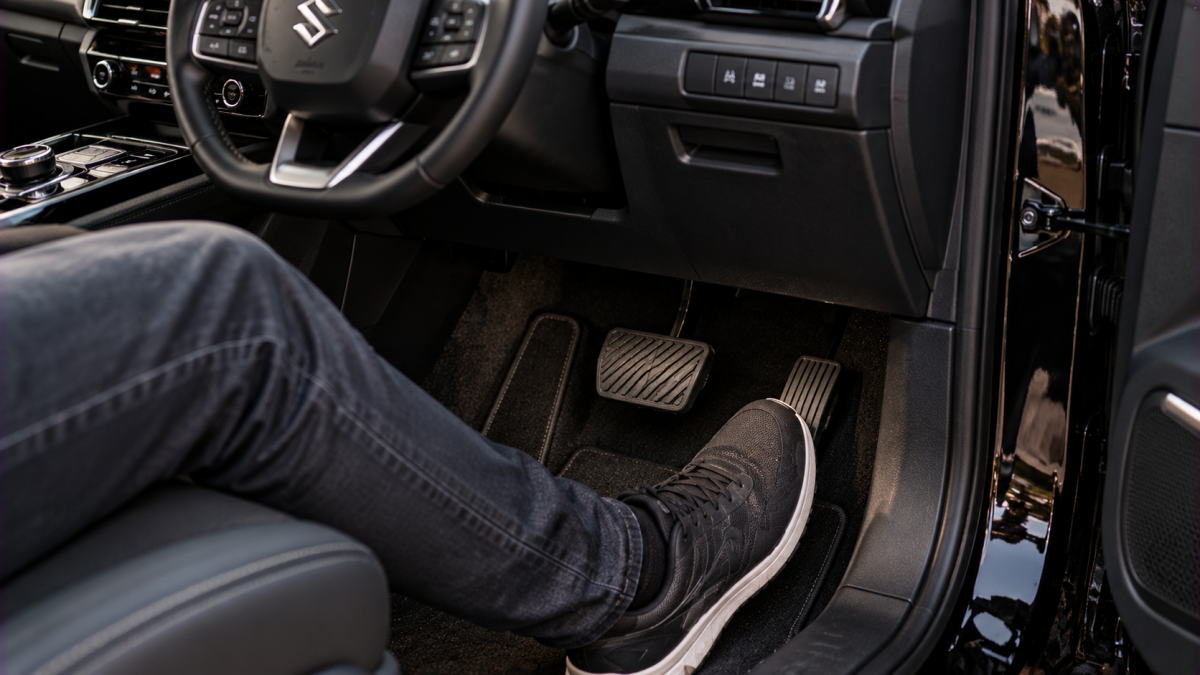
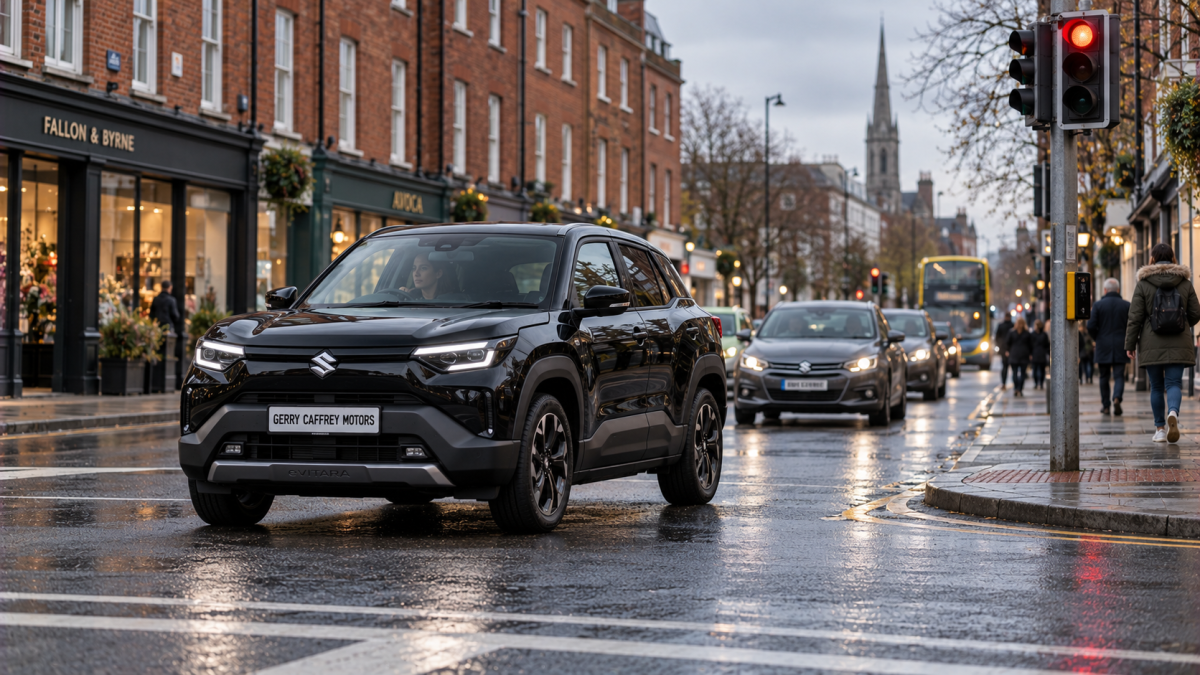
Switching to an electric car brings a few changes to the way you drive. One of the most talked-about features is one-pedal driving, and it's something worth understanding if you're considering the new Suzuki e VITARA.
For drivers around Dublin, South Dublin and beyond, regenerative braking can make everyday journeys feel smoother and more relaxed. But does the Suzuki e VITARA offer true one-pedal driving, and how does the technology actually work?
At Gerry Caffrey Motors in Terenure, Dublin 6W, we know that moving from petrol or hybrid motoring to a fully electric SUV raises plenty of practical questions. Here's what buyers should understand before getting behind the wheel.
What Is One-Pedal Driving in an Electric Car?
One-pedal driving is a feature found in some electric vehicles that allows drivers to control much of their acceleration and deceleration using the accelerator pedal.
Press the accelerator and the car moves forward. Ease off, and the electric motor helps slow the vehicle through regenerative braking.
Depending on the vehicle, the system may slow the car significantly or even bring it to a complete stop without the driver pressing the brake pedal.
It's particularly useful in stop-start traffic, where constantly switching between the accelerator and brake can become tiring.
However, not every electric vehicle with regenerative braking offers full one-pedal driving. That's an important distinction when comparing electric SUVs.
Does the Suzuki e VITARA Have One-Pedal Driving?
The Suzuki e VITARA uses regenerative braking technology to recover energy during deceleration. However, buyers shouldn't automatically assume that regenerative braking means the vehicle can be driven entirely with one pedal.
The precise level of deceleration, available regenerative braking settings and whether the vehicle can come to a complete stop without the brake pedal depend on the model's specification and control system.
For Irish buyers, it's important to confirm the functionality of the specific e VITARA version being considered rather than relying on descriptions of other electric cars.
Regenerative Braking vs Full One-Pedal Driving
The difference is straightforward.
Regenerative braking helps slow an electric vehicle while recovering some of the energy that would otherwise be lost during deceleration.
Full one-pedal driving goes a step further. In vehicles equipped with this feature, lifting off the accelerator can bring the car to a complete stop under normal driving conditions.
Both technologies can make electric driving more convenient, but neither removes the need for conventional brakes.
Even when a vehicle offers full one-pedal operation, drivers must remain ready to use the brake pedal.
For anyone considering the Suzuki e VITARA in Ireland, understanding that difference will help set realistic expectations for the driving experience.
How Does Suzuki e VITARA Regenerative Braking Work?
Regenerative braking is one of the features that makes electric driving different from traditional petrol motoring.
When you lift your foot off the accelerator, the electric motor can operate as a generator. Instead of allowing all the vehicle's kinetic energy to be lost as heat through the brakes, the system converts some of it into electrical energy.
That recovered energy is sent back to the battery, helping improve efficiency.
Why Regenerative Braking Matters on Irish Roads
Think about a typical journey from Terenure into Dublin city centre.
Between traffic lights, pedestrian crossings, roundabouts and slower-moving traffic, you'll spend plenty of time accelerating and decelerating.
Regenerative braking can recover energy during those repeated slowdowns. It may also reduce how often you need to apply the conventional brakes, depending on traffic conditions and how the system is configured.
On longer motorway journeys, where speeds are steadier, there are generally fewer opportunities to recover energy.
Does Regenerative Braking Increase Electric Range?
It can help maximise the energy available from the battery, particularly in urban driving.
However, the actual benefit depends on several factors, including driving style, traffic conditions, temperature, battery charge level and road gradients.
It isn't a substitute for charging, and it doesn't recover all the energy used during acceleration.
For Irish drivers, smooth acceleration, sensible speeds and anticipating traffic remain some of the most effective ways to improve EV efficiency.
Suzuki EV Driving Modes: What Should Buyers Know?
Driving modes can change how an electric vehicle responds to accelerator inputs and how it manages power delivery.
The Suzuki e VITARA offers NORMAL, ECO and SPORT driving modes, giving drivers different options depending on road conditions and driving preferences.
Understanding these settings can help buyers get more comfortable with the Suzuki EV driving experience.
NORMAL Mode for Everyday Driving
NORMAL mode is designed to provide balanced performance for regular journeys.
For drivers travelling through Rathmines, Rathfarnham, Templeogue or Terenure, predictable acceleration and smooth power delivery can make the transition to electric motoring feel more natural.
It's a useful starting point for anyone experiencing a fully electric Suzuki for the first time.
ECO Mode for Efficient Driving
ECO mode focuses on energy-efficient driving by adjusting the vehicle's response.
This can be particularly useful for everyday commuting, where smooth acceleration and sensible energy use are priorities.
However, actual driving range will still depend on speed, traffic, temperature and other conditions.
SPORT Mode for Responsive Performance
SPORT mode provides a more responsive driving feel, allowing drivers to experience the immediate power delivery associated with electric motors.
That doesn't mean it's the best setting for every journey.
For most daily trips around South Dublin, comfort, smoothness and efficiency will usually matter more than maximum responsiveness.
What Is the Suzuki e VITARA Like to Drive in Irish Weather?
Irish weather can change quickly, especially during autumn and winter. Heavy rain, cold mornings and slippery roads all influence how a vehicle behaves.
Electric cars are designed with braking and stability systems to help drivers maintain control, but regenerative braking still needs to be understood as part of the overall driving experience.
Regenerative Braking on Wet Roads
On wet or slippery surfaces, the vehicle's control systems may manage regenerative braking to support traction and stability.
Drivers should still maintain appropriate following distances and avoid sudden acceleration or braking.
Whether you're travelling along the N11 or navigating residential streets in South Dublin, smooth driving is especially important in poor weather.
Cold Weather and Battery Performance
Lower temperatures can affect electric vehicle efficiency and the amount of regenerative braking available.
For example, regeneration may be limited when the battery is very cold or close to fully charged.
This is normal EV behaviour, although the precise response depends on the vehicle's battery management system.
For buyers new to electric motoring, it's worth discussing winter range expectations, charging habits and battery management before making the switch.
How Does the Suzuki e VITARA Compare With Petrol and Hybrid Suzuki Models?
If you're already familiar with Suzuki, you may be wondering how the electric e VITARA compares with the brand's established petrol and hybrid vehicles.
The driving experience is one of the biggest differences.
Suzuki e VITARA vs Suzuki Vitara
The Suzuki Vitara is a familiar choice for drivers who want a practical SUV with an elevated seating position and everyday versatility.
The fully electric e VITARA introduces a different powertrain, with electric motor response and regenerative braking rather than a conventional petrol-engine driving experience.
Both appeal to buyers looking for SUV practicality, but the best option depends on your mileage, charging access and driving preferences.
Suzuki e VITARA vs Suzuki Swift
The Suzuki Swift remains an attractive option for drivers who prioritise compact dimensions and easy city driving.
The e VITARA offers an electric SUV alternative for buyers looking to move away from petrol motoring.
If most of your driving involves short journeys around Dublin, comparing the running costs, purchase prices and everyday convenience of both vehicles is worthwhile.
Suzuki e VITARA vs Suzuki S-Cross
The Suzuki S-Cross is another option for motorists seeking practical family transport.
Drivers considering an upgrade should compare cabin space, equipment, driving characteristics and overall ownership costs rather than focusing on the powertrain alone.
At Gerry Caffrey Motors, we often see how important it is for customers to choose a car that suits their actual driving routine, not simply the latest technology.
Is One-Pedal Driving Better for Dublin Traffic?
For some drivers, strong regenerative braking makes urban journeys feel more convenient.
Dublin's frequent junctions, traffic lights and congested routes create plenty of opportunities for controlled deceleration.
But whether one-pedal driving feels better is largely a matter of preference.
Some motorists enjoy lifting off the accelerator to slow down. Others prefer a more familiar coasting sensation and conventional brake-pedal control.
In our experience, the best way to understand an unfamiliar driving system is to experience it on roads similar to those you use every day.
A proper test drive should include slower streets, roundabouts and a stretch of faster road where practical.
Is Regenerative Braking Safe?
Regenerative braking is a normal part of modern electric vehicle operation, but it doesn't replace the conventional braking system.
The brake pedal remains essential for emergency stops, rapid deceleration and situations where regenerative braking alone isn't sufficient.
Drivers should also remember that regenerative braking strength can vary depending on battery conditions and the vehicle's control systems.
Does Regenerative Braking Reduce Brake Wear?
Because regenerative braking can handle some of the deceleration that would otherwise rely on friction brakes, it may reduce brake pad and disc wear.
However, conventional brakes still require regular inspection and maintenance.
In Ireland, where wet weather and road salt can contribute to corrosion, brake condition remains particularly important.
For older vehicles subject to the NCT, braking performance is also an important part of roadworthiness testing.
Buying a Suzuki e VITARA in Ireland: Costs and Practical Considerations
Beyond the driving experience, Irish buyers should consider the full cost of ownership.
That includes the purchase price, charging arrangements, insurance, motor tax, servicing and potential trade-in value.
VRT and Irish EV Rules
Vehicle Registration Tax (VRT) and any available electric vehicle reliefs can affect the price of a new or imported electric car.
Eligibility, relief amounts and thresholds can change, so buyers should check the current Revenue rules rather than assume that every EV receives the same treatment.
It's also worth considering whether any applicable government incentives or charging supports could affect the overall cost of switching to electric.
New vs Used Electric Cars
A new electric SUV can appeal to buyers looking for current technology, manufacturer warranty coverage and a vehicle that meets their preferred specification.
A used EV may offer a lower initial purchase price, although battery condition, remaining warranty, charging compatibility and service history deserve careful attention.
When comparing new and used vehicles, it's also worth considering the premium used stock available from an established Dublin dealership.
Finance and Trade-In Options
If you're moving from a Suzuki Vitara, Swift, S-Cross or another vehicle, your existing car's trade-in value could help reduce the amount you need to finance.
Finance options can also make it easier to compare monthly ownership costs, provided you consider the deposit, interest, total repayable and any final payment.
At Gerry Caffrey Motors, the aim is to help customers find a practical vehicle and ownership arrangement that fits their needs.
Additional Features and Practicality of the Suzuki e VITARA
The Suzuki e VITARA range includes models with two battery sizes: 49kWh and 61kWh, offering different ranges and power outputs. The 49kWh battery provides a range of 344 km, while the 61kWh battery can achieve up to 395 km in the dual-motor version. The maximum range of the e Vitara is 426 km.
Charging from 10% to 80% takes approximately 45 minutes with a 70kW charger, making recharging convenient for most daily driving needs.
The rear seats slide up to 160mm and recline in ten positions, providing flexibility and comfort for passengers.
The vehicle offers up to 562 litres of boot space, giving ample room for luggage and groceries.
It also has two ISOFIX positions for child seats, enhancing family safety and convenience.
The vehicle features a power adjustable driver's seat, heated front seats, and a heated steering wheel for enhanced comfort.
Safety is an impressive level in the e VITARA, with advanced driver assistance systems including blind-spot monitoring, rear cross traffic alert, lane keep assist, and a rear view camera.
The Suzuki e Vitara received a four-star Euro NCAP rating and scored 85% in the child occupant category, reflecting its commitment to occupant safety.
Keyless entry and start add convenience, while front and rear parking sensors assist in tight spaces.
Inside, the cabin benefits from 12-colour ambient interior lighting and an optional premium audio system with a boot-mounted subwoofer.
The Easy Operation Pedal system allows drivers to adjust regenerative braking strength through three levels, helping to optimize energy recovery and driving feel.
Discover the Suzuki e VITARA at Gerry Caffrey Motors Dublin
Understanding Suzuki e VITARA one-pedal driving and regenerative braking is an important part of deciding whether an electric SUV suits your lifestyle.
The biggest takeaway is that regenerative braking can make everyday electric driving smoother and more efficient, but it's not the same as having a vehicle that stops completely using only the accelerator pedal.
Whether you're comparing the e VITARA with a petrol or hybrid Suzuki, exploring premium used cars or considering your next upgrade, choosing the right vehicle starts with understanding your everyday driving needs.
At Gerry Caffrey Motors, we're here to help you explore the Suzuki range, compare available models and discuss practical finance and trade-in options.
Thinking about upgrading to a Suzuki? Visit Gerry Caffrey Motors in Terenure, Dublin 6W, and speak with our team about finding the right car for your next journey.