Suzuki e VITARA EV Battery Percentage vs Range: Why Can They Tell Different Stories?
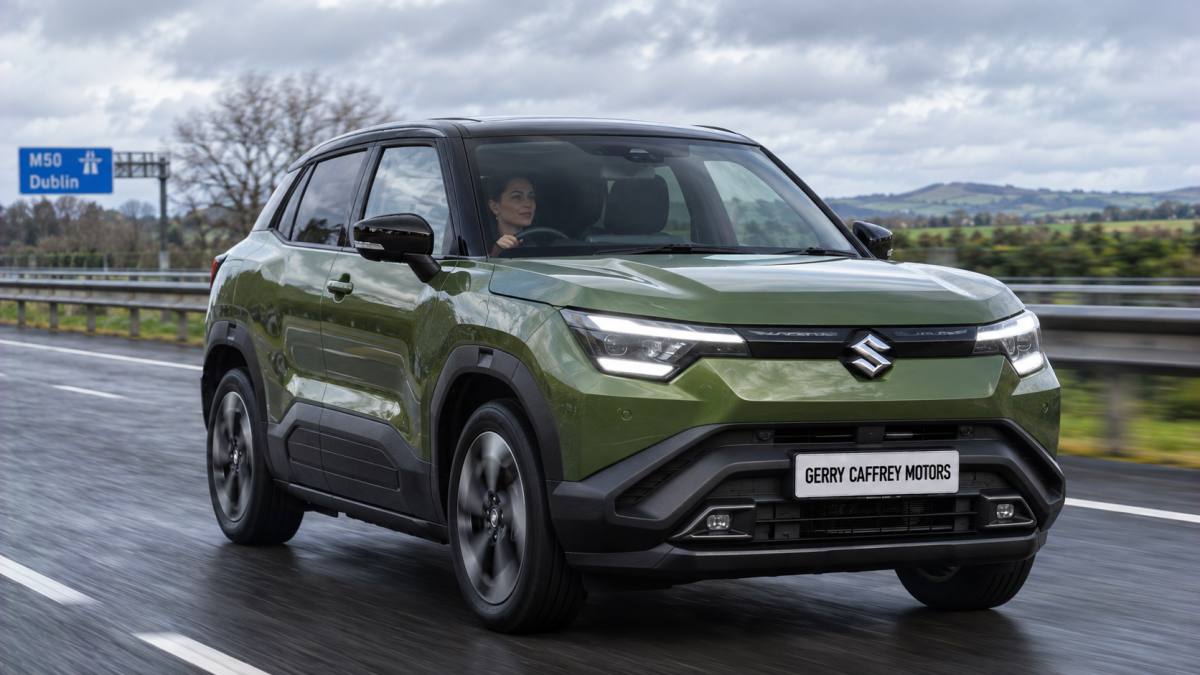
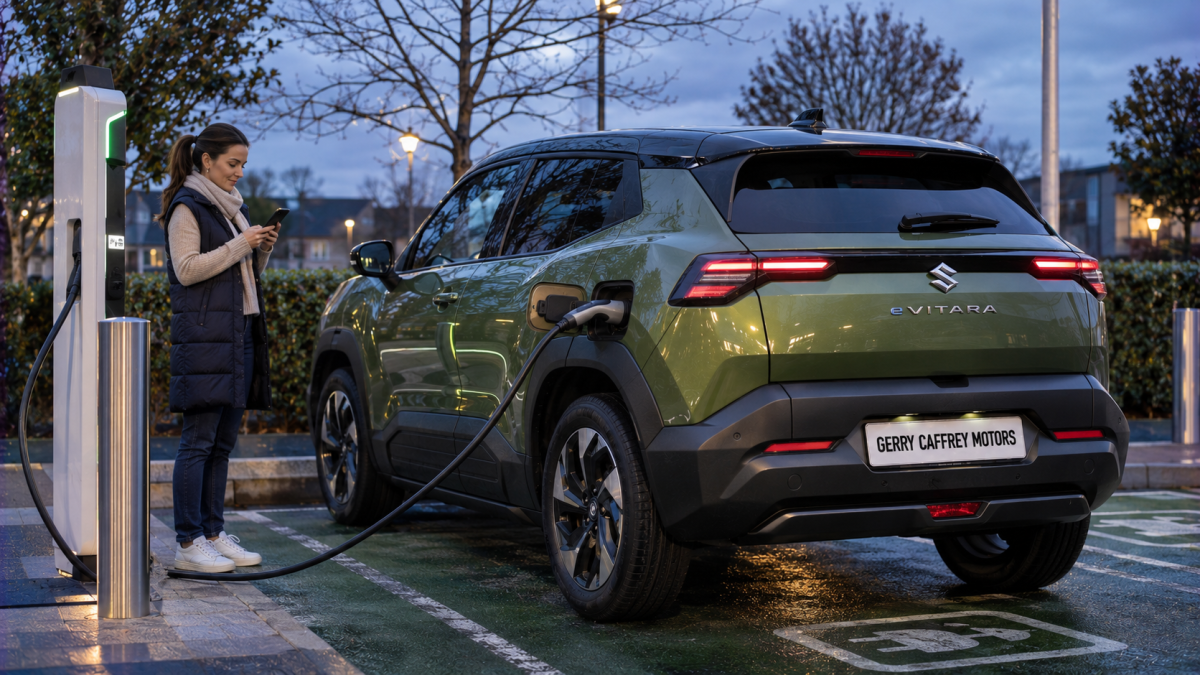
You get into your Suzuki e VITARA, check the dashboard and notice something unusual. The battery percentage looks healthy, but the estimated driving range is lower than you expected.
Does that mean there's something wrong with the battery? Is your electric SUV using more electricity than it should?
Not necessarily.
The Suzuki e VITARA battery percentage and estimated range tell two different stories. In short, ev battery percentage vs range means battery percentage shows roughly how much usable charge is left, while estimated range predicts how far that charge is likely to take you based on current driving conditions and energy use. For Suzuki e VITARA drivers and buyers in Dublin and South Dublin, understanding that difference makes journey planning easier and sets more realistic expectations in Dublin traffic, on Irish motorways and in our unpredictable weather.
This guide explains what changes your range, how to get more reliable estimates, what battery health and degradation actually mean, and which charging habits and day-to-day ownership tips help you use the Suzuki e VITARA with more confidence in Irish driving conditions.
Suzuki e VITARA Battery Percentage vs Estimated Range: What's the Difference?
Your Suzuki e VITARA dashboard displays two important figures: the battery's state of charge and the estimated distance you can travel before needing to recharge.
Although they're closely connected, they measure different things.
What Does EV Battery State of Charge Mean?
The EV battery state of charge (SoC) tells you approximately how much usable battery energy remains, expressed as a percentage. Battery percentage measures energy remaining relative to the vehicle's usable capacity.
Think of it like the fuel gauge in a petrol Suzuki Vitara or Swift. If your battery shows 70%, it means approximately 70% of its usable charge remains. It doesn't automatically mean you'll achieve 70% of the vehicle's official advertised driving range.
For instance, a 60 kWh battery at 50% charge holds about 30 kWh of usable energy. The actual driving distance depends on how efficiently the vehicle uses that energy, as well as speed, temperature and terrain.
What Does the Suzuki e VITARA Range Display Tell You?
The Suzuki e VITARA range display estimates how many kilometres you can travel using the energy currently available. A simplified estimate multiplies remaining usable energy by vehicle efficiency. The vehicle uses recent driving data and conditions to predict efficiency, so the estimate can change as circumstances change.
For example, your dashboard might show 65% battery remaining with an estimated 190km of range. After efficient urban driving, that estimate could improve. Following a long motorway journey, it might decrease. Neither situation automatically indicates a battery problem.
Why Does Your Suzuki e VITARA Estimated Range Change?
Electric vehicle range isn't fixed. It changes according to how much energy your vehicle needs to travel, maintain cabin comfort and operate its electrical systems. Several everyday factors influence the range displayed on your dashboard.
Irish Weather and Cold Temperatures
Anyone driving around Dublin knows that Irish weather can change quickly. A mild afternoon in South Dublin can turn into a cold, wet evening, bringing lower temperatures, heavier rain and increased demand for cabin heating.
Cold weather can affect battery efficiency, while heating the cabin and demisting the windows require additional electricity. Depending on the vehicle and conditions, cold weather can reduce an EV's range by around 15% to 30%. This is a general guide, not a Suzuki e VITARA specification. Your range estimate may therefore decrease in winter even when the battery percentage remains relatively high. Reduced range and slower charging in cold weather are normal battery-chemistry effects, not necessarily a sign of battery damage.
Hot weather can also affect battery health and energy use, particularly when cooling systems are working hard or the vehicle is repeatedly exposed to high temperatures. Battery management systems monitor temperature and charge levels to help protect the battery.
Where your vehicle and charging setup support it, preheating the cabin while plugged in can reduce the battery energy needed for initial heating. Understanding seasonal differences helps drivers feel more confident about the switch to electric.
Motorway Driving and Higher Speeds
Imagine leaving Terenure, joining the M50 and continuing towards the M7, although a cross-country route through Celbridge and Newcastle can sometimes be quicker outside peak times. At motorway speeds, your Suzuki e VITARA needs more energy to overcome aerodynamic resistance. Higher speeds create substantial aerodynamic drag, so the vehicle generally consumes more electricity per kilometre.
The estimated range may fall more quickly during sustained motorway driving than on slower journeys around Rathfarnham, Templeogue or Dundrum. For electric SUV driving in Ireland, understanding the difference between urban and motorway efficiency is particularly useful.
Your Recent Driving Habits
Your electric car range estimate can reflect how you've been driving recently. Frequent acceleration, rapid changes in speed and high energy consumption may influence the predicted distance remaining. Rapid acceleration uses more power than gradual driving.
If you then switch to smoother, more efficient driving, the estimated range may improve. Compare the displayed range with official specifications only with recent driving conditions in mind. The displayed range is a prediction, not a guarantee.
Heating, Air Conditioning and Electrical Features
Your Suzuki e VITARA uses electricity for more than moving the vehicle. Cabin heating, air conditioning, window demisting and other onboard electrical systems all contribute to energy consumption.
On a cold Dublin morning, warming the cabin and clearing the windscreen can noticeably affect estimated range. You shouldn't compromise on comfort or visibility; instead, allow additional charging flexibility in colder weather and use the range display as a guide.
Hills, Tyres and Vehicle Load
A journey through Dublin city traffic isn't the same as travelling through the Wicklow Mountains with passengers and luggage.
Climbing hills requires additional energy, while descending can allow regenerative braking to recover some electricity. Tyre pressure, road surfaces and vehicle weight can also influence efficiency. Keeping tyres correctly inflated and following Suzuki's recommended pressures can help maintain consistent energy consumption.
Can Your Battery Percentage Stay High While Your Range Drops?
Yes. It's perfectly normal for the two figures to change at different rates.
Imagine your Suzuki e VITARA shows 80% battery with an estimated 240km of range after several days of local driving. You then head onto the motorway in cold, wet weather. As you drive, the battery percentage gradually decreases because electricity is being consumed. The estimated range may fall more sharply because the vehicle is predicting higher energy use per kilometre.
After returning to slower, more efficient driving around South Dublin, the estimate may improve relative to the remaining charge. These figures are illustrative, not official Suzuki e VITARA range specifications.
The distinction is simple: battery percentage indicates approximately how much charge remains, while estimated range predicts how far that charge might take you.
Is the Suzuki e VITARA Range Display Accurate?
The Suzuki e VITARA range display helps you plan journeys, but no electric vehicle can predict every driving condition perfectly. Actual driving range depends on temperature, speed, terrain, driving style and electrical demand.
Official electric vehicle range figures are generally measured using the Worldwide Harmonised Light Vehicle Test Procedure, commonly known as WLTP. WLTP provides a standardised way to compare vehicles under controlled testing conditions. Real-world driving across Ireland can produce different results.
Official WLTP Range vs Real-World Irish Driving
A published WLTP range isn't necessarily the distance you'll achieve on every journey. A driver spending most of their time around South Dublin may experience different energy consumption from someone regularly travelling between Dublin and Cork.
Heavy motorway driving may use more electricity than lower-speed urban journeys. Neither driving pattern is wrong; both influence how efficiently an electric vehicle uses its available energy. That's why your Suzuki e VITARA range display may differ from the official advertised range.
How to Get More Reliable Range Estimates From Your Suzuki e VITARA
You don't need to completely change your driving routine to enjoy more predictable electric vehicle range. A few practical habits can make everyday EV ownership easier.
Drive Smoothly and Anticipate Traffic
Gentle acceleration and anticipating traffic can help reduce unnecessary energy consumption. This is particularly useful around busy Dublin routes where stop-start traffic is common.
Regenerative braking can recover some energy during deceleration, although it doesn't replace all the electricity used while accelerating. Over time, smoother driving can support more consistent energy consumption.
Check Your Tyre Pressures Regularly
Underinflated tyres increase rolling resistance, meaning your vehicle may need more energy to travel the same distance. Check tyre pressures when the tyres are cold and follow the manufacturer's recommendations. It's a simple maintenance habit that supports efficiency, tyre life and road safety.
Plan Longer Journeys With Charging Stops
If you're travelling beyond Dublin, check your route and identify suitable charging locations before setting off. Avoid planning a journey around using every last kilometre shown on the dashboard, and don’t let the battery get too close to zero before charging, especially on longer trips. A sensible range buffer helps account for changing weather, traffic and unexpected detours.
Fast chargers are useful for longer journeys when you need to add energy during a trip. Charging is generally fastest when the battery is between about 10% and 80%, although speed depends on the vehicle, charger and conditions. Don't delay charging if your route or circumstances call for it.
Understand Your Vehicle's Energy Consumption
Where available, use your Suzuki e VITARA's energy consumption information to understand how different journeys affect efficiency. Over time, you'll develop a clearer picture of the range you can expect during your normal driving routine. For many owners, this becomes more useful than focusing on one estimated range figure.
Does a Lower Estimated Range Mean Your EV Battery Is Degrading?
Not necessarily. This is one of the most important things to understand about electric vehicle ownership.
Battery degradation is a gradual reduction in the battery's ability to store energy over time. Battery age can reduce maximum capacity and eventually affect range, but a changing estimate can simply reflect recent driving conditions, weather or electrical consumption.
If your estimated range decreases during a cold motorway journey, that doesn't automatically mean your battery has lost capacity. If you notice a persistent, unexplained reduction in usable range, unusual charging behaviour or a dashboard warning, arranging a professional inspection is sensible.
For anyone considering a used electric vehicle, battery condition, service history and remaining manufacturer warranty coverage are important factors to investigate. A battery health report, where available, can provide useful information for a buyer and may help prove good battery condition and support resale value. Historical battery results can demonstrate degradation over time more persuasively than a single reading. Evidence about battery condition can help buyers make a more informed decision; don't rely on a seller's claim alone. A battery check is an investment in information, not a guarantee of a particular resale price.
Charging, Battery Life and Battery Health: Practical Habits for Everyday Use
Most EVs use lithium-ion batteries, the same broad technology used in a smartphone, but a car's battery pack is much larger and managed by dedicated vehicle systems. Most EVs also retain a small hidden energy reserve, so a displayed 0% does not necessarily mean every bit of energy is gone. That reserve is a safety measure, not a reason to routinely drive to empty. Some EVs may limit performance when charge falls below roughly 5% to 10%; exact behaviour varies by model.
For everyday use, many manufacturers recommend keeping charge levels between about 20% and 80% where practical, and saving a full charge for a longer journey when needed. Avoiding frequent deep discharges and repeated full cycles can help reduce battery stress. Regular moderate charging is generally preferable, as EV batteries respond better to steady top-ups than repeated swings between very low charge and full. For many drivers, that day-to-day pattern means routine charging in the 20% to 80% range, which can help extend lifespan and performance.
Home charging typically uses slower overnight AC charging. For many owners, plugging in at home is convenient and gentler on the battery than relying on frequent high-power fast charging. Home charging can support battery health over time, depending on the vehicle and settings. You don't need to charge to 100% every night; follow the owner's manual and set a suitable daily limit if your vehicle allows it. A home charger may also offer scheduled charging features.
Keep the battery within safe temperature limits where possible, and use the vehicle's battery management software or available display information to monitor charge levels and temperature. If the vehicle will be unused for an extended period, storing it at around 50% charge can help preserve battery life. The Battery Management System automatically manages and protects the battery; owners don't need to control individual cells. Charging guidance can differ by model and battery chemistry, so check the owner's manual for your Suzuki's recommendations.
Is the Suzuki e VITARA Practical for Everyday Driving in Dublin?
For many motorists, an electric SUV can be a practical choice for everyday driving around Dublin and South Dublin. Think about a typical week involving commuting through Terenure, shopping in Dundrum, school runs around Rathfarnham and occasional journeys along the M50.
An electric vehicle can be particularly convenient when you have access to suitable home or workplace charging. The Suzuki e VITARA introduces a fully electric option for drivers who appreciate the practicality and versatility associated with Suzuki's SUV range.
If you're currently driving a petrol or hybrid Suzuki Vitara, switching to electric involves a different approach to refuelling, journey planning and energy management. Understanding how battery percentage and estimated range work together can make that transition easier.
Suzuki e VITARA vs Petrol and Hybrid Suzuki Models
Not every driver is ready to switch to a fully electric vehicle, and that's perfectly reasonable. The right Suzuki depends on annual mileage, charging access, budget and everyday driving requirements.
The Suzuki e VITARA offers an electric SUV option for motorists interested in moving away from petrol or hybrid motoring. The Suzuki Vitara remains appealing for drivers who want SUV practicality with conventional refuelling. The Suzuki Swift suits motorists looking for a compact, practical car for urban driving and everyday journeys. Meanwhile, the Suzuki S-Cross offers another versatile SUV-style option for drivers who value interior space and flexibility.
At Gerry Caffrey Motors, we believe choosing the right vehicle starts with understanding how you'll actually use it. A driver covering short daily journeys around Dublin may have very different priorities from someone regularly travelling across Ireland. Consider both new and quality used Suzuki options before making your decision.
What About EV Ownership Costs, VRT and NCT in Ireland?
When considering Suzuki e VITARA ownership, look beyond the battery percentage and estimated range. Electric vehicle running costs depend on your electricity tariff, charging arrangements, annual mileage and insurance. Irish registration and taxation requirements also matter.
VRT and Revenue Rules for Electric Vehicle Ownership
Vehicle Registration Tax, or VRT, is relevant when registering vehicles in Ireland, particularly imported vehicles. Qualifying electric vehicles may benefit from specific VRT reliefs, subject to current Revenue rules, vehicle eligibility and applicable limits. These conditions can change, so check the latest Revenue guidance before purchasing or importing a vehicle.
NCT Requirements for Electric Vehicles
Electric vehicles are subject to Ireland's National Car Test requirements when applicable. Although fully electric vehicles don't have conventional exhaust systems, tyres, brakes, suspension, lighting and other safety-related components still require attention.
Regular maintenance remains important, even when an electric vehicle has fewer conventional engine-related service items. Keeping your vehicle properly maintained supports safety, reliability and long-term ownership confidence.
Thinking About Buying a New or Used Suzuki?
Whether you're interested in a new Suzuki e VITARA or exploring a quality used Suzuki, consider the full ownership picture: purchase price, running costs, finance options and the trade-in value of your current vehicle.
At Gerry Caffrey Motors in Terenure, Dublin 6W, we understand that changing cars is a significant decision. For some drivers, a new electric Suzuki could be the right next step. Others may find that a carefully selected used Suzuki Vitara, Swift or S-Cross better suits their needs.
Exploring available approved used stock, finance options and potential trade-in arrangements can help you make an informed decision. In a competitive used-EV market, a measured battery health report can help a private seller stand out. With the seller's agreement, a buyer can bring the car for a battery check before purchase, and the report can often be completed the same day for added reassurance. The most important thing is finding a vehicle that fits your lifestyle, driving habits and budget.
Discover Your Next Suzuki at Gerry Caffrey Motors in Terenure
The biggest thing to remember is that Suzuki e VITARA battery percentage and estimated range tell different, equally useful stories. One shows approximately how much battery charge remains. The other predicts how far that energy may take you based on expected driving conditions.
Once you understand the difference, electric vehicle ownership becomes easier to plan around, whether you're commuting across Dublin, travelling along the M50 or heading further afield.
Thinking about upgrading to a Suzuki? Visit Gerry Caffrey Motors in Terenure, Dublin 6W, to explore new and used Suzuki options and discuss available finance and trade-in opportunities. Our team is here to help you find a Suzuki that suits your driving needs, lifestyle and budget.