Suzuki e VITARA Charging Port Lock: What Happens if a Cable Won't Release?
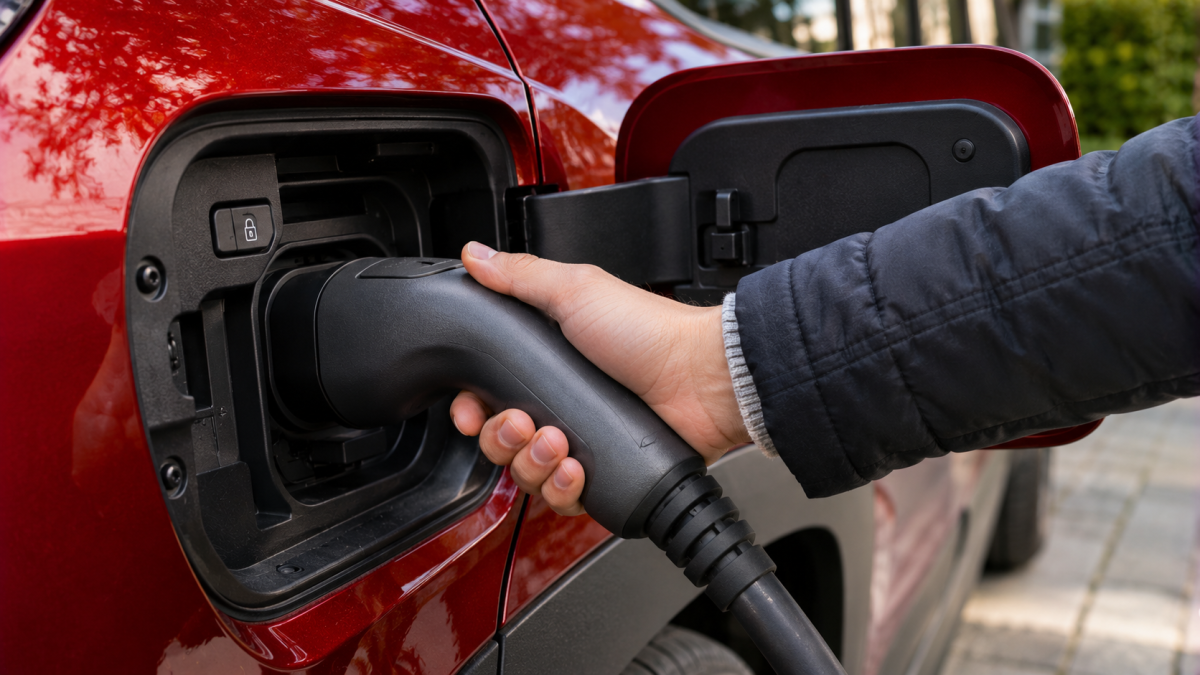
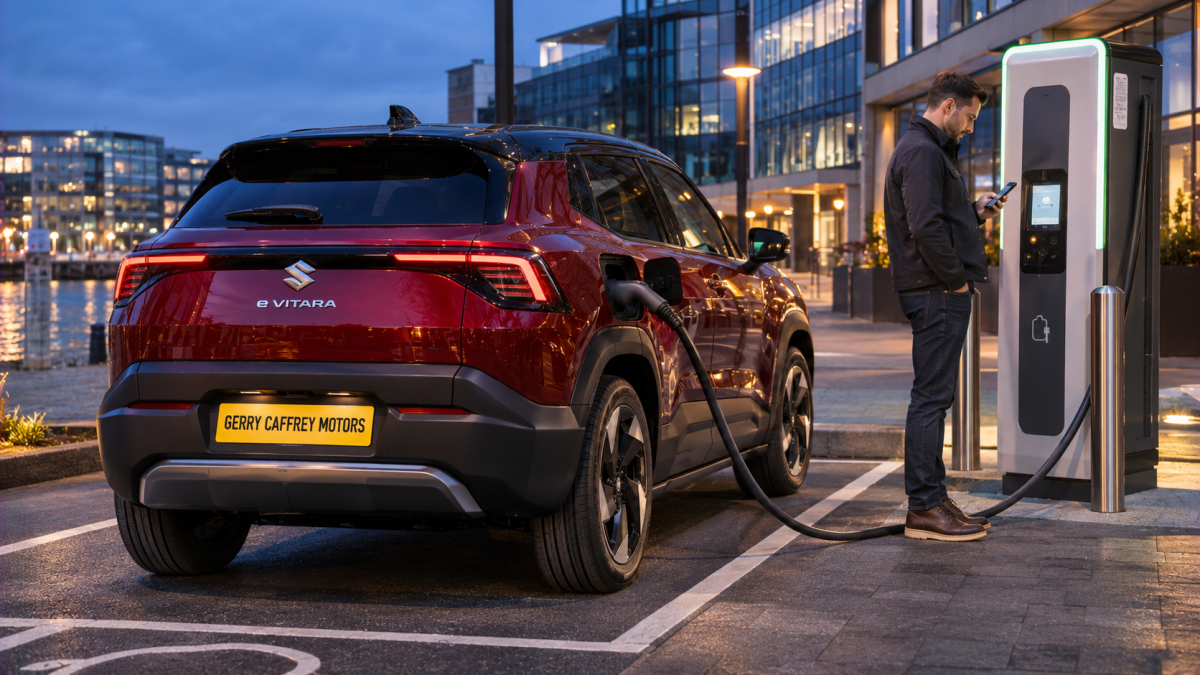
A charging cable that won't release from your Suzuki e VITARA can be frustrating, especially when you're trying to get moving on a busy Dublin morning. Whether you're charging at home in South Dublin or using a public charging station, a stuck cable is the last thing you need.
The good news is that a locked charging cable doesn't always mean there's a fault. In many cases, the Suzuki e VITARA charging port lock is doing its job by keeping the connector securely in place during a charging session.
If you find your suzuki e vitara charging cable stuck, check the charging session and vehicle locks before trying anything else. Never yank, twist or force the connector. The steps below explain how to release it safely and when to get help.
How Does the Suzuki e VITARA Charging Port Lock Work?
The Suzuki e VITARA uses a connector locking system to keep the charging cable securely connected while the vehicle is charging. Like many modern electric vehicles, it helps prevent accidental disconnection while power is flowing and can deter unauthorised removal at a public charger.
The connector may remain locked until the charging session has ended and the vehicle has received an unlocking command. A full battery or a charging speed that has slowed does not necessarily mean the session is finished: check the dashboard, charger display or relevant app for the session status.
Why Does the Charging Cable Lock Automatically?
The charging port lock is a safety feature. It helps prevent the connector from being removed unexpectedly while the vehicle is receiving power, and may also help protect the cable when you're charging away from home.
For motorists switching from a petrol Suzuki Vitara or Swift to an electric vehicle, automatic cable locking might initially seem unusual. However, it is a normal part of modern EV charging.
Why Won't My Suzuki e VITARA Charging Cable Release?
There are several possible reasons why a Suzuki e VITARA charging cable won't disconnect. Some relate to normal charging procedures; others may indicate an issue with the vehicle, cable or charging equipment.
The Charging Session Hasn't Fully Stopped
One common cause is trying to remove the connector before the car and charger have completed their shutdown process. Even if the battery has reached its target, the session may still be active on the charger side.
Check the vehicle dashboard, charging unit screen or app. At a public charger, end the session using the same method you used to start it, such as the operator's app, an RFID card or the station controls. Wait for confirmation that the session has ended before attempting to unplug.
The Vehicle Is Still Locked
The charging connector may remain secured while the vehicle's central locking system is active. Unlock the car using the Suzuki key fob or normal vehicle controls, then wait a few seconds for the lock mechanism to respond.
If the first attempt does not work, check the owner's manual for the correct sequence. Avoid rapidly repeating commands or pulling on the cable while the lock is engaged.
The Public Charging Station Hasn't Released the Connector
Public charging stations introduce another possible complication. The charger may need to complete its own disconnection procedure, even after the car has stopped receiving power.
Check the station display and the charging app on your phone. If you started the session with an RFID card, follow the operator's instructions to end it. If the cable remains locked at the charging point or the session will not close, use the support number shown on the station or in the app.
Cold Weather or Ice Is Affecting the Connection
Cold weather can cause moisture around the connector or charging socket to freeze and physically obstruct removal. Irish rain, road spray, dirt and winter frost can all affect equipment that is regularly parked outdoors.
Look for visible ice or debris without putting tools into the socket. If your vehicle has a charging-port warming function, use it only as described in the manual. Do not use hot water, sharp objects or improvised heat sources.
A Weak 12V Battery or Power Cut
The electronic lock depends on the vehicle's electrical systems. If the 12V battery is weak, the connector lock may not respond as expected. A power cut at a home charger or public charging point can also leave a cable locked, depending on the equipment's locking system.
Check the vehicle and charger status once power is restored, then repeat the normal session-ending and unlocking procedure. Do not open the wallbox or interfere with electrical wiring. Contact the charger operator or a Suzuki service professional if the lock remains engaged.
There's a Fault With the Charging Port Lock
A cable that repeatedly refuses to release may indicate a mechanical or electronic fault involving the connector, locking actuator or control system. Stop if you see damage, heat marks or a warning on the dashboard. Pulling repeatedly could damage the socket or cable.
How to Safely Release a Stuck Suzuki e VITARA Charging Cable
Work through the normal release steps without forcing the connector. The exact sequence can depend on the charger and vehicle configuration, so follow the owner's manual and charging operator's instructions.
1. Check That the Session Has Ended
Confirm on the dashboard, charger display or app that charging is no longer active. If it is still active, end the session using the appropriate control. A battery reaching its target percentage is not proof that the charger has closed the session.
2. Unlock the Suzuki e VITARA
Use the key fob or normal unlocking controls to unlock the vehicle. Wait a few seconds for the electronic lock to release. If necessary, follow the manual's instructions for repeating the unlock command.
3. Support the Cable and Keep It Aligned
If the cable is stretched tight or its weight is pulling sideways, support it to relieve strain on the connector. Keep the connector aligned with the socket; do not pull or twist the cable to try to free it.
4. Remove the Connector by Its Handle
Once the lock has released, hold the connector handle and pull it straight out. Stop if you feel resistance. Do not use pliers, screwdrivers or other tools, and do not touch the electrical contacts.
5. Contact Support if It Remains Stuck
If the connector still will not release after the session ends and the car is unlocked, check the owner's manual before considering an emergency release. For a public charger, contact the operator. For a recurring vehicle-side problem, contact a local dealer or authorised Suzuki service provider.
Does the Suzuki e VITARA Have an Emergency Charging Cable Release?
The Suzuki e VITARA has an emergency mechanical release for its charging connector. The release is located near the charging port, under the bonnet. Its position and operating steps can vary with vehicle configuration, so consult the owner's manual for the exact instructions before using it.
Use the emergency release only after confirming that the charging session has ended. Do not use it while power is flowing, and never pull an unidentified cable or dismantle the charging port. If the emergency release is needed repeatedly, have the lock mechanism checked by an authorised Suzuki technician.
Suzuki e VITARA Charging Problems in Ireland: What Should Drivers Know?
For drivers around Terenure, Rathfarnham, Dundrum and Templeogue, home charging can offer convenience. However, motorists travelling along the M50, N7 or M11 may also rely on public charging infrastructure, where payment and session controls differ between operators.
The Suzuki Connect app may provide useful vehicle information and connected services, but available functions can depend on the vehicle and account setup. Use the charger's own app or display to confirm that a public charging session has ended.
Home Charging vs Public Charging
Home charging often feels more predictable because you're familiar with the wallbox and its controls. Public charging can involve extra steps, including payment authentication, a charging app, an RFID card and communication between the vehicle and station.
If the cable is stuck at a public charger, identify which end is locked. On a DC rapid charger, the cable belongs to the station and connects to the car. With a separate Type 2 cable at an AC charger, either end may remain locked. This helps you decide whether to call the vehicle service team or the charging operator.
When calling support, note the station ID, connector used, error message and how you started the session. If the issue happens with one particular cable or charger, report that detail; it can help support identify the affected equipment.
Can Heavy Rain Affect Electric Car Charging?
Electric vehicles and compatible charging equipment are designed for normal outdoor weather conditions, including Irish rain. However, damaged connectors, contamination or standing water around faulty equipment can create safety risks.
Avoid using visibly damaged charging cables and never clean electrical contacts while equipment is connected. If you regularly park outdoors in South Dublin, check charging accessories for visible damage and keep the connector clean and dry as directed by the manufacturer.
How Can You Prevent Suzuki e VITARA Charging Port Lock Problems?
Develop a consistent routine: end the charging session, wait for confirmation, unlock the vehicle as instructed and remove the connector by its handle. Park close enough to the charging point so the cable is not stretched tight.
Check the connector and cable occasionally for cracks, deformation, dirt, heat marks or damaged insulation. Stop using equipment that appears damaged and contact the relevant support service. Learning the normal release procedure at home can make public charging less stressful.
Is a Suzuki e VITARA Charging Port Lock Fault Covered Under Warranty?
Warranty coverage depends on the vehicle's terms and the cause of the problem. A manufacturing fault may be treated differently from damage caused by misuse, impact or faulty external charging equipment.
Keep a note of warning messages, charging errors, when the cable failed to release and whether the problem occurred at home or at a public station. This report can give a technician useful insights into an intermittent fault. Arrange an inspection if the problem recurs or the normal release command stops working.
Is the Suzuki e VITARA a Good Electric SUV for Dublin Drivers?
The Suzuki e VITARA marks an important development in Suzuki's move towards fully electric motoring. Whether it suits you depends on your daily journeys, access to home charging, parking arrangements and longer-distance driving habits.
Someone commuting between Terenure and Dublin city centre may have different charging needs from a driver regularly travelling to Wicklow, Kildare or beyond. Range on a single charge varies with speed, temperature, load, driving style and accessories fitted, so consider your actual routine rather than relying on one figure.
Suzuki e VITARA vs Vitara Hybrid, Swift and S-Cross
Not every driver is ready to move to a fully electric vehicle. The Suzuki Swift Hybrid is a compact option for Dublin driving, while the Vitara Hybrid and S-Cross offer SUV practicality without relying on external charging.
For some households, home charging is straightforward; others may use on-street parking or travel regularly outside Dublin. At Gerry Caffrey Motors, we can help you compare new Suzuki models and approved used vehicles against your everyday needs.
Buying a New or Used Suzuki in Ireland: What Else Should You Consider?
Charging is only one part of ownership. Insurance, motor tax, finance, warranty coverage and long-term running costs are also worth considering. For used vehicles, check the service history, condition and applicable NCT requirements.
Incentives and tax arrangements, including any SEAI grant eligibility, can change. Confirm current requirements and grant availability through official sources before purchasing. If importing a vehicle, check Irish registration, VRT and Revenue requirements as well.
Suzuki Finance and Trade-In Options in Dublin
Choosing between a new electric Suzuki and a used hybrid often comes down to budget and driving needs. A trade-in could reduce the amount you need to finance, while PCP or hire purchase may let you spread the cost.
Look beyond the monthly repayment: consider the deposit, finance terms and total cost of ownership. Whether you're interested in an e VITARA, Swift, Vitara or S-Cross, the Gerry Caffrey Motors team can explain available options without pressure.
Get Expert Suzuki Advice at Gerry Caffrey Motors in Terenure
A Suzuki e VITARA charging cable that won't release can be inconvenient, but it doesn't necessarily mean there's a serious fault. The cause may be an active session, the vehicle's locking status, cold weather or the charging station rather than the car itself.
Follow the correct release procedure, avoid forcing the connector and seek professional assistance when necessary. Gerry Caffrey Motors helps Dublin motorists explore the Suzuki range, including the fully electric e VITARA, Vitara and S-Cross hybrids, and quality used Suzuki models.
Thinking about upgrading to a Suzuki? Visit Gerry Caffrey Motors in Terenure, Dublin 6W. Talk with the team about new Suzuki models, approved used cars, finance options and trade-ins, and find a vehicle suited to everyday driving on Irish roads.