Reversing Camera Guidelines Reset: Why Your Car’s Rear Camera Guidelines May Look Different After a Battery Reset
Have you replaced your car battery or had it disconnected during a service, only to notice that your reversing camera guidelines look different? A reversing camera guidelines reset is often needed after a battery reset or replacement, because the system can lose saved settings or need to reinitialise, especially if the dynamic guidelines rely on the steering angle sensor. The curved lines may have disappeared, the coloured markers may look misaligned, or the guidelines may no longer move when you turn the steering wheel.
This is a common concern with modern car electronics, and it doesn’t necessarily mean the camera is broken. For car owners, especially Suzuki drivers with models such as the Vitara, Swift, or S-Cross, understanding what changed matters because those guidelines help you judge space accurately when parking and reversing, and a display that suddenly looks wrong can reduce confidence and safety. At Gerry Caffrey Motors in Terenure, Dublin 6W, we know how useful a reliable reversing camera can be when parking in South Dublin or reversing out of a driveway on a wet Irish morning.
Here’s why the display may change after a battery reset, the difference between static and dynamic guidelines, the common causes including steering angle sensor recalibration, what you can safely check or reset yourself, Suzuki-specific points to be aware of, and when to arrange a professional inspection.
Why Do Rear Camera Guidelines Change After a Battery Reset?
A reversing camera is part of a wider electronic system. Depending on the vehicle, it may communicate with the infotainment system, steering angle sensor and parking assistance control modules. When the battery is disconnected, replaced or drained, some systems can lose saved settings or need to reinitialise.
You might see fixed lines instead of curved ones, different distance markers or no guidelines at all. The image may still be clear, and the camera may not need replacing. A setting may need restoring, or the system may need a diagnostic check or calibration.
Understanding Your Reversing Camera and Reversing Cameras Guidelines
Most modern reversing cameras combine a live video image with digital guidelines that help you judge the space behind your vehicle. Some vehicles also use parking sensors to provide audible warnings as you approach an obstacle.
Static vs Dynamic Parking Guidelines and Parking Sensors
Static guidelines stay in the same position and show an approximate reversing path and distance. Dynamic guidelines move as you steer, helping you visualise the direction the vehicle is expected to travel. These moving lines generally rely on information from the steering angle sensor.
After a battery reset, some vehicles need to reinitialise or relearn the steering wheel’s centre position. Until then, dynamic lines may appear fixed, inaccurate or unavailable. Not every vehicle has dynamic guidelines; even Suzuki Vitara models from different years can have different systems.
What Do the Coloured Lines Mean?
Green commonly indicates more space behind the vehicle, yellow suggests you are getting closer to an object, and red marks the nearest area. The distances aren’t universal, however, and depend on the vehicle, camera position and manufacturer settings. A slope or uneven road can also affect how distances look. Use mirrors and check your surroundings directly rather than relying only on the screen, as misleading images can make judging distance harder.
Five Reasons Guidelines Look Different After a Battery Reset
1. Infotainment Settings Have Returned to Default
Some infotainment systems store parking camera preferences alongside audio and display settings. Disconnecting the battery may restore defaults. If the picture remains clear but the guidelines look different, check the system settings while parked. Your vehicle may allow you to switch guidelines on or off, or select a camera view.
2. The Steering Angle Sensor Needs to Reinitialise
Vehicles with dynamic guidelines can use steering angle information to calculate the predicted reversing path. Certain models need to confirm the steering wheel’s centre position after a loss of power. Some use a manufacturer-recommended procedure; others require diagnostic equipment. Consult your owner’s manual rather than trying a generic reset.
3. Camera Calibration Needs Attention
Calibration helps ensure that the displayed view and guidelines correspond to the vehicle’s position. A battery change does not physically move the camera, but some systems may need reinitialisation after power loss. Recalibration may also be required after a rear-end collision, camera replacement, bumper repair or replacement, or certain steering repairs.
An impact can shift the camera even if the damage looks minor. Improper calibration can distort or misalign the image, making it harder to park safely and making the vehicle’s path appear different from reality, creating a safety risk. If the view is crooked or shifted, have the system inspected rather than relying on the lines.
4. Battery Voltage Is Still Low
Cold mornings, short journeys and frequent use of heaters, headlights and demisters place extra demands on a battery. A jump-start may get the engine running without fixing the underlying issue. Low or unstable voltage can affect modern electronics. If the screen flickers, settings keep resetting or other electrical features act up, ask a technician to check the battery and charging system.
5. There Is a Separate Camera or Electrical Fault
The timing may be coincidental. Damaged wiring, a loose connection, moisture, a blown fuse or an infotainment fault can disrupt the camera. Irish rain, road spray and winter grime can also affect a camera mounted on the bumper or tailgate. Inspecting the physical wiring connections and checking the relevant fuse are sensible diagnostic steps, but electrical work should be left to someone equipped to do it safely. You can still drive with a camera fault, but reversing without a properly working camera increases risk.
How to Fix Rear Camera Guidelines After a Battery Reset
Check Settings and the Owner’s Manual
With the car safely parked, check the infotainment settings for guideline visibility, camera views or display adjustments. Then consult the owner’s manual for battery replacement, camera operation and steering angle sensor initialisation. Procedures vary by manufacturer, model year and equipment level; a method that works on one Suzuki may not suit another. If you’re searching for a reversing camera guidelines reset, start with your vehicle’s handbook rather than a generic procedure.
Clean the Camera Lens
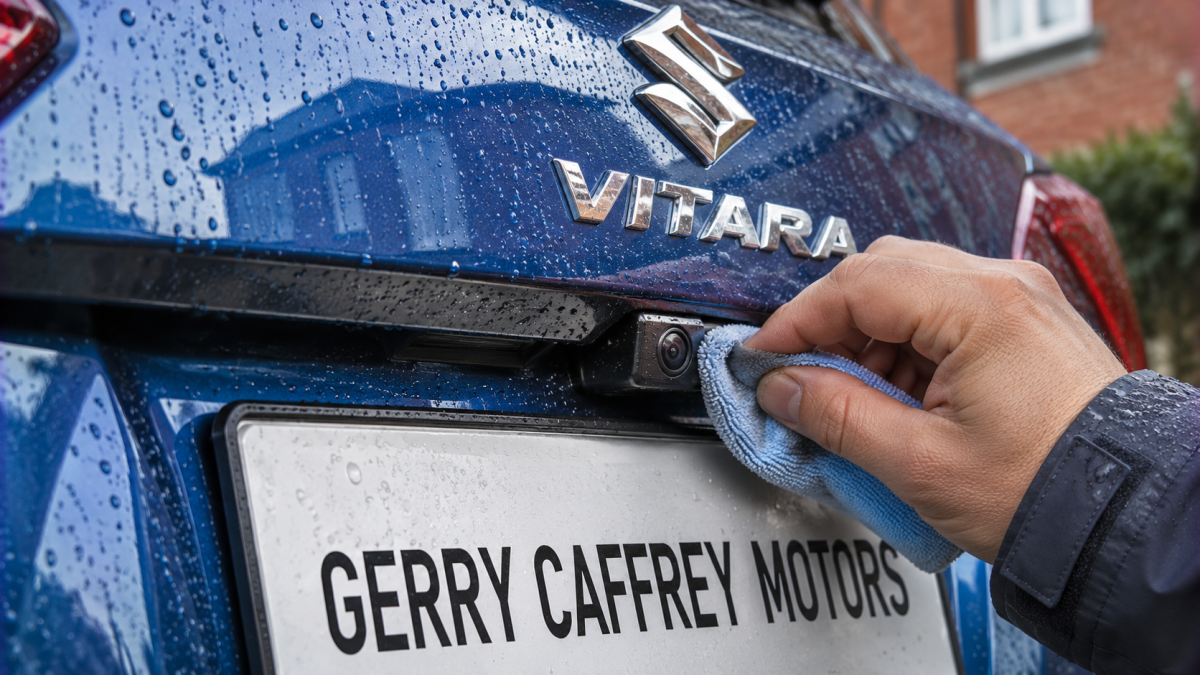
Rainwater, road salt and grime can make guidelines harder to interpret. Gently clean the lens with a soft, damp cloth. Then check the display on level ground in a clear, safe area. Reversing cameras provide a real-time view behind the vehicle and can help drivers spot hazards behind the vehicle, allowing them to reverse more safely, but they are driver-assistance tools—not a substitute for mirror checks or looking around before moving.
Try a Soft Reset if the Manual Recommends It
A soft reset of the infotainment system can clear temporary software errors without deleting saved data, and it may resolve many camera glitches. Follow the vehicle manufacturer’s instructions; controls and procedures vary. Avoid repeatedly disconnecting the battery or experimenting with hidden menus, as this could reset additional settings without fixing the issue.
Disconnecting a battery can reset vehicle electronics, but it must be done with caution. Secure the vehicle, switch it off and follow the manufacturer’s procedure. Incorrect handling can cause an electrical short or damage electronics. If you are unsure, arrange professional assistance rather than attempting it yourself.
Arrange a Diagnostic Check
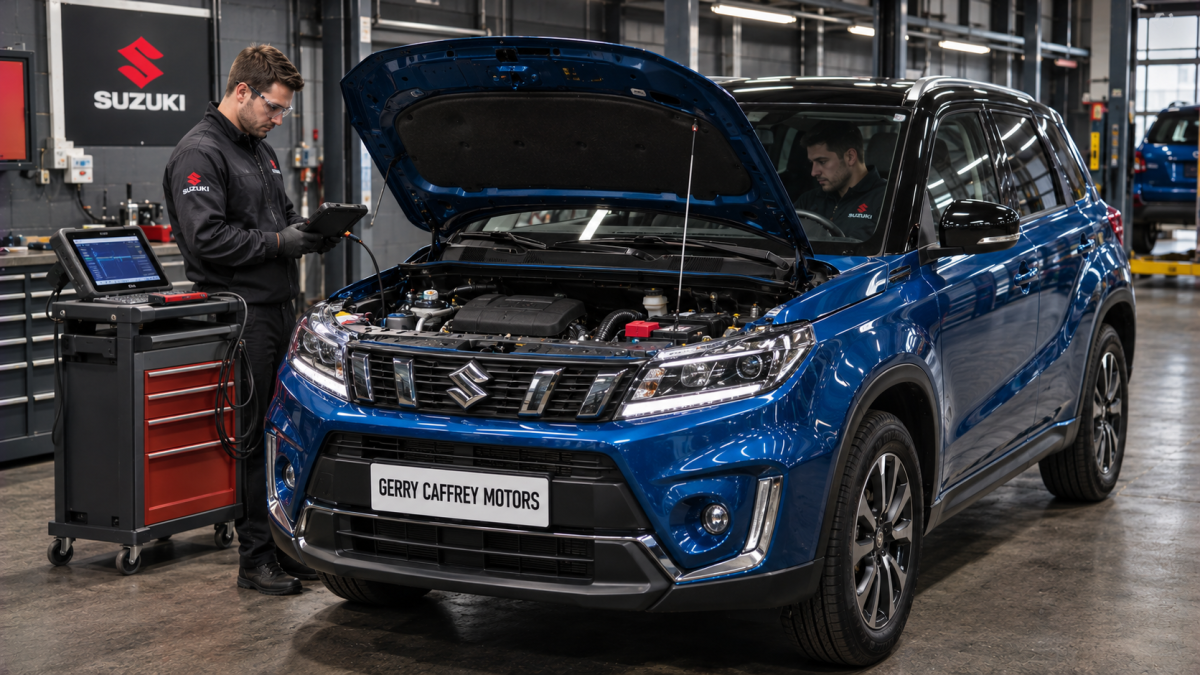
If the image is missing, guidelines remain inaccurate or warning lights appear, ask a qualified technician to conduct a diagnostic inspection. They can check battery voltage, fault codes, steering angle information, wiring and camera operation, then determine whether calibration or another repair is needed. Testing should be conducted in a safe, clear area, not in traffic or near pedestrians.
Suzuki Vitara, Swift and S-Cross Camera Systems
Suzuki models offer different combinations of practicality and driver assistance, depending on year and specification. Camera availability and functions vary, so check the handbook for your specific vehicle.
Suzuki Vitara
A reversing camera, where fitted, can help when manoeuvring into busy car parks or narrow residential streets around Terenure, Rathfarnham and Templeogue. If the guidelines change after a battery replacement, use the instructions for your model year before attempting a reset.
Suzuki Swift
The compact Swift is well suited to city driving and tight parking spaces. Check that the camera activates in reverse and that its image is clear; features vary across generations and trim levels.
Suzuki S-Cross
Depending on specification, the S-Cross may have a reversing camera or a more comprehensive camera system. If multiple views appear misaligned after a reset, have the system checked using the appropriate manufacturer procedures.
Can a Battery Reset Affect Other Electronics?
A battery disconnection may also affect the clock, radio presets, Bluetooth connections, automatic windows or driver-assistance systems. Cars with stop-start technology may require a particular battery type, and some vehicles need battery registration or electronic resets after replacement.
Hybrid vehicles have additional electrical systems. A conventional 12-volt battery replacement is not the same as work on a high-voltage hybrid battery. If you need access to battery or camera repairs and are unsure about the correct procedure, speak to a qualified technician.
Can Incorrect Guidelines Affect Your NCT?
Incorrect camera guidelines alone aren’t generally a specific reason for an NCT failure. However, an underlying steering angle sensor fault may also trigger an electronic stability control warning. If warning lights remain illuminated after a reset, have them checked before your NCT appointment. A valid NCT certificate also doesn’t confirm that every parking assistance feature works correctly.
What Used-Car Buyers Should Check
When viewing a used car, check that the camera activates in reverse and that the image is clear. If it has dynamic guidelines, see whether they respond to steering input in a safe, stationary test. Ask whether the battery was recently replaced or whether work was done on the infotainment system, rear bumper or camera.
For an imported vehicle, check whether its camera and infotainment equipment differ from Irish-market specifications. Also confirm that registration, VRT and any applicable Revenue requirements have been dealt with. At Gerry Caffrey Motors, we offer approved used vehicles alongside new Suzuki models, helping drivers find technology and value to suit their needs and budget they can afford.
Is It Worth Upgrading to a New Suzuki?
A newer Suzuki may offer updated infotainment, modern driver assistance features and a manufacturer’s warranty. A carefully chosen used Suzuki can offer useful equipment at a more affordable price. Whether you prefer the Swift, Vitara or S-Cross, consider your driving habits, preferred features and budget.
Our team can help you compare new and used vehicles, discuss finance options and assess the trade-in value of your current car. If you’re considering a change this week or later, we can help you understand the options available today and find a vehicle with the ability and features that suit your needs. Thanks for considering Gerry Caffrey Motors.
Keep Your Suzuki’s Parking Technology Working
A change in camera guidelines after a battery reset may be a display setting, a system that needs reinitialising or a sign of a fault. Check the handbook, clean the lens and use the camera alongside your mirrors. If the view remains inaccurate, professional diagnostics can help identify what needs attention and enhance confidence when parking.
Thinking about upgrading to a Suzuki? Visit Gerry Caffrey Motors in Terenure, Dublin 6W. Explore the latest Suzuki Swift, Vitara and S-Cross models, browse our approved used stock, and talk to our friendly team about finance and trade-in options.