Regenerative Braking Explained Simply
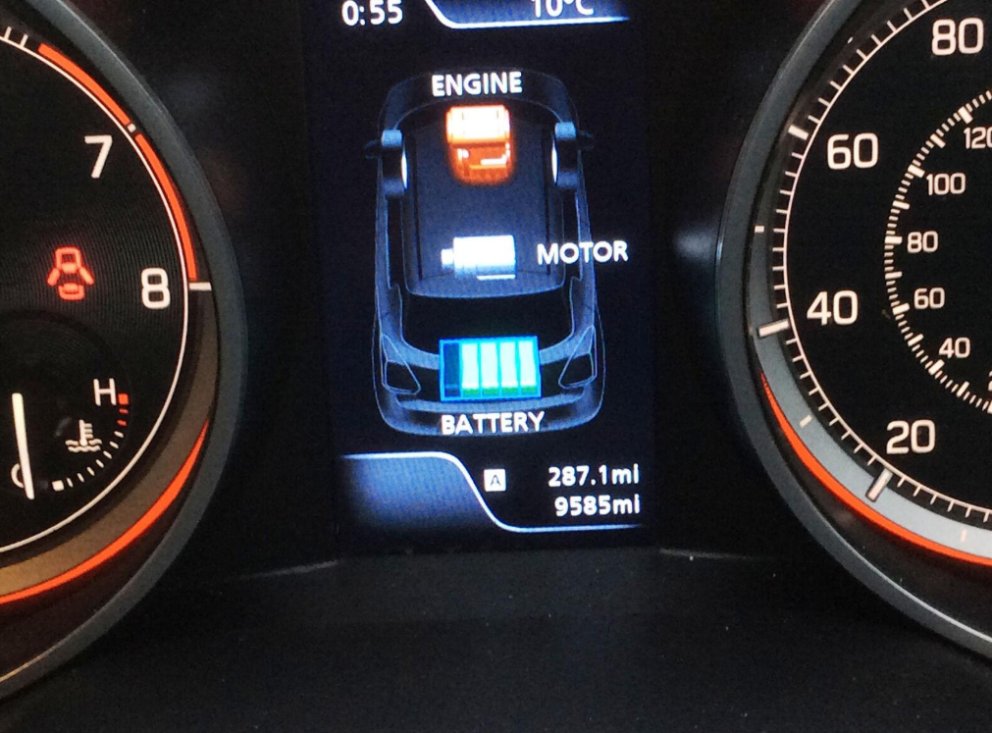
If you’ve been looking at hybrid or electric cars lately, you’ve probably heard the term regenerative braking. It sounds technical, but it’s actually one of the smartest features in modern driving—especially on Irish roads.
Let’s break it down in plain English.
What Is Regenerative Braking?
Regenerative braking is a regenerative braking system that captures the vehicle's kinetic energy when you slow down and reuses it to power your car.
Instead of wasting energy as heat (like traditional brakes do), your car turns that kinetic energy into electrical energy and stores it in the vehicle's battery.
Simple idea, big impact.
How Regenerative Braking Works
When you press the brake pedal or lift your foot off the accelerator pedal in a hybrid or electric vehicle:
- The energy produced is converted electrical energy sent back into the car's battery
- The car slows down naturally due to electromagnetic resistance creating braking force
- The vehicle's electric motor switches roles and acts like an electric generator
This is why many EVs and hybrids feel slightly different when braking—it’s smoother and more gradual, often allowing one pedal driving mode.
In our experience, drivers in Dublin traffic actually prefer this feel once they get used to it, especially in stop-start city driving conditions around the city centre or the M50.
Energy Recovery in Electric and Hybrid Vehicles
Energy recovery through regenerative braking technology really shines in urban environments.
Every time you slow down—whether it’s approaching a roundabout in Terenure or easing off in heavy rain—you’re recycling energy that would otherwise be lost as heat in conventional brakes.
That means:
- Less reliance on charging and internal combustion engines
- Longer electric range
- Better energy efficiency and vehicle efficiency
On Irish roads, where short trips and city driving are common, this makes a noticeable difference in energy efficient driving.
EV and Hybrid Vehicle Braking Systems Explained
Traditional braking systems rely entirely on friction from brake pads clamping brake discs, creating heat and wear and tear.
With regenerative braking:
- The vehicle’s motor controller manages the balance between regenerative and hydraulic braking to ensure maximum safety
- Brake lights still activate to signal stopping power
- The system reduces the need for conventional brakes, preserving brake discs and brake pads
That said, standard brakes are still there when you need them—especially for emergency stops or at low speeds where regenerative braking is less effective.
Benefits of Regenerative Braking
Here’s why Irish drivers are making the switch:
Lower Maintenance Costs
Less wear and tear on brake components means fewer replacements and lower running costs—handy when you’re trying to keep motoring expenses down.
Improved Energy Efficiency
In hybrids like the Suzuki Vitara Hybrid or Swift Hybrid, regenerative braking contributes to improved fuel economy by converting mechanical energy into chemical energy stored in the battery.
Environmental Benefits
By recovering and reusing energy, regenerative braking reduces emissions and supports Ireland’s push toward greener transport solutions.
Smoother Driving Experience with One Pedal Driving Mode
Many electric and hybrid vehicles offer one pedal driving mode, where lifting off the accelerator pedal increases regenerative braking level, making driving smoother and maximizing recovered energy.
Maximising Energy Recovery: Tips for Irish Drivers
To get the most out of regenerative braking technology:
- Maintain your regenerative braking system regularly, including battery health and motor controller calibration
- Drive in eco mode to optimise regenerative braking and overall vehicle efficiency
- Use one pedal driving mode if your vehicle offers it
- Anticipate traffic flow to enable gradual deceleration and maximise energy recovery
Hybrid Car Braking Technology in Suzuki Models
Suzuki’s hybrid electric vehicles use advanced regenerative braking systems to enhance energy efficiency without the need for full electric charging infrastructure.
Models like the Suzuki Vitara Hybrid, Swift Hybrid, and S-Cross Hybrid all feature such innovative technology.
At Gerry Caffrey Motors, these models are popular with South Dublin drivers seeking:
- An easy transition from traditional petrol cars
- Reliable hybrid performance with regenerative braking contributes to vehicle efficiency
- Lower fuel bills through maximising recovered energy
Regenerative Braking and Vehicle Safety
Regenerative braking systems are designed to work alongside conventional hydraulic brakes to ensure stopping power and driver safety.
Brake lights illuminate during regenerative braking when deceleration exceeds certain thresholds, complying with regulations.
This combination ensures that regenerative braking contributes effectively without compromising safety.
Is Regenerative Braking Right for Irish Drivers?
Short answer—yes.
Ireland’s driving conditions are ideal for regenerative braking:
- Increasing focus on energy efficiency and emissions reduction (including VRT benefits and incentives)
- Wet weather benefits from smoother braking force
- Frequent stopping in towns and cities maximises recovered energy
Plus, with stricter NCT standards, having a modern braking system that reduces wear and tear can be a real advantage.
For more on road safety and braking systems, the Road Safety Authority is worth a look.
Thinking About Making the Switch?
Regenerative braking isn’t just a buzzword—it’s a practical feature that makes everyday driving more energy efficient, especially here in Dublin.
If you’re curious about hybrid driving or want to experience one pedal driving, it’s worth getting behind the wheel.
Considering an upgrade to a Suzuki? Drop by Gerry Caffrey Motors in Terenure, Dublin 6W, or explore our newest inventory online.