Petrol and Diesel Prices Are Up Again: Is It Time to Switch to a Hybrid?
If filling up feels more painful again lately, you’re not imagining it. AA Ireland’s March 2026 fuel survey reported that both petrol and diesel prices rose versus February, adding fresh pressure for Irish motorists already managing higher everyday costs.
For plenty of drivers around Dublin, South Dublin and the M50 commute, that brings up a very real question: is it time to switch to a hybrid?
In our experience, more customers are asking exactly that. Not because they want to make a dramatic leap overnight, but because they want a car that feels easier to live with on Irish roads, in Irish traffic, and with Irish running costs.
Why more Irish drivers are looking at hybrid vehicles now
When petrol and diesel prices climb, the gap between a conventional car with a petrol or diesel engine and an efficient hybrid system starts to matter more. That’s especially true if most of your driving is local school runs, city traffic, short commutes, or stop-start driving around Terenure, Templeogue, Rathfarnham or into the city centre.
That’s where hybrid technology tends to make the most sense. A hybrid vehicle can help reduce fuel consumption in low-speed traffic and everyday mixed driving, without asking you to change your routine the way a full electric car sometimes can.
For many Irish buyers, that middle ground is the appeal. You still get the familiarity of a combustion engine, but with extra efficiency built in through the electric motor and battery power.
What does “hybrid” mean in real-world Irish driving scenarios?
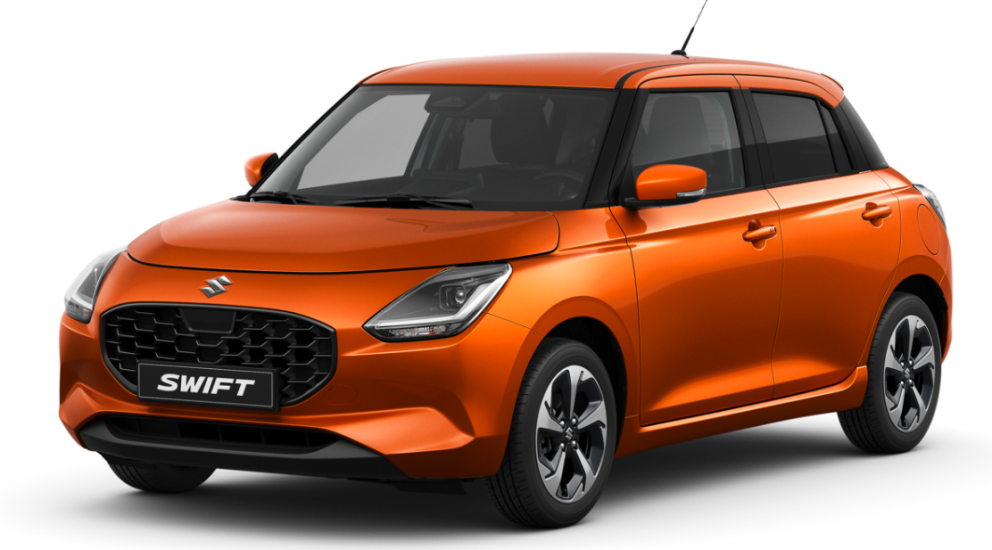
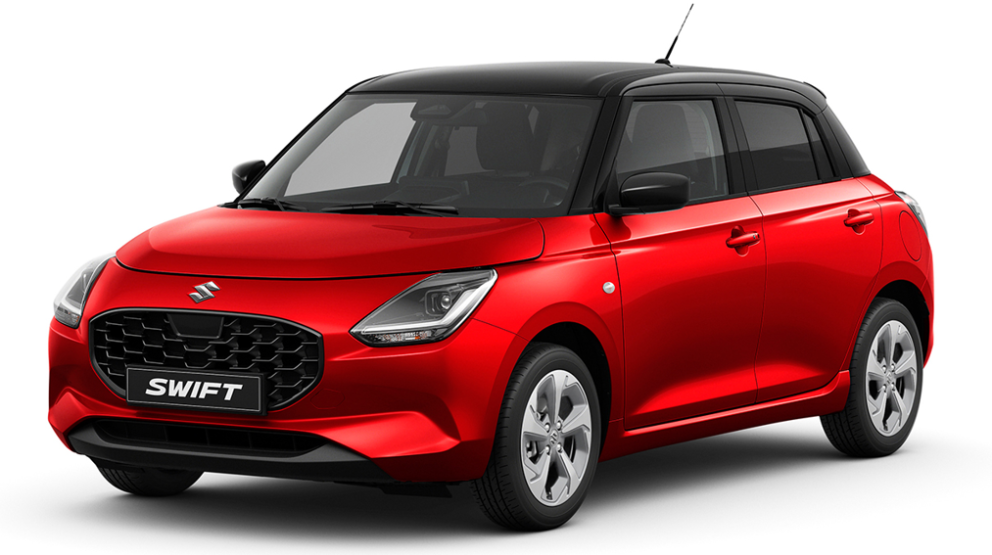
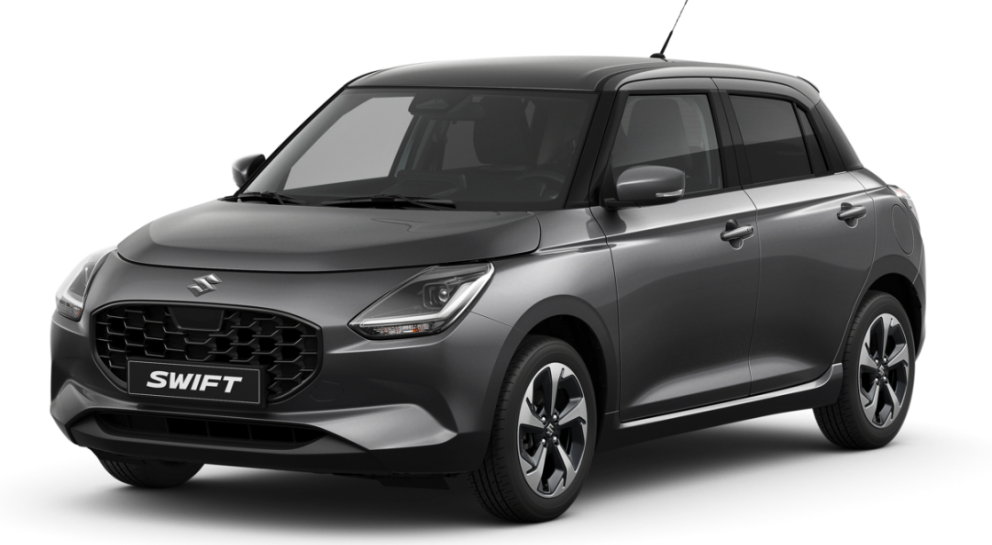
Not every hybrid works the same way. With Suzuki, the current Irish line-up includes mild hybrids across key models like the Swift, Vitara and S-Cross, with official Suzuki Ireland materials highlighting improved fuel economy and lower CO2 output across these models. The Swift is listed at up to 4.4 l/100km WLTP combined, while the Vitara and S-Cross are both described as mild hybrid models with lower-emissions, efficiency-focused drivetrains.
In plain English, a mild hybrid uses a small electric motor and battery to support the petrol engine during moments like pulling away, accelerating, or crawling through traffic. You’re not plugging it into a charging point. Instead, the system uses regenerative braking to recharge the battery, making it a self charging hybrid.
That suits a lot of Dublin drivers. You get the benefit where you need it most — traffic lights, queues, roundabouts, wet roads, and the kind of short mixed journeys that make up daily life here.
Different types of hybrid vehicles available in the market
Understanding the different types of hybrids can help you decide which is right for your driving needs:
Mild hybrids
Mild hybrids combine a petrol or diesel engine with a small electric motor that assists the engine but cannot power the car alone. They use regenerative braking to recharge the battery and improve fuel economy, especially in stop-start city driving.
Full hybrids
Full hybrid cars can run on the petrol engine, electric power, or a combination of both. These hybrids can drive in electric mode for short distances, usually at low speeds, reducing fuel consumption and emissions. The Honda Civic is a popular example of a full hybrid known for its engaging handling and improved fuel economy.
Plug-in hybrids (PHEVs)
Plug-in hybrid cars have larger batteries that can be charged from an external electricity source, allowing longer electric-only driving ranges. They combine electric power with a combustion engine, offering greater flexibility and emission-free driving for short distances. Plug-in hybrids are ideal for drivers with access to a charging point who want to save money on fuel and reduce emissions.
Range-extended electric vehicles
These hybrids use an electric motor to drive the wheels with a petrol engine acting as a range extender to recharge the battery when needed. This setup provides a longer driving range without relying solely on the combustion engine.
Is a hybrid worth it if you drive mostly in Dublin?
For a lot of people, yes.
If your week involves stop-start driving, busy junctions, school drop-offs, supermarket runs, and the odd spin down the N11 or across the city, a hybrid is often a smarter fit than a larger diesel. That’s one reason we often see buyers moving away from older diesel cars unless they’re doing serious motorway mileage every week.
There’s also the comfort factor. Newer hybrid models tend to feel smooth and easy in traffic, which matters more than many drivers expect once they start using the car day in, day out.
Hybrid vs petrol vs diesel in Ireland: Understanding fuel economy and emissions
Hybrid vs petrol
If you’re coming from an older petrol car, a hybrid usually feels like an easy upgrade. You still have the convenience of petrol refuelling, but the car uses energy more intelligently, switching between the combustion engine and electric motor to save fuel.
That can make a noticeable difference on urban and suburban routes, particularly in South Dublin where drives are often short, interrupted and weather-affected.
Hybrid vs diesel
Diesel still has its place, especially for high-mileage motorway drivers. But for many buyers, the old diesel logic doesn’t hold up quite as well as it once did.
If your driving is more mixed than motorway-heavy, a hybrid can feel more modern, more flexible and often better suited to current day-to-day use. That’s before you even factor in emissions-based taxes and registration costs.
What about VRT, Revenue rules and emissions?
This is one area Irish buyers shouldn’t ignore.
Revenue calculates VRT for Category A cars mainly using WLTP CO2 emissions, and there is also a NOx charge as part of the overall tax calculation. In simple terms, cleaner and lower-emission hybrid vehicles can be more attractive from a tax point of view than higher-emission alternatives.
Revenue’s own material also notes that lower-emission hybrids can attract reduced VRT rates compared with higher-emission cars, even though hybrids are treated differently from full electric vehicles.
So if you’re comparing cars purely on sticker price, you may miss part of the story. In Ireland, running costs, emissions, tax treatment and resale appeal all matter.
Are hybrid cars practical for Irish weather and roads?
Yes, and this is where buyers often relax a bit once they test drive one.
Irish weather isn’t exactly gentle. We deal with heavy rain, greasy winter roads, cold starts and plenty of mixed surfaces. That means buyers want a car that feels efficient, but also solid and confidence-inspiring.
That’s where Suzuki’s range makes sense for many households.
Suzuki Swift Hybrid
The Swift is ideal if you want something compact, efficient and easy to park in tighter Dublin spaces. It’s a great fit for solo drivers, couples, second-car duties, or anyone downsizing from a larger car but still wanting modern tech and low running costs. Suzuki Ireland lists the Swift hybrid at up to 4.4 l/100km WLTP combined.
Suzuki Vitara Hybrid
The Vitara hits a sweet spot for Irish families. It gives you the higher driving position many buyers want, useful cabin space, and mild hybrid efficiency in a compact SUV format. Suzuki describes the Vitara as a spacious SUV with a mild hybrid drive system.
Suzuki S-Cross Hybrid
If you want a bit more room again, the S-Cross is worth serious consideration. It’s practical, comfortable, and well equipped for family use, longer trips, and mixed driving. Suzuki Ireland says the S-Cross mild hybrid is designed for impressive fuel economy and low CO2 emissions.
New or used hybrid — which makes more sense?
That depends on your budget and how long you plan to keep the car.
At Gerry Caffrey Motors, there’s a clear split between buyers who want the reassurance and latest specification of a new Suzuki, and buyers who want value from a premium used or approved used model. GCM’s site highlights both the full new Suzuki range and a curated selection of premium used vehicles, including approved Suzuki stock.
In our experience, a used hybrid can be a smart way into newer technology without stretching the budget too far. But if monthly affordability is the main goal, a new hybrid with a strong finance offer can sometimes be just as attractive.
Finance, trade-ins and making the switch easier
This is where people often overcomplicate the decision.
You don’t always need to buy outright to move into a newer hybrid. Gerry Caffrey Motors offers new car offers and finance, bespoke used car finance, and an online finance application for both new and used vehicles. Current GCM pages also show finance examples for models like the Swift, Vitara and S-Cross.
We often see a trade-in making the numbers far more manageable than expected. If you’re moving out of an older petrol or diesel car, your current vehicle may do more of the heavy lifting on the deal than you think.
That’s why it’s worth looking at the full cost to change, not just the list price.
Don’t forget the NCT side of the equation
There’s another practical reason drivers change cars in Ireland: hassle.
As cars age, NCT prep becomes more frequent and more expensive. The NCTS pre-check guidance reminds motorists to pay attention to basics like tyres, seat belts, wipers, washers and lights before test day.
A newer hybrid won’t magically remove running costs, but it can reduce the everyday wear-and-tear stress that comes with keeping an older car on the road.
For many households, that peace of mind is part of the value.
So, is it time to switch to a hybrid?
If fuel prices are biting, your driving is mostly urban or mixed, and you’d like something more efficient without going fully electric, the answer is very often yes.
A hybrid won’t be the perfect answer for every driver. But for a lot of motorists in Dublin and across Ireland, it’s a very practical step: lower fuel use in everyday driving, modern comfort, easier ownership, and a smoother fit for current tax and emissions realities.
And if you’re looking at Suzuki in particular, the Swift, Vitara and S-Cross give you three very different ways to make that move depending on your budget and lifestyle.
Thinking about upgrading to a Suzuki? Visit Gerry Caffrey Motors in Terenure, Dublin 6W and explore the latest Suzuki hybrid-friendly options, premium used stock, finance packages and trade-in opportunities.