Part Spotlight: Windscreen Drainage — Where Does All That Rainwater Go?
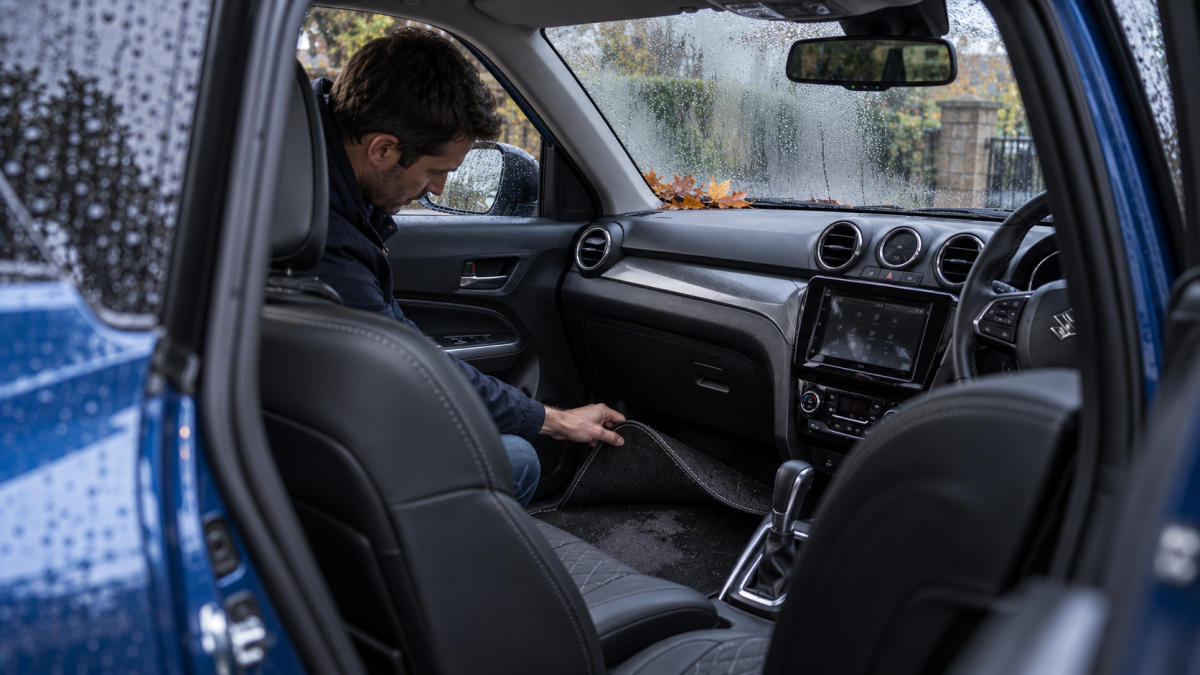
On a wet Dublin morning, your windscreen can handle litres of water before you’ve even made it through the first stretch of traffic. The wipers clear your view, but they don’t make that water disappear. So where does it go?
Most of it runs down to a drainage area beneath the windscreen, commonly called the scuttle or cowl. From there, channels and drain outlets guide it safely away from the cabin and sensitive components, preventing water ingress. This system is a key part of water ingress prevention, helping protect affected areas inside the car.
That’s the plan, at least. Leaves, grit, and general road debris can block the route, turning a simple drainage system into a source of water ingress, misted windows, and a wet car interior.
How Windscreen Drainage Works
The black plastic panel at the base of the windscreen is more than a trim piece. Beneath it sits a collection area designed to catch rainwater flowing off the glass.
Drain points then carry the water down and out, usually behind the engine bay or front wheel-arch area. The precise layout varies by make, model, and year, so your owner’s manual or a trained technician should be the reference for your car.
In normal conditions, you won’t notice the system working. Water arrives, passes through clear drain holes, and drains beneath the vehicle, helping to prevent water damage to the structure and paint.
Maintaining clear windscreen drains also prevents water from pooling near HVAC vents, which can cause dampness and mold growth inside the vehicle.
Your Car Has More Than One Drainage Route
The windscreen cowl isn’t working alone. A modern car may also have:
- Drain holes along the lower edge of each door, allowing water that passes the outer window seal to escape, especially on the passenger side.
- Sunroof drain tubes, normally routed down the pillars on cars fitted with a sunroof.
- Channels around the tailgate, boot opening and body seals.
- An air-conditioning evaporator drain, which releases condensation and can leave a small, clean puddle under the car after the air conditioning has been running.
That last puddle is usually normal. A soaked passenger footwell, musty odor, or repeated heavy condensation inside the glass isn’t.
Why Blocked Car Windscreen Drains Are Common in Autumn
Autumn rain gets much of the blame, but the real issue is often what comes down with it. Leaves, seeds, pine needles, and mud gather at the bottom corners of the windscreen, especially when a car is regularly parked under trees.
Over time, that material breaks down into a dense sludge. The outlet narrows, water drains more slowly, and one night of heavy rain can overwhelm the channel, leading to flooding inside the car.
We often see the first warning signs after several days of rain rather than during one dramatic downpour. The blockage may have been building quietly for months.
South Dublin driving adds its own mixture of road grit and urban debris. Cars moving between Terenure, Templeogue, Rathfarnham, and the M50 can look perfectly clean above the bonnet while dirt is collecting out of sight below the windscreen's bottom edge.
Signs Your Car’s Car Windscreen Drains May Be Blocked
Blocked car windscreen drains don’t always announce themselves with a visible stream of water. Look out for a pattern of smaller clues or warning signs:
- Water sitting around the base of the windscreen after the rain has stopped.
- A sloshing noise you may hear when braking, cornering or pulling away.
- Damp front or rear carpets, particularly after overnight heavy rain.
- Windows that repeatedly mist up from the inside.
- A musty odour that returns soon after the cabin has been cleaned.
- Moisture beneath floor mats or in the spare-wheel well.
- Water marks around the headlining, door cards or pillar trims.
- Electrical warnings or intermittent faults that appear alongside dampness.
If only the top of the carpet feels dry, don’t assume all is well. Thick underlay and sound-deadening material can hold a surprising amount of water beneath the surface, which can promote mold growth and penetrating damp.
Clogged drain holes can cause persistent dampness and mold growth in vehicles, making early detection and maintenance important.
Why a Wet Car Interior Needs Quick Attention
A wet car interior is more than an inconvenience. Trapped moisture can encourage mold, create persistent odours, and corrode metal fixings or electrical connections.
It can also make the windscreen harder to keep clear. In Irish weather, where visibility can change quickly, constant interior condensation is a safety issue as well as a comfort problem.
In our experience, early investigation usually keeps the job simpler. Wait too long and the work can expand from clearing a drain to lifting carpets, drying insulation, and tracing electrical faults.
Don’t assume the windscreen drain is definitely responsible, either. Water ingress can also come from a damaged door seal, an incorrectly bonded replacement windscreen, a disconnected sunroof tube, a tailgate seal, or a body seam with cracks.
The wettest patch isn’t always directly below the entry point because water can travel behind trim or cavity walls inside the car.
How to Inspect and Clear Blocked Car Windscreen Drains
You can carry out a safe visual check. With the engine off and the car parked securely, remove leaves and loose debris from the visible cowl area using gloved hands, a soft brush, or a vacuum suitable for the job.
Keep the windscreen corners and the gap below the wiper area clear. Check the lower edges of the doors for obvious surface dirt, but don’t remove trim unless you know the correct procedure for your model.
Avoid forcing wire, screwdrivers, or rigid rods into a drain. You could puncture a tube, disconnect it inside the body, or push the blockage farther into the system, cutting off access for water to drain.
Using a flexible wire gently can sometimes help dislodge a clog, but this must be done carefully to prevent damage.
High-pressure water hoses can be used carefully to flush drain holes and clear blockages, but improper use of high-pressure air or water can cause damage or push debris further into the system.
If water is already inside the cabin, clear the source and start drying the car promptly. A household dehumidifier may help when used safely in a secure, ventilated setting, but it won’t fix the leak that caused the dampness.
For persistent pooling, soaked carpets, sunroof leaks, or electrical symptoms, it’s time for a professional inspection. Contact the service team at Gerry Caffrey Motors in Terenure for advice or to arrange a booking.
A Simple Autumn Car Maintenance Routine to Prevent Water Ingress
Windscreen drainage deserves a place in your autumn car maintenance checks, alongside tyres, lights, wipers, screen wash, and battery condition.
Try this quick routine every few weeks during leaf fall:
- Lift leaves and loose debris from the base of the windscreen.
- Check that the wiper blades clear the glass without smearing.
- Feel beneath removable floor mats for unexpected dampness.
- Look around door apertures and the boot for damaged or displaced seals.
- Pay attention to new smells, misting or sloshing sounds after heavy rain.
Check drain holes every few months to prevent clogs and maintain proper drainage.
The Road Safety Authority provides a useful wider checklist for keeping a vehicle safe and roadworthy.
When surface water is already on the road, AA Ireland advises turning back if you’re unsure about the depth rather than risking serious vehicle damage.
What About the NCT, VRT, and Imported Used Cars?
A valid NCT is important, but it isn’t a guarantee that every drainage channel is clear or that a car has never had a leak. Drain blockages can develop between tests, and intermittent water ingress may only show up after sustained rain.
If you’re considering a used car, check for damp carpets, odours, stained trim, and excessive condensation as part of your inspection. Ask about repairs and service history, too.
This matters with imported cars as well as Irish-supplied vehicles. VRT registration and Revenue paperwork deal with a vehicle’s tax and registration position; they don’t replace a physical condition check.
A properly prepared car should be assessed for the realities of Irish roads and Irish weather, not just its documents.
Gerry Caffrey Motors carries a carefully selected range of premium new and used cars, giving Dublin buyers the chance to compare condition, history, and value in one place.
Suzuki Vitara, Swift or S-Cross: Which Suits Your Driving?
Good drainage and regular maintenance matter whether you drive a compact hatchback or a family crossover. The right Suzuki comes down to how you use the car.
The Swift is an easy fit for city commutes, narrow Dublin streets, and tight parking. The Vitara adds SUV practicality and a higher driving position, while the S-Cross gives families useful cabin and luggage space for longer trips.
A new Suzuki may appeal if you want the latest specification, warranty cover, and current offers. A premium used model can make excellent sense if you want strong value or a higher trim level within budget.
Your existing car can also form part of the change. A trade-in may reduce the amount you need to fund, while tailored finance options can help spread the balance.
The team at Gerry Caffrey Motors can explain the available options and help you decide what suits your budget.
Windscreen Drainage FAQs
Is Water Dripping Under My Car Normal?
Often, yes. Rainwater may be leaving through body drains, while a small clear puddle after using the air conditioning is commonly condensation from the evaporator drain.
Investigate if the liquid has a colour or smell, if warning lights appear, or if fluid levels fall. Never taste or touch an unknown automotive fluid like coolant.
Why Is My Passenger Footwell Wet After Rain?
Possible causes include a blocked cowl drain, a leaking windscreen bond, damaged door seals, a sunroof drain fault, or water coming and travelling behind interior trim or cavity walls.
A technician may need to use controlled water testing to find the root cause of the water ingress.
Will Clearing Leaves Stop Water Ingress?
It can prevent a common type of blockage, but it won’t repair a damaged seal or disconnected drain tube.
If dampness returns after the visible debris is removed, arrange an inspection to prevent water damage and mold growth.
Can Blocked Drains Affect a Car’s Trade-In Value?
Yes. Damp smells, stained upholstery, corrosion, and unresolved electrical issues can all affect condition and buyer confidence.
Dealing with the source early and keeping maintenance records can help protect the car’s presentation and value.
Keep the Rain Outside Where It Belongs
Windscreen drainage is easy to overlook because, when it works, you never have to think about it. A few minutes spent clearing visible debris can help prevent clogged car windscreen drains from becoming a soaked carpet and a much larger repair involving expensive repairs and rust.
If you’ve noticed dampness, persistent misting, or water collecting after autumn rain, Gerry Caffrey Motors can help you identify the next step.
Thinking about upgrading to a Suzuki? Visit Gerry Caffrey Motors at 106–112 Terenure Road North, Dublin 6W, to compare the Vitara, Swift, and S-Cross, discuss finance, and get a straightforward trade-in valuation.