MOT Test Ireland and National Car Test (NCT): What You Need to Know
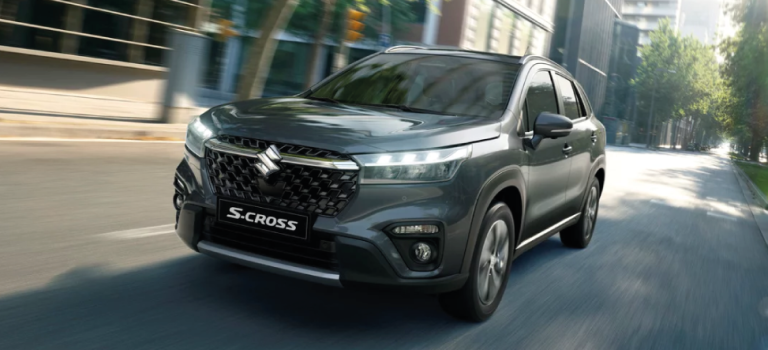
If you’re a vehicle owner in Ireland, understanding the mot test ireland and the National Car Test (NCT) is essential for keeping your car roadworthy and compliant with legal requirements. Whether you’re preparing for your first test or looking to understand the differences between the Irish NCT and the UK’s MOT, this guide covers everything you need to know.
What Is the National Car Test (NCT)?
The National Car Test (NCT) is Ireland’s mandatory roadworthiness inspection for cars that are four years old or more. Car owners must ensure their vehicle meets safety and environmental protection standards to legally drive on Irish roads.
The National Car Testing Service (NCTS) carries out the NCT at authorized test centres across Ireland. When your vehicle passes the test, you receive an nct certificate issued as proof of compliance.
Why the NCT and MOT Matter for Road Safety
Both the NCT and the MOT (Ministry of Transport test, used in the UK) aim to improve road safety and enhance environmental protection by ensuring vehicles meet minimum safety and emissions standards. Having a valid mot certificate or nct certificate is not only a legal requirement but also protects you, your passengers, and other road users.
Booking Your NCT Appointment
You can book your nct appointment only through the official NCTS website at ncts.ie. It’s important to use this testing service to avoid scams or unauthorized bookings.
When attending your appointment, bring your vehicle’s registration or licensing certificate and your driving licence or learner permit as identification.
If you need to cancel or change a confirmed appointment, be sure to provide at least 5 working days' notice to avoid incurring an additional charge of €24.
What Happens During the NCT or MOT Test?
During the initial test, inspectors check various aspects of your vehicle, including:
- Vehicle’s mileage is recorded to help verify usage and history.
- Windscreen wiper functionality and condition.
- Vehicle structure: Inspecting for corrosion or damage affecting safety.
- Emissions and engine performance: Verifying compliance with environmental standards.
- Tyres and wheels: Confirming minimum tread depth (1.6mm in Ireland).
- Lights and electrics: Testing all lights, including registration plates illumination.
- Suspension and steering: Checking for excessive play or leaks.
- Brakes and brake balance: Ensuring even braking force and no worn pads.
If your vehicle passes the test, you will receive a pass certificate and a valid mot test certificate or nct certificate valid for 1 or 2 years depending on your vehicle's age.
What If Your Vehicle Fails the Test?
If your car fails the test, the inspector will issue a Vehicle Inspection Report detailing the faults. There are three types of results:
Dangerous faults: The vehicle is unsafe; it is illegal to drive until repaired and passed.
Major faults: The vehicle fails; you have 30 days to repair and book a re test.
Minor faults: The vehicle passes but requires repairs; you may need free re tests for minor visual items.
Failing to comply can result in penalty points or fines, and driving a vehicle in an unsafe condition is against the law.
Costs and Re-tests
The standard NCT test costs €60, and a re test costs €40 if booked within 21 days of the original test. Some free re tests cover minor visual items such as windscreen wiper replacement.
For MOT tests in the UK, prices range from £49.99 to £54.85 depending on location. Booking an MOT along with a service can save you time and money.
Exemptions and Special Cases
Certain vehicles are exempt from testing, such as those registered before 1 January 1980 in Ireland or vehicles over 40 years old, unless used commercially. Motor caravans and vehicles permanently based on islands without road connections may also be exempt.
Importance of a Valid MOT or NCT Certificate
Having a valid mot certificate or nct certificate is necessary for renewing your vehicle tax and maintaining your insurance coverage. Without a valid certificate, you may be unable to legally drive or tax your vehicle.
MOT Test in Northern Ireland and Great Britain
In Northern Ireland, MOT tests are carried out by the Driver and Vehicle Agency (DVA), while in Great Britain, they are managed by the Driver and Vehicle Standards Agency (DVSA). The MOT test covers similar safety and environmental checks as the NCT and is required annually for vehicles over three years old.
How to Prepare for Your Test
Before your test:
- Listen for unusual noises, especially when braking.
- Clear any dashboard warning lights.
- Top up washer fluid and check windscreen wipers.
- Ensure tyres have sufficient tread and correct pressure.
- Check that all lights and indicators are working.
Preparing your vehicle can help you avoid failures and save on costly repairs.
Final Thoughts
Understanding the mot test ireland and the NCT process helps you stay compliant, safe, and environmentally responsible. Whether you’re booking your first test or managing re tests, using the official national car testing service and preparing your vehicle properly will make the process smoother.
If you’re in Dublin and considering an upgrade, visit Gerry Caffrey Motors in Terenure for a range of reliable Suzuki vehicles, including hybrids that meet modern emission standards.
For official booking and more information, visit ncts.ie or contact your local test centre.