Is Premium Fuel Worth It?
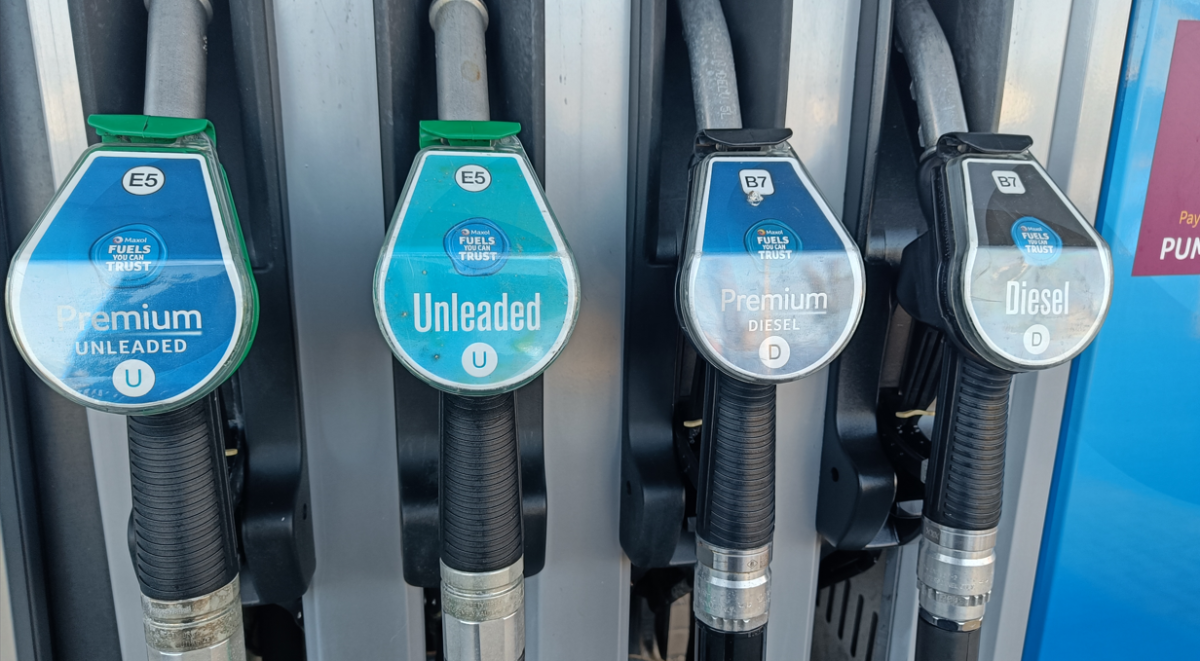
If you’ve ever pulled up at a petrol station in Dublin and hesitated between regular fuel and premium fuel, you’re not alone. With fuel costs in Ireland already high, it’s fair to ask: is premium fuel actually worth the extra money? When considering this, remember that fuel is just one part of your overall car running costs—maintenance, insurance, and other operational expenses also play a big role in your total outlay.
Let’s break it down from a practical, Irish driver’s perspective. Cheaper petrol options are available and are safe for most vehicles, as all fuels sold in Ireland must meet strict legal standards.
What Is Premium Fuel?
Premium fuel typically has a higher research octane number (RON) than standard unleaded petrol. In Ireland, you’ll usually see:
Premium unleaded fuel (premium petrol): 97–99 octane, sometimes called super unleaded
Regular fuel (regular unleaded petrol): 95 octane
Most filling stations offer two types of petrol: standard unleaded and super unleaded.
All current petrol options are unleaded—leaded fuel is no longer available in Ireland or the UK.
Higher octane fuel is designed to handle higher compression in high compression engines without causing knocking (a type of engine misfire), which can damage the engine over time.
Most modern cars run perfectly well on regular fuel sold at most petrol stations, but high performance cars and tuned vehicles often require higher octane fuel for optimal performance. Exactly which cars benefit from premium fuel can be vague, but it generally includes sports cars, hot hatches, and vehicles with powerful or modified engines.
The Difference Between Premium and Regular Fuel
The key difference lies in the octane rating. Regular petrol typically has a RON of 95, while premium unleaded petrol—also known as super fuel—is designed to work better in higher compression engines due to its higher octane rating. Premium petrol typically has a higher RON, usually from 96 to 99, compared to regular unleaded petrol which has a minimum RON of 95. Some brands’ premium fuel offerings, like Shell’s V-Power Diesel and petrol, provide an octane rating of 99 RON, which is the highest widely available fuel in the UK. When considering the best premium fuel options available in the UK and Ireland, brands like Shell V-Power are often considered top choices.
Higher octane fuels release more energy during combustion, which can improve fuel efficiency and engine performance in vehicles designed for it. However, for most normal cars, adding premium fuel will not result in noticeable improvements. This raises the question of whether the extra cost of expensive premium petrol or more expensive premium petrol is justified by the benefits, especially for standard vehicles.
Premium fuel often contains fuel additives that help reduce engine deposits and improve lubrication, potentially extending engine life and maintaining performance, especially in newer and superior models.
Premium Diesel vs Regular Diesel
If you drive a diesel car, you might wonder about premium diesel. Normal diesel is the standard option available at most stations and meets regulatory standards for most diesel engines. Unlike petrol, diesel fuel quality is measured by cetane rating, not octane. Premium diesel has a cetane rating, with most diesel in the UK having a cetane rating between 45 and 55. The main difference between premium diesel and regular diesel is the presence of engine-cleaning additives, not a higher cetane number. Many brands' premium diesel offerings include a unique blend of additives that promise to improve lubrication and reduce wear and tear on the engine.
Premium diesel usually contains cleaning additives designed to shift soot deposits and other build-up from the engine’s fuel system, potentially improving fuel economy and reducing wear and tear. However, the major fuel economy benefit is often minimal unless the vehicle has high mileage or is older.
Does Premium Fuel Improve Performance?
The short answer: only if your car is designed for it.
High performance engines typically have higher compression ratios and are tuned to benefit from high octane petrol. In these cases, premium fuel can provide:
- Improved long-term engine health
- Reduced engine knocking
- Better engine efficiency
- Smoother acceleration
For most petrol cars, especially company owned vehicles and most normal cars, premium fuel offers no real performance boost or improved fuel economy.
When Should You Use Premium Fuel?
Here are the main scenarios where premium fuel is worth considering:
- You notice knocking or pinging noises when using regular fuel, which may indicate your engine needs a higher octane.
- You drive a high-performance or luxury vehicle with a turbocharged or high-compression engine that benefits from higher-octane fuel.
- Your vehicle’s manufacturer specifically recommends or requires premium fuel for optimal performance or to prevent engine knocking.
When deciding, consider premium fuel costs compared to regular fuel. Performing a cost-benefit analysis of fuel types is advisable, especially if premium is recommended for your vehicle. If the extra cost of premium outweighs any benefits in mileage or performance, regular fuel may be the better choice.
1. Manufacturer Recommends Premium Fuel
Always check the fuel filler door or fuel cap on your vehicle, or consult the car’s handbook. If the manufacturer recommends premium fuel, using regular fuel might reduce performance and cause engine knocking.
2. Driving High Performance or Tuned Vehicles
If you own a sports car or a tuned vehicle with a powerful engine, premium fuel can help your car run smoothly and maintain its engine generates power efficiently.
3. Older or High Mileage Vehicles
Some older vehicles or those with high mileage may benefit from the fuel additives found in premium fuel, which help clean the fuel system and reduce deposits.
What About Fuel Costs?
Premium fuel typically costs around ten percent more than regular fuel, meaning you pay extra money at the pump. While some drivers hope for savings through better fuel consumption or fuel efficiency, evidence suggests that for most cars, there is no major fuel economy benefit.
If you fill up frequently, the extra cost can add up significantly. For fleet vehicles or company car fleets with high mileage, even a small improvement in fuel economy could lead to significant savings, especially for high-mileage cars. Managing fuel costs is crucial for fleets—choosing the right fuel type and using fuel cards can help control expenses and ensure proper fueling practices. Different fuel stations may offer various premium and regular fuel options, which can affect overall fuel costs for both individual drivers and businesses.
Are Premium Fuels Cleaner?
Premium fuels often include fuel additives to help keep the engine clean by reducing deposits in the fuel system. However, modern cars with regular servicing generally handle standard fuel well without issues.
Proper maintenance, such as regular servicing and using quality oil, has a bigger impact on engine cleanliness than simply using premium fuel.
Driving Conditions and Premium Fuel
Driving conditions can make a real difference when deciding if premium fuel is worth the extra spend. If you regularly find yourself in stop-and-go Dublin traffic or facing harsh weather, premium fuel typically offers some advantages. The additives in premium fuel help keep your engine and fuel system cleaner, which can support better fuel economy and lower emissions over time. This is especially true for high performance cars and performance vehicles, which are more sensitive to fuel quality and may see improved fuel consumption and smoother operation in challenging conditions.
On the other hand, if your daily routine involves mostly motorway driving or you enjoy Ireland’s milder weather, the benefits of premium fuel may be less noticeable. For most drivers, especially those with standard petrol cars, the impact on fuel economy and engine health is minimal. However, if you drive a high performance car or regularly face demanding driving conditions, premium fuel could help your engine run more efficiently and reliably.
Fleet Vehicle Considerations
For fleet vehicle managers, choosing the right fuel type is about balancing performance, cost, and long-term reliability. If your fleet includes high performance vehicles or models with high compression engines, premium fuel may be necessary to maintain optimal performance and prevent costly engine issues. Premium fuel can deliver a major fuel economy benefit for fleet vehicles that rack up high mileage, as the advanced additives in brands’ premium fuel offerings—like Shell’s V-Power Diesel—help keep engines cleaner and running efficiently.
It’s also important to consider the typical driving patterns of your fleet. Vehicles that spend a lot of time in urban traffic or under heavy loads may benefit more from premium fuel, as it can help reduce fuel consumption and engine wear. However, the extra cost of premium fuel must be weighed against these potential benefits. For many fleet vehicles, especially those not designed for high octane fuels, regular fuel may be the more cost-effective choice. Ultimately, reviewing your fleet’s specific needs and monitoring fuel economy can help you decide if premium fuel is worth the investment.
Wear and Tear: Long-Term Effects of Premium Fuel
When it comes to long-term engine health, the difference between premium and regular fuel is often subtle. Premium fuel, with its higher octane rating and advanced additives, is designed to reduce engine knocking and keep the fuel system cleaner. High octane fuels can help protect high performance engines and those with higher compression ratios by preventing premature wear caused by knocking or pinging. For diesel car owners, premium diesel can also help reduce engine deposits and support better fuel efficiency, especially in vehicles with higher mileage.
However, for most drivers using regular fuel in standard engines, the long-term benefits of premium fuel are modest. The research octane number (RON) of premium fuel does provide a higher octane number, which can be important for certain engines, but regular maintenance and timely servicing remain the most effective ways to reduce wear and tear. While premium fuel can offer some protection for the fuel system and engine internals, especially in performance cars or diesel engines, the difference between premium and regular fuel is less significant for most normal cars. Keeping up with scheduled servicing and using the recommended fuel type for your vehicle is the best way to ensure long-term reliability and fuel efficiency.
Practical Tips for Irish Drivers
Most driving in Ireland involves:
- Short daily trips
- Wet roads and cold weather
- Stop-start traffic in Dublin
In such conditions, premium fuel is unlikely to transform your driving experience.
Instead, focus on:
- Choosing fuel-efficient vehicles like Suzuki hybrids, which are popular in Ireland
- Smooth driving habits to reduce fuel consumption
- Regular servicing and oil changes
- Keeping tyres properly inflated
Explore Your Options with Gerry Caffrey Motors
Thinking about upgrading your vehicle? Visit Gerry Caffrey Motors in Terenure, Dublin 6W. We offer a full range of Suzuki models, including hybrids and efficient petrol cars, plus expert advice on fuel choices tailored to Irish driving conditions.