Insurance, Write-Offs & Flood Damage in Ireland
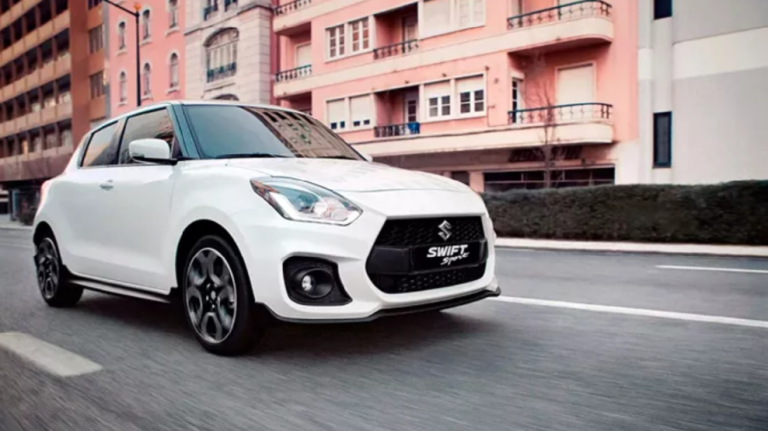
Irish weather doesn’t mess about.
Between Atlantic storms, torrential rain like Storm Chandra, flash flooding in Dublin, and surface water on country roads, flood damage is becoming a big deal for motorists across Ireland. Understanding insurance write offs flood damage is crucial if you’re buying, selling, or insuring a car here — especially when dealing with insurance companies and claims.
Especially if you’re investing in a quality used car or upgrading to a new Suzuki.
How Flood Damage Affects Cars in Ireland
Floodwater isn’t just rain.
On Irish roads — particularly in South Dublin, coastal areas, and low-lying estates — it often contains salt, debris, oil, and contaminants. That combination can quietly cause significant damage to:
- Interior electronics
- Airbags and safety modules with important safety functions
- Electrical systems and critical components
- Gearboxes
- Engine components
In our experience at Gerry Caffrey Motors, electrical damage is the biggest long-term risk. A car may look spotless but develop faults months later.
Modern vehicles like the Suzuki Vitara, Suzuki Swift, and Suzuki S-Cross rely heavily on onboard computers and sensors. Water ingress can mean expensive diagnostics and repairs if not properly assessed by a professional.
What Is an Insurance Write-Off in Ireland?
A write-off happens when an insurer decides it’s not economically repairable or viable to fix a vehicle.
That usually means:
- Flood or electrical damage is too extensive
- Structural integrity is compromised by major structural damage
- Repair costs exceed the vehicle’s pre accident value or book value
Most Irish insurers follow UK-style write-off categories (Cat A, B, S, and N), though classifications can vary slightly:
- Category N: Repairable vehicles with non-structural damage that insurers decide not to repair.
- Category S: Repairable vehicles with structural damage that insurers decide not to repair.
- Category D: Economically repairable vehicles where other factors, such as hire of a courtesy car or specialist parts delay, cause write-off status.
- Category C: Repairable salvage where repairs exceed the pre accident value. These vehicles can be repaired but are written off due to cost.
- Category B: Vehicles damaged beyond economical repair but with roadworthy parts recoverable for use in other vehicles. Critical components must not be reused.
- Category A: Severely damaged or total burnout vehicles, often flood damaged with no serviceable parts, scrap value rarely covers recovery and delivery to a scrap yard. These vehicles must be disposed of at an authorised treatment facility.
If you want independent guidance on insurance and vehicle assessments, AA Ireland provides helpful information for Irish motorists:
https://www.theaa.ie/
Preparing for Insurance Claims After Flood Damage
If you experience a flood damage incident, the first thing to do is contact your insurance company promptly to report the event. Most standard house insurance and motor insurance policies cover flood damage, but coverage can vary.
It is essential to document the scale of the damage with photos and videos before removing any flood-damaged goods or vehicles. This documentation will support your claim.
Consider hiring a professional loss assessor who can negotiate with the insurance company on your behalf, helping to save you money and ensuring a fair settlement.
Remember to keep detailed records of all correspondence with your insurer. Do not carry out any repairs until you have received approval, except for emergency repairs, which must be communicated clearly and documented.
The Claims Process: What to Expect
The first thing to do after an accident or flood damage event is to contact your insurance company promptly. Document the damage with photos and videos and keep all records.
An insurance assessor will visit to evaluate the extent of damage and produce a detailed estimate of repair costs. The insurer then decides if the vehicle is a repairable vehicle or a write-off.
If deemed a write-off, the insurer will calculate the vehicle’s pre accident value and offer a settlement. In some cases, a loss assessor can be hired on your behalf to negotiate a fair payout and ensure you are not shortchanged.
Repairs should only be carried out once approved by the insurer. Emergency repairs may be necessary but must be communicated and documented.
Flood Damaged Cars & The NCT
Here’s something many buyers overlook.
A flood-damaged car may still pass the NCT. But passing the NCT doesn’t guarantee long-term reliability.
Corrosion inside wiring looms or control units may not show immediately. Then six months later, warning lights appear.
We often see customers who bought “bargains” privately, only to discover hidden water damage after a heavy downpour on Irish roads.
That’s why buying from an established Dublin dealer matters.
Trade-Ins & Write-Off History
Can you trade in a car that’s been written off?
Yes — but value drops significantly.
Dealers will assess:
- NCT certification
- Structural reports
- Insurance history and claims filed
- Repair documentation
At Gerry Caffrey Motors, we focus on premium-quality used vehicles. If a car has prior damage, it must meet strict inspection and safety standards before resale.
Transparency protects both the dealer and the customer.
If you’re thinking about upgrading, we offer competitive trade-ins and tailored finance options:
https://gerrycaffreymotors.ie/finance/
Revenue, VRT & Imported Flood-Damaged Cars
Importing a flood-damaged car from the UK might seem like a bargain.
But you’ll still owe VRT under Revenue rules — regardless of the vehicle’s condition. Insurance cover can also be limited or refused on previously written-off imports.
Before importing, always check valuation and compliance details directly with Revenue:
https://www.revenue.ie/en/vrt/index.aspx
In many cases, buying a properly prepared Irish car makes far more financial sense.
New vs Used: Reducing Your Risk
If flood risk is a concern, newer cars offer better protection.
Modern Suzuki models come with improved sealing, raised ride height (particularly the Vitara and S-Cross), and advanced safety systems.
New vehicles also include manufacturer warranty for added peace of mind. You can explore Suzuki’s global standards here:
https://www.globalsuzuki.com/
We stock both new and premium used Suzuki models in Dublin, carefully selected and prepared for Irish conditions.
Practical Tips to Protect Your Car from Flood Damage
- Service your vehicle to detect corrosion early
- Check door seals and drainage channels regularly
- Park on higher ground where possible
- Avoid driving through standing water after heavy rain or storm events
Irish winters are unpredictable. Prevention is far cheaper than repair.
What Happens to Written-Off Vehicles?
Once a vehicle is deemed a write-off, responsibility for the vehicle often passes to the insurance company or salvage garage.
Some vehicles are sold for parts, ensuring roadworthy parts and serviceable parts are reused safely in other vehicles. Critical components with important safety functions are carefully assessed.
Others are sent to authorised treatment facilities for disposal.
Salvage value and scrap value rarely covers the full cost of recovery and delivery to a scrap yard, but insurers manage this process on behalf of owners.
Buy With Confidence in Dublin
Insurance, write-offs and flood damage can feel complicated.
But with the right advice — and the right dealer — you’ll avoid costly mistakes.
At Gerry Caffrey Motors in Terenure, Dublin 6W, we specialise in premium Suzuki models, carefully selected used vehicles, fair trade-ins and flexible finance solutions.
Thinking about upgrading to a Suzuki?
Visit Gerry Caffrey Motors in Terenure, Dublin 6W — and drive with confidence on Irish roads.