How to Spot Brake Problems Before They Cost You in Dublin
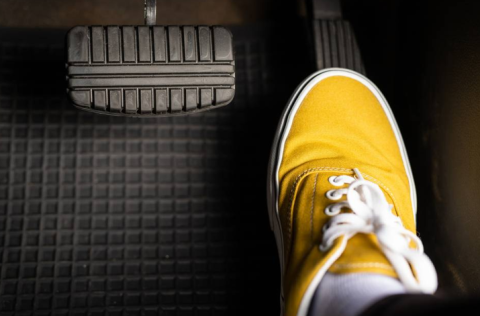
Brakes are the heart of your car’s safety and one of the most important safety features on your vehicle. In our experience, many drivers in Dublin and South Dublin don’t pay enough attention to their braking system. Irish roads, with their mix of city traffic, wet conditions, and occasional potholes, can take a serious toll on brake pads and discs. Spotting warning signs early can save you money, time, and, most importantly, keep you safe.
1. Squealing or Grinding Sounds
One of the first signs your brakes need replacing is noise. If you hear a high-pitched squealing noise every time you brake, it’s usually the brake pad sensors or wear indicators telling you the friction material on your brake pads is thin. This squealing noise is a warning that the brake pad thickness is low and that the pads need replacing soon as possible. Grinding sounds are more serious—they often mean the metal backing of your brake pads is contacting the brake discs, causing metal contact that can damage the discs and lead to costly repairs.
We often see this in older Suzuki Swift or Vitara models, especially in stop-and-go Dublin traffic. Driving with worn brake pads can damage other braking components like the brake caliper and brake hoses, so it’s important to get your car checked immediately if you hear these sounds.
2. Vibrations When Braking
If your car shakes or vibrates when braking, it could be due to warped brake rotors or uneven wear on the brake discs. Irish weather—heavy rain, frost, and winter salt—can accelerate disc wear and cause the rotors to warp. This vibration can often be felt through the steering wheel or brake pedal and indicates reduced braking efficiency and potential brake failure if left unaddressed.
It’s particularly noticeable on long drives around the M50 or when descending the Dublin Mountains. Suzuki S-Cross owners with used models often report this after a few years on Irish roads. A quick brake check at your local garage can prevent further damage and ensure your vehicle’s brakes remain in top condition.
3. Longer Stopping Distances
Feeling like your car isn’t stopping as quickly as it used to? That’s a clear sign your braking performance is declining. Worn out brake pads and low brake fluid can increase your stopping distance, which is especially dangerous on wet Irish roads. For anyone preparing for an upcoming NCT, worn brakes can be an automatic fail.
Regularly testing your brakes and having them inspected during routine service helps maintain braking efficiency and vehicle safety. Remember, worn brake pads reduce the friction material necessary to grip the brake discs effectively, making quick stops more difficult.
4. Soft or Spongy Brake Pedal
A brake pedal that feels soft, spongy, or sinks to the floor usually signals air in the brake lines or a brake fluid leak. This can happen more quickly in cars that see heavy city driving in Dublin, where frequent braking is required. Leaking brake fluid reduces hydraulic pressure in the braking system, compromising braking performance and increasing the risk of brake failure.
For Suzuki owners, this is especially important if you’re driving a compact Swift or Vitara in town—precise stopping is essential. If you notice a spongy pedal, have your brake fluid levels checked and your braking components inspected as soon as possible.
5. Warning Lights on the Dashboard
Modern Suzukis come equipped with brake warning lights, including ABS and brake pad sensors. If your ABS or brake warning light comes on, don’t ignore it. This could be the first sign of serious brake issues, such as worn brake pads, low brake fluid, or problems with other braking components.
Not all cars have brake pad sensors, so regular maintenance and checking brake pads manually is important. If your warning light stays on after topping up brake fluid, it's a sign you need brake replacement or further inspection.
6. Uneven Brake Wear
If your car pulls to one side when braking, it may indicate uneven brake pad wear or a sticking brake caliper. This is common on Irish roads where potholes or kerbs are unavoidable and can cause uneven wear on the front wheels or rear brake pads. Uneven wear reduces braking efficiency and can cause vibrations or pulling during stops.
Even premium-used stock at Gerry Caffrey Motors can benefit from a quick brake inspection after delivery to ensure everything’s balanced. Regular maintenance helps prevent accelerated wear and costly repairs.
7. Visible Brake Pad Wear and Brake Dust
You can sometimes check brake pad thickness by looking through the wheels. Brake pads should have at least 3mm of friction material remaining. If the pads appear very thin or completely worn brake pads are visible, it’s time for replacement. Excessive brake dust on your wheels can also be a sign of worn pads or poor braking performance.
8. How Often Should You Check Your Brakes?
Most drivers should have their car brakes inspected by a professional every 10,000 to 12,000 miles or at every oil change. Regular checks help catch early signs of wear before they become serious problems. Brake pad sensors and the brake warning light on your dashboard provide additional alerts, but manual inspections remain important, especially for cars without sensors.
9. Types of Brake Pads and Their Lifespan
Brake pads come in different materials, each affecting their lifespan and performance:
Ceramic Pads: Long-lasting and provide smooth, quiet braking but tend to be more expensive.
Semi-Metallic Pads: Offer a balance of durability and heat resistance, lasting longer.
Organic Pads: Softer and quieter but wear faster, suitable for everyday city driving.
Your driving habits and vehicle type influence which pad is best. For example, heavier vehicles or those carrying heavy loads may benefit from semi-metallic or ceramic pads for better braking efficiency.
10. Practical Tips for Maintaining Your Brakes
- Address any unusual noises, vibrations, or warning lights immediately to avoid costly repairs.
- Schedule professional brake inspections at least once a year or every 10,000 miles.
- Inspect your own brake pads safely by looking through the wheel spokes for pad thickness.
- Regularly check brake fluid levels and top up as needed.
- Drive smoothly and maintain a safe following distance.
- Avoid harsh braking and rapid accelerations to reduce brake pad wear.
11. Can You Replace Your Own Brake Pads?
Many drivers with mechanical knowledge can replace their own brake pads. However, improper installation can lead to brake failure and requires immediate attention. If you’re not confident, it’s best to have new pads installed by a professional to ensure your safety.
12. When to Replace Brake Discs
Brake discs generally last longer than pads but should be replaced if they become too thin or warped. Warped discs cause vibrations and reduce braking efficiency. Replacing discs along with brake pads is often recommended to maintain optimal braking performance.
13. Risks of Delaying Brake Replacement
Ignoring signs your brakes need replacing can lead to:
- Safety hazards for you and other road users.
- Brake fluid leaks and potential brake failure.
- Damage to brake discs and other metal components, resulting in costly repairs.
- Increased stopping distances and reduced braking power.
When to Replace Your Brakes
In Ireland, brakes usually need replacing every 30,000–70,000 km, depending on driving style, vehicle weight, and conditions. City driving in Dublin can wear brakes faster than motorway driving due to frequent stops and heavy loads. Brake pad lifespan varies based on the type of pads used—organic pads wear faster, while ceramic pads last longer but cost more.
In our experience, checking brakes at least once a year is worth it, especially if you’re heading into wet winters or preparing for an NCT. Replacing brake pads before they become completely worn helps avoid damage to brake discs and other braking components, saving you from expensive repairs.
Thinking About a New or Used Suzuki?
If you’re noticing brake issues or simply want peace of mind, it might be time to upgrade. Gerry Caffrey Motors in Terenure, Dublin 6W offers premium Suzuki models, flexible finance, and trade-in options. From the nimble Swift to the versatile Vitara and S-Cross, we’ve got cars suited to Irish roads and traffic conditions.
Considering an upgrade to a Suzuki? Stop by Gerry Caffrey Motors in Terenure, Dublin 6W, where our team is ready to help you find the ideal model to suit your requirements.