How Ireland’s Motor Tax System Works
f you’re buying a car in Dublin — new or used — understanding how Ireland’s motor tax system works isn’t optional. It directly affects what you’ll pay every year just to keep your car on the road.
At Gerry Caffrey Motors in Terenure, we’re often asked about motor tax when customers are choosing between a used hatchback and a newer Suzuki hybrid. And rightly so. The difference in annual tax can be substantial.
Let’s break it down clearly.
What Is Motor Tax in Ireland?
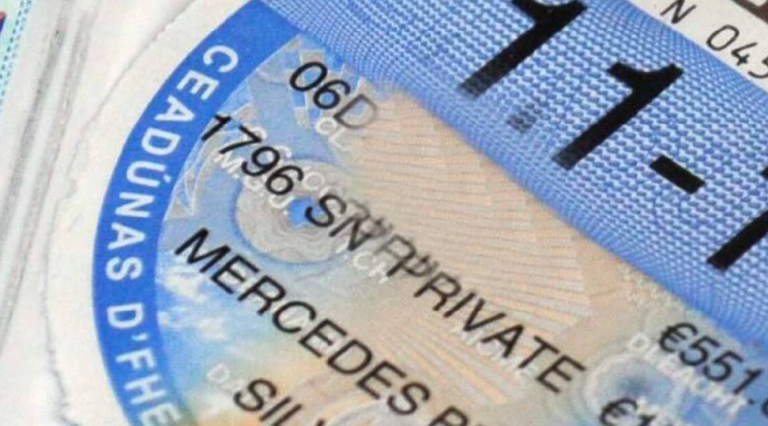
Motor tax is a legal requirement for any motor vehicle used on public roads in Ireland. If your car is parked outside your home in South Dublin or commuting daily through the M50, it must be taxed and display a valid motor tax disc on its windscreen.
The system is overseen by the Department of Transport and Revenue and administered through local motor tax offices.
To legally drive your car in Ireland, it must be:
- NCT compliant (if applicable)
- Insured
- Taxed with the appropriate fee paid
You can check your motor tax status and vehicle details directly on Revenue.ie or via the online motor tax service at motortax.ie.
How Motor Tax Is Calculated
This is where most buyers get caught out.
Your motor tax rate depends mainly on when your car was first registered and its emission levels or engine size.
Cars Registered Before July 2008
If your vehicle was first registered before July 2008, motor tax is calculated based on engine size (cc).
Generally:
- Larger engines = higher tax
- Smaller engines = lower tax
Older 1.8L or 2.0L petrol cars can be surprisingly expensive to tax every year. We often see buyers focus on purchase price and forget to check the annual running costs.
Cars Registered From July 2008 Onwards
For private cars registered after July 2008, motor tax is calculated based on CO₂ emissions (g/km), measured using the WLTP standard for newer vehicles.
Lower emissions mean lower annual tax.
This change was introduced to encourage greener driving and reduce carbon output. It’s one of the reasons modern Suzuki models are so popular with Dublin drivers — they’re efficient, practical, and sit in lower tax bands.
Motor Tax Bands Explained
Post-2008 cars fall into emissions bands (A to G):
- Band G – Highest emissions, highest annual rate
- Band A – Lowest emissions, lowest annual rate
Electric cars benefit from the lowest motor tax rates, with an annual rate currently set at €120 for Battery Electric Vehicles.
How to Apply and Renew Motor Tax
You can pay motor tax online, by post, or in person at your local motor tax office.
Motor Tax Online
The online motor tax service at motortax.ie is fast, easy, and secure. You’ll need your vehicle registration number, vehicle registration certificate details, and a PIN (usually the last six characters of your VIN or registration certificate number).
You can choose to tax your vehicle for 3, 6, or 12 calendar months, with the annual rate often being the most cost-effective.
Renewing by Post or In Person
If you prefer, you can renew your motor tax by post using the renewal form (Form RF100B) or visit your local motor tax office with the completed form and appropriate fee. You will receive a new motor tax disc to display on your vehicle.
First-Time Taxing and Change of Ownership
If you are taxing a new vehicle or a second-hand vehicle for the first time, you will need to complete Form RF100 and provide proof of vehicle ownership, such as the vehicle registration certificate.
When buying or selling a vehicle, it’s essential to register the change of ownership promptly, as you cannot tax a new vehicle until this is done.
Declaring a Vehicle Off the Road (Statutory Off Road Declaration - SORD)
If your vehicle is not being used, you can declare it off the road to avoid paying motor tax during that period.
- If you delay filing the declaration, you remain liable for motor tax until the declaration is made.
- You can declare your vehicle off the road for a period between 3 and 12 months.
- The declaration must be made in the same month your current tax disc expires.
Consequences of Not Paying Motor Tax
Driving or parking a vehicle on a public place without a valid motor tax disc is illegal and can result in:
- Difficulties in renewing insurance or selling the vehicle
- Vehicle seizure by Gardaí
- Fines and court summons
Additionally, arrears become payable at a monthly rate of one tenth of the annual rate from one month after your tax expires.
Motor Tax for Commercial and Other Vehicle Types
Commercial vehicles, including goods vehicles and public service vehicles, are taxed differently—usually based on unladen weight rather than emissions.
Vehicles such as emergency services vehicles, disabled persons’ vehicles, and state-owned vehicles may qualify for specific exemptions or reduced rates.
If your vehicle is used for business or educational purposes, ensure it is correctly classified to avoid incorrect taxation.
Refunds and Replacement of Lost Tax Discs
You may be eligible for a refund of motor tax in certain circumstances, such as if the vehicle is scrapped, stolen and not recovered, or permanently exported, provided at least three calendar months remain on the current disc.
If you lose your motor tax disc, you can apply for a replacement at your local motor tax office by submitting the appropriate completed form and paying a small fee.
The Bottom Line
How Ireland’s motor tax system works comes down to two key factors:
Its engine size or CO₂ emissions
When the vehicle was first registered
Before you buy, check the tax band and motor tax status. It’s just as important as mileage, condition, and service history.
Thinking about upgrading to a more tax-efficient Suzuki?
Visit Gerry Caffrey Motors in Terenure, Dublin 6W.
Whether you’re trading in, financing, or simply comparing options, we’ll help you choose a car that makes sense — not just today, but for every year you own it.