How Automotive Trends Have Changed Over the Last Decade
The automotive industry has undergone profound changes over the last ten years, driven by evolving automotive industry trends and shifting consumer demand. From the rise of hybrid electric vehicles and battery electric vehicles to major advances in automotive manufacturing and software-defined vehicles, today's drivers expect far more than just transportation.
In Ireland, these changes reflect global influences such as geopolitical tensions, supply chain resilience efforts, and regulatory requirements from entities like the European Union and European Commission. Rising fuel costs, local low emission zones, and evolving Revenue and VRT rules have also shaped consumer preferences and vehicle production.
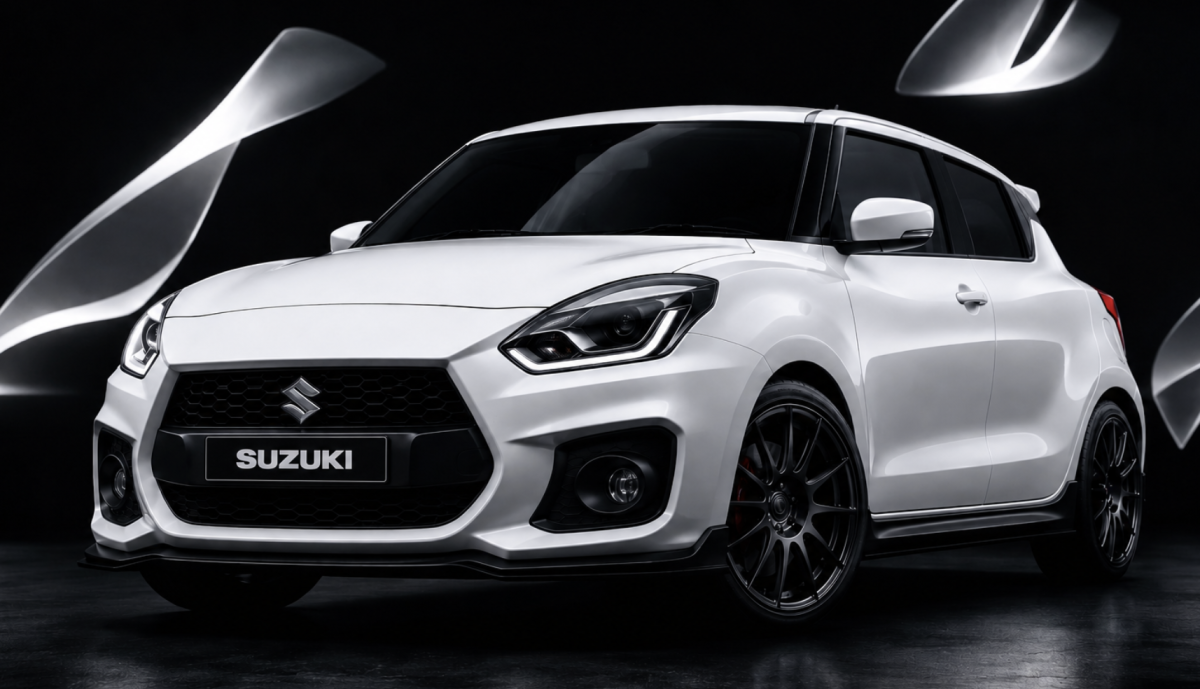
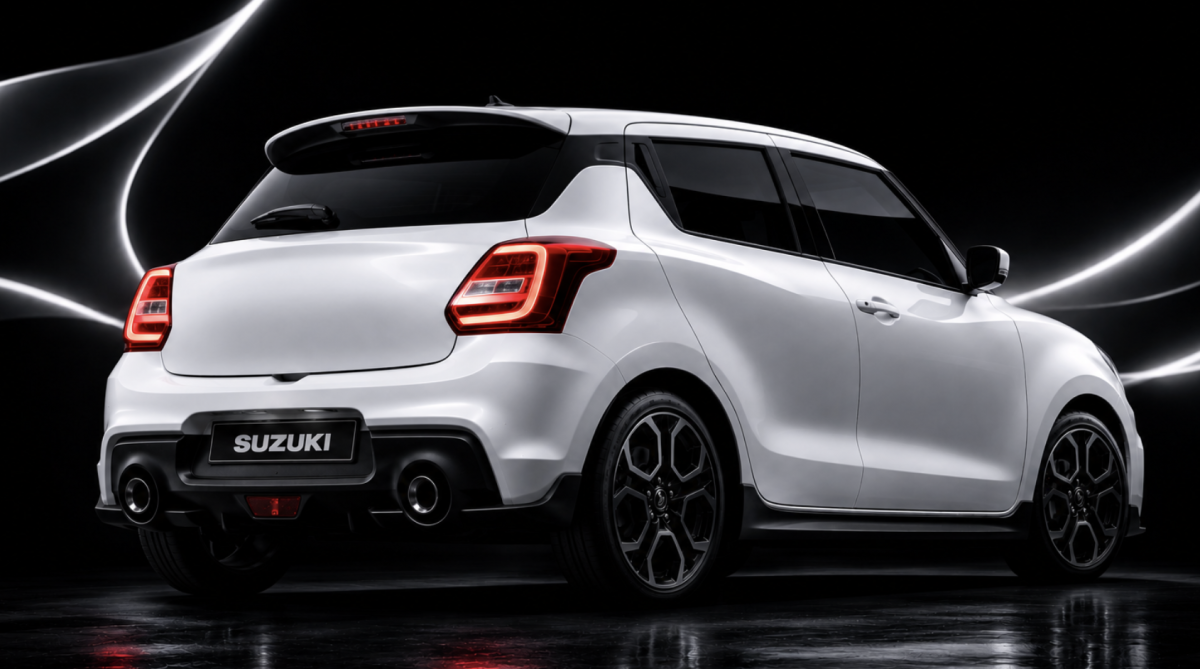
At Gerry Caffrey Motors in Terenure, Dublin 6W, we've witnessed these shifts firsthand. Whether customers choose a new Suzuki Vitara, trade in a Suzuki S-Cross, or seek a reliable used Suzuki Swift, buying decisions today are influenced by advanced automotive technology, operational efficiency, and sustainability considerations—very different from 2016.
The Evolution of the Automotive Industry
A decade ago, combustion engine vehicles, especially diesel models, dominated Irish roads. Motorists prioritized fuel economy, particularly for long commutes across Dublin and the wider Leinster region.
Today, the automotive world is evolving rapidly. The automobile industry has shifted from a mechanical engineering focus toward a technology-driven business model. Automotive companies have made significant investments in hybrid models, battery electric vehicles, advanced driver assistance systems, and vehicle connectivity. Stricter emissions standards and changing tax structures have accelerated the shift toward low emission zones and electrification.
Irish buyers are now more informed and data-driven. They research vehicle running costs, resale values, NCT requirements, and production costs before purchasing, reflecting the most accurate data available on vehicle prices and total cost of ownership.
Automotive Industry Trends and Technology That Have Changed Driving
One of the most impactful automotive trends over the last decade has been ADAS moving from a premium add-on to an expected feature in modern vehicles.
Features once exclusive to premium vehicles are now common in many family cars, including the Suzuki range. These advanced safety features help reduce human error. These include:
- Blind Spot Monitoring
- Smartphone Integration with Apple CarPlay and Android Auto
- Rear Parking Cameras
- Automatic Emergency Braking
- Lane Departure Warning
- Adaptive Cruise Control
Collision mitigation systems and lane change assistance are now commonly included in new vehicles. The latest Suzuki Vitara and Suzuki S-Cross models include many of these technologies as standard, enhancing safety, comfort, and the overall driving experience for Irish families and commuters navigating busy Dublin traffic or long journeys on the M50.
The European Union mandates advanced safety features by 2024, reinforcing the importance of these technologies in new vehicle production.
Electric Vehicles Growth Has Reshaped the Market
Perhaps the most significant automotive trends over the last decade involve the rise of battery electric vehicles and hybrid electric vehicles.
Back in 2016, electric vehicles accounted for a tiny fraction of new car registrations in Ireland. Charging infrastructure was sparse, and range anxiety limited adoption. Today, BEV sales have surged globally, and by 2024 more than one in five cars sold worldwide was electric. Battery Electric Vehicle sales grew by 40% in 2025, though BEV adoption is progressing at different speeds by market, with increased demand in emerging markets like Southeast Asia and established markets in Europe, South America, the Middle East, and the US. Charging infrastructure was sparse, and range anxiety limited adoption, but infrastructure challenges remain, with 70% of US consumers still citing charging access as a barrier. Global vehicle sales trends also show how quickly the market is shifting. In China, BEVs have reached price parity with ICE vehicles, adding pressure from Chinese manufacturers, while US BEV adoption is projected to approach 20% by 2030.
Hybrid technology has emerged as a practical alternative for many Irish motorists, as hybrid vehicles combine electric power with combustion engines and reduce carbon emissions without requiring charging. Suzuki supports this transition with mild-hybrid and full-hybrid options across popular models such as the Swift, Vitara, and S-Cross. Automakers are also rapidly expanding HEV offerings in mature markets. Hybrid electric vehicles often carry a 5-10% price premium over ICE models, but fuel savings can offset that upfront cost over roughly 40,000 miles.
Solid-state batteries, offering higher energy density and enhanced safety compared to lithium-ion batteries, are expected to reach commercial scale within roughly 6-10 years, promising to reshape electric vehicle technology.
Changes in Consumer Car Preferences
Consumer preferences have seen significant changes, influenced by evolving landscape factors such as vehicle production, supply chain disruptions, and new business models. These preferences also reflect current trends across the auto industry.
Today, Irish buyers commonly seek:
Better Fuel Economy
With fluctuating fuel prices and increasing environmental awareness, fuel efficiency remains a top priority. In recent trends, average new vehicle fuel economy reached a record 27.2 mpg in 2024, reflecting in part the mix of vehicles produced today. Hybrid electric vehicles often carry a 5-10% price premium over ICE models, but fuel savings can offset that upfront cost over roughly 40,000 miles.
SUV Practicality
Compact SUVs like the Suzuki Vitara and S-Cross have gained popularity for their versatility, higher driving position, and suitability for both urban and rural driving. The popularity of SUVs and larger vehicles has significantly influenced vehicle manufacturing trends worldwide.
Finance Flexibility
Structured finance options such as PCP and Hire Purchase are preferred, allowing drivers to manage vehicle prices and production costs effectively. Gerry Caffrey Motors offers flexible finance solutions across new and used vehicles.
Quality Used Cars
The used car market demands transparency, warranty options, and certified vehicle programmes. Buyers compare new and premium used Suzuki models to balance budget with features.
How Irish Regulations Have Influenced Buying Decisions
Irish motorists face unique considerations shaped by:
- Environmental incentives
- Revenue regulations
- NCT standards
- CO₂-based taxation
- Vehicle Registration Tax (VRT)
These regulatory requirements have encouraged consumers toward low emission zones-compliant vehicles, hybrid models, and efficient petrol engines, factoring future running costs into purchase decisions.
Manufacturing and Supply Chain Trends
The automotive manufacturing landscape has also evolved, with manufacturers adopting smart factories and Industry 4.0 integration as new standards. These smart factories leverage digital technology, AI, and robotics to improve production efficiency and reduce downtime through predictive maintenance and real-time monitoring.
Material volatility and cost inflation have impacted manufacturing costs, driven by shortages in semiconductors, battery metals, and specialty materials. To mitigate risks, automakers are localizing production, diversifying supply chains, and embracing regionalization strategies, reducing dependencies on single countries.
Digital twins and AI-driven supply chain optimization have become essential tools for managing complexity and ensuring quality across production networks. These technologies enable better forecasting, resource planning, and operational resilience.
The Future of the Automotive Industry
Looking ahead, these recent shifts point to an industry increasingly defined by software, electrification, and sustainability, and the automotive industry will be shaped over the next decade by key trends including:
Increased Electrification
Automotive companies are expanding EV and hybrid offerings, responding to consumer demand and regulatory pressures as the industry makes a major shift from internal combustion engines toward zero-emission technology. Automakers are also making significant investment in EV production and reworking traditional supply chains to support that transition. Solid-state batteries are widely expected to reach commercial scale within roughly 6-10 years.
Advanced Connectivity
Software-defined vehicles and vehicle connectivity are becoming standard, with 5G technology enhancing connectivity, real-time data transmission, and over-the-air updates, while artificial intelligence improves customer experience and operational efficiency. Connected vehicles can also communicate with traffic infrastructure in real time using V2X technology. Modern vehicles can receive over-the-air updates much like smartphones. Software-defined vehicles rely on software for core operations and need regular updates to maintain performance. They also enable continuous improvement through data integration, and automakers are centralizing software architectures to support that model. Software-defined vehicles are expected to dominate automotive production by 2026, with shifts like Honda partnering with Amazon Web Services reflecting that direction.
Greater Focus on Sustainability
Consumers and regulators alike demand vehicles with lower environmental impact, supported by innovations like solid-state batteries and renewable energy-powered charging infrastructure. The use of sustainable materials is also becoming a bigger priority across the value chain. Smart factories are becoming the new standard in automotive manufacturing, supporting more efficient production. Automakers are also using artificial intelligence for supply chain optimization, linking sustainability goals with operational improvements.
Autonomous Driving Technology
Autonomous driving technology continues to advance, with vehicles equipped with Level 2 and Level 3 automation becoming more common. While fully autonomous driving remains a few years away, the integration of autonomous driving technology enhances safety and convenience. Autonomous fleet-as-a-service models are also emerging, particularly in urban areas, promising to reshape mobility options in the future.
What This Means for Irish Drivers Today
For motorists across Dublin and Ireland, the evolving automotive supply chain and manufacturing processes, including more regionalized and resilient global supply chains, translate to more choice, better technology, and improved safety. Automakers are also diversifying sourcing and production to reduce reliance on single-country dependencies.
Whether you prefer a compact city car like the Suzuki Swift, a versatile family SUV like the Vitara, or the spacious Suzuki S-Cross, today's vehicles offer lower running costs, advanced safety features, and connectivity options previously unimaginable. In the years ahead, some drivers may also weigh flexible mobility options alongside personal vehicles, including car-sharing and ride-hailing.
At Gerry Caffrey Motors, we leverage the latest trends in the automotive sector to help customers find vehicles suited to Irish roads, weather, and lifestyles.
Considering a Suzuki upgrade? Stop by Gerry Caffrey Motors in Terenure, Dublin 6W to check out our newest inventory, talk about financing solutions, or get a trade-in appraisal from our knowledgeable staff.