Hidden Flood Damage: Common Types That Don’t Show Up Immediately
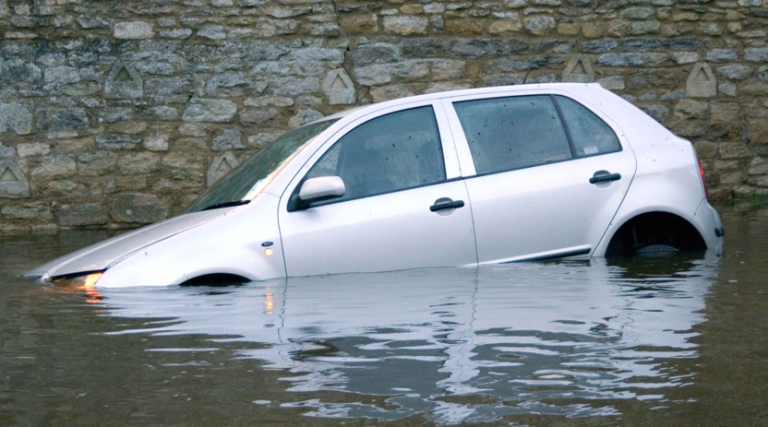
Ireland gets its fair share of rain.
And when heavy downpours hit Dublin, South Dublin, or anywhere along the east coast, certain affected areas experience surface water build-up fast. Even a quick drive through standing water can cause common flood damage that doesn’t show up immediately — especially in modern cars packed with electronics.
At Gerry Caffrey Motors in Terenure, we’ve seen it more than once. A car looks fine after a flood. It drives home. It passes a quick once-over.
Then weeks later? The problems begin. In the immediate aftermath of extreme weather events like flooding, it’s crucial to follow public safety advice and stay alert to potential vehicle issues that may arise.
Let’s look at what you should really watch for.
The public is urged to be vigilant, as flooding can change very quickly with small amounts of rain.
Assessing Flood Risk and Emergency Alerts
Assessing flood risk is a vital part of staying safe and prepared during Ireland’s frequent severe weather conditions. With heavy rain and unpredictable local weather conditions, understanding your area’s flood risk can make all the difference when it comes to protecting your home, vehicle, and family.
Local authorities and emergency services, including the ESB emergency services, the Irish Coast Guard, and the National Emergency Co-ordination Group, work together to monitor flood risk and coordinate emergency response. They use up-to-date information on river levels, rainfall, and weather forecasts to identify properties directly affected and areas most at risk. High coastal water levels may impede river discharge, increasing flood risk in low-lying areas.
By checking local authority websites, social media platforms, and signing up for the free text alert system, you can stay informed about flood warnings, road closures, and emergency response plans in your area.
Local response teams play a crucial role in managing flood risk, from deploying sandbags to clearing drains and supporting affected households with local supplies. These teams, alongside emergency services, are on the ground during severe weather, helping communities respond quickly to emerging threats and hidden dangers such as electrical hazards or compromised structural integrity.
If your home or business has incurred significant damages due to flooding, there are financial support schemes available to help meet emergency costs. The Emergency Humanitarian Flooding Scheme and the Emergency Response Payment offer income-tested financial support to help cover immediate and essential costs, including essential structural repairs and replacement of other essential household items and basic furniture items. These schemes are designed to support those who need it most, ensuring that emergency costs don’t become an overwhelming burden.
It’s also important to have a personal emergency plan in place, especially if you live in an area with a history of flooding. Know where to find the latest updates, keep essential items ready, and be aware of the risks that may not be immediately visible—like water-damaged electrics or weakened building structures.
By staying alert to local weather conditions, regularly checking local authority websites, and understanding the financial support available, you can better protect yourself and your property from the impact of flooding. Proactive assessment and preparation are key to reducing the risks and costs involved with severe weather, helping you and your community stay safe and resilient.
Hidden Dangers: Electrical Issues After Flooding
Modern Suzuki models like the Vitara, Swift, and S-Cross are loaded with driver-assist tech, infotainment systems, and sensors. They’re brilliant on Irish roads — but water and electronics don’t mix. Floodwater can corrode wiring and damage electrical systems, creating risks of fire or electrocution.
Dashboard Warning Lights
You might notice random warning lights weeks after driving through water.
ABS. Airbag. Engine management.
Moisture can slowly corrode wiring connectors, especially under seats and in footwells. The issue doesn’t always show up straight away — corrosion takes time.
In our experience, these are some of the most common delayed flood damage signs we see in used imports.
Corrosion in Hidden Areas
Salt, moisture, and Irish weather are already tough on cars. Add floodwater and it accelerates.
Underbody Rust
Water trapped inside chassis rails or subframes can quietly eat away at metal.
You won’t see it during a casual inspection. But when NCT time comes around, corrosion underneath can cause a fail.
The NCT checks structural integrity carefully, and hidden rust from past flooding can surface there. You can learn more about NCT standards from the Road Safety Authority.
Damp Interiors and Mould Growth
Sometimes the damage isn’t mechanical — it’s environmental. Damp environments inside a vehicle pose a health risk and, if not properly addressed, can lead to a serious health risk due to mold and mildew growth.
Even if the surface feels dry, moisture can sit underneath for months. Mold can cause serious respiratory problems, skin irritation, and other health problems, and according to 2026 health standards, mold can begin growing within 48 hours of exposure to moisture.
Persistent Damp Smell
That musty smell that won’t go away?
It’s often a sign water got into carpets, seat foam, or insulation. Even if the surface feels dry, moisture can sit underneath for months.
We often see this in cars that were “professionally valeted” after minor flooding before being sold on.
If you're buying used in Ireland — especially imports — always check for condensation in headlights, boot wells, and under spare tyres.
Transmission and Differential Problems
Driving through deep water can allow moisture into gearbox breathers and differential vents.
It doesn’t cause instant failure. Instead, it contaminates fluids slowly.
Weeks or months later, you might notice rough gear changes or whining noises.
For automatic gearboxes, especially in hybrid or newer Suzuki models, fluid contamination can become expensive if left unchecked.
Airbag and Safety System Faults
Flood damage doesn’t just affect convenience features. It can compromise safety.
Airbag modules are often located under seats or low in the cabin. Water exposure can trigger corrosion inside the control unit.
The car may drive perfectly — until the airbag warning light appears.
When it comes to safety systems, there’s no room for guesswork.
Battery and Hybrid System Issues
Modern cars rely heavily on electrical health.
Flood exposure can shorten battery life dramatically. Corroded terminals or water-damaged wiring loom connections might only show issues months later.
In our experience with Dublin drivers, winter is when these hidden issues show themselves — cold weather exposes weak batteries quickly.
Flood Damage in Imported Used Cars
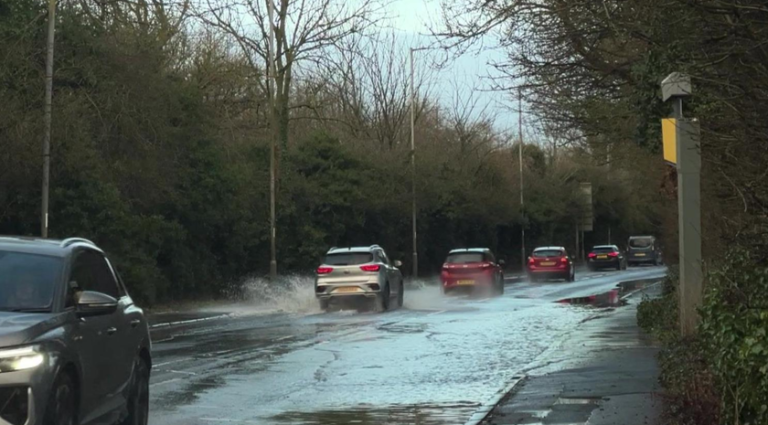
Ireland imports thousands of used cars every year. Some come from flood-affected regions in the UK or mainland Europe.
While many are perfectly sound, hidden water damage can slip through if inspections aren’t thorough.
That’s why buying from a trusted Irish dealership matters.
At Gerry Caffrey Motors, every used vehicle goes through a detailed pre-sale inspection. We check for:
- Full service history verification
- Electrical system diagnostics
- Corrosion underbody inspection
- Water ingress signs
How to Protect Your Car from Flood Damage
Irish weather isn’t changing anytime soon. So here’s what we recommend:
- Don’t ignore minor electrical glitches
- Replace contaminated fluids early
- Get your car checked after heavy flooding exposure
- Always obey road closed signs and never drive through flooded areas—ignoring these signs can be dangerous for you and others
- Avoid driving through standing water if you can’t judge the depth
Flooding and Local Response Teams: What You Should Know
Flooding in Ireland can be sudden and severe, with flooding local response teams and emergency services actively coordinating emergency responses to manage the situation. Community welfare officers are on the ground in affected areas, providing humanitarian support to each household affected by flooding. The community welfare service is available to assist households affected by severe weather, offering emergency assistance and support schemes. The Irish Red Cross has set up a helpline to provide support to distressed people affected by flooding, ensuring emotional and psychological help is accessible. Local authorities are deploying and replenishing sandbags to prevent flooding and are carrying out assessments on roads affected by flooding, sometimes keeping roads closed due to damage. Voluntary and sports organisations, including sports organisations affected by flooding, are also supported by local response teams and support schemes. It’s important to stay informed by checking local authority websites and social media platforms for community alerts and updates on flood risk and road closures.
Always obey road closed signs and avoid bypassing them to ensure your safety and that of others. Flooding can impact transport services, so plan extra travel time and expect surface water and debris on roads.
Financial Support, Emergency Support Payments, and Flood Insurance for Flood Damage
If your vehicle or property has suffered flood damage, you may be eligible for financial support through schemes like the Emergency Response Payment or the Emergency Humanitarian Flooding Scheme. Making insurance claims for flood damage can be a complex process. It’s important to obtain flood insurance to protect your property or business, though some may face challenges if they are unable to secure such coverage. These income-tested financial support options help meet emergency costs and essential structural repairs after severe weather events, and support schemes will consider whether affected households or organisations can meet these costs from their own financial resources.
The Emergency Humanitarian Flooding Scheme is open for small businesses and community, voluntary and sports organisations affected by flooding. The scheme provides a contribution towards the costs of returning a premises to its pre flood condition. The upper limit for payments under the scheme has been increased from €20,000 to €100,000 for the most impacted premises. The scheme is administered by the Irish Red Cross on behalf of the Department of Enterprise, Tourism and Employment. Note that the Emergency Response Payment does not cover commercial, agricultural, or business losses. General compensation payments are not part of the specific financial aid provided for direct flood impacts; instead, these schemes focus on actual damages and unanticipated and exceptional costs. The humanitarian assistance scheme is designed to provide emergency financial aid to those most in need, and social protection generally adopts such measures to support vulnerable populations during severe weather events.
It’s also vital to have appropriate flood insurance or comprehensive coverage to protect against unanticipated and exceptional costs related to flood damage. Consulting with your insurance company early and accurately reporting all damages can help ensure a smoother claims process.
What To Do If You Suspect Hidden Flood Damage
If something feels “off” after heavy rain — don’t ignore it.
Strange smells. Flickering electrics. Rough gear shifts.
Getting it inspected early could save you from a major repair bill down the road.
In our experience serving drivers across Terenure, Templeogue, Rathfarnham, and wider South Dublin, early diagnostics make all the difference.
Thinking about upgrading to a newer, fully inspected Suzuki instead of worrying about hidden damage?
Visit Gerry Caffrey Motors in Terenure, Dublin 6W, or browse our latest stock online. We’re always happy to help you trade in with confidence.