Heat: The Silent Killer of Cars
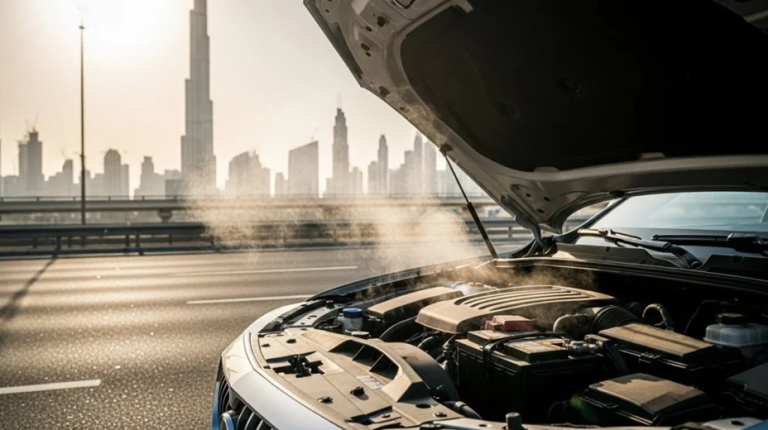
We don’t often associate Ireland with extreme heat—but when it hits, your car feels it.
A warm spell in Dublin, combined with stop-start traffic on the M50 or short urban runs around Terenure, can quietly put serious strain on your vehicle. And unlike winter issues, heat damage often builds up unnoticed.
Why Heat Is Harder on Your Car Than You Think
Most drivers worry about cold starts in winter. But in reality, how heat affects car performance can be far more damaging—especially over time.
High temperatures impact:
- Operating temperature stability
- Fluids and coolant circulation
- Battery health and lifespan
- Car engine efficiency and power output
In our experience, many issues we see during summer months could’ve been prevented with simple checks.
Engine Overheating: The Biggest Risk
Your engine runs hot by design—but it relies on a properly functioning cooling system, including the radiator, radiator fan, water pump, and thermostat, to maintain the correct pressure and prevent overheating engine conditions.
Common causes include:
- Blocked radiator hoses or radiator blockages
- Damaged radiator cap allowing coolant loss
- Faulty cooling fan
- Faulty or failing water pump
- Low or improper coolant levels
Driving in traffic-heavy areas like South Dublin doesn’t help either. Less airflow means less cooling—especially on warmer days.
If ignored, engine overheating can lead to serious engine damage such as head gasket failure, warped cylinder heads, or even engine block damage—and a hefty repair bill.
Cooling System Issues: Small Problems, Big Consequences
The vehicle's cooling system is one of the most important (and most overlooked) parts of your car.
We often see cars come in where:
- Minor coolant leaks from faulty water pumps or hoses have gone unnoticed
- Old engine coolant has lost effectiveness and is boiling coolant prematurely
- Coolant hasn’t been topped up to proper coolant levels
Modern Suzuki models like the Vitara and S-Cross are built for efficiency, but like any vehicle, they still rely on proper maintenance and regular inspections to prevent overheating.
Keeping your car's cooling system in check is essential—especially if your car is due an NCT or you want to prevent overheating in hot weather.
Heat and Your Car Battery
Here’s one that surprises people—heat can be worse for your battery than cold.
High temperatures speed up chemical reactions within the battery, leading to electrolyte evaporation and corrosion, which shortens the battery's lifespan..
In Dublin’s summer conditions, we often see:
- Unexpected failures leading to car troubles
- Reduced performance
- Batteries draining faster
If your car is a few years old, it’s worth getting the battery tested before it gives up on you.
Fluids Break Down Faster in Heat
Engine oil, engine coolant, and brake fluid all degrade faster in higher temperatures.
That means:
- Increased risk of overheating engine and component damage
- Reduced coolant circulation and cooling efficiency
- Less effective lubrication, increasing internal friction and wear
We often advise customers—especially those buying used cars—to ensure fluid changes are up to date to prevent overheating and maintain operating temperature.
Irish Driving Conditions Make It Worse
You might think heat is only an issue abroad—but Irish driving conditions can amplify the problem.
Short trips, heavy traffic, and constant stopping mean:
- The car's cooling system, including radiator fan and water pump, works harder than expected
- Heat builds up under the bonnet
- Engines don’t get steady airflow
Add in occasional warm spells, and your car can be under more pressure than you’d think.
New vs Used: Why Modern Cars Cope Better
Newer cars—especially Suzuki’s latest models—are designed with improved cooling and efficiency.
Features like:
- Mild hybrid technology
- More efficient radiators and radiator fans
- Advanced engine management systems
…help regulate engine temperature better in everyday driving.
That said, even the most modern car still needs regular inspections, including checking proper coolant levels and cooling system components, to perform properly.
What We See at Gerry Caffrey Motors
At Gerry Caffrey Motors in Terenure, we often see heat-related issues that could’ve been avoided.
Things like:
- Radiator leaks or coolant leaks that disrupt coolant flow and cause boiling coolant
- Faulty thermostat or faulty radiator fan causing improper coolant circulation
- Missed servicing intervals leading to overheating engine risks
- Ageing batteries suffering from hot weather stress
- Low coolant levels due to leaks or coolant loss
In many cases, drivers only notice a problem when it’s already serious.
A quick che, including routine inspections of radiator caps and hoses, can make all the difference—especially before summer driving or long trips.
Simple Ways to Protect Your Car from Heat
You don’t need to be a mechanic to prevent heat damage.
A few simple steps go a long way:
- Ensure radiator hoses, water pump, and heater core are in good condition
- Avoid pushing the engine hard in heavy traffic or hot weather
- Get your battery tested if it’s older or showing signs of failure
- Look out for white smoke, which can indicate serious overheating or coolant leaks
- Watch for warning signs like temperature warning light or temperature gauge rising into the red
- Keep up with routine inspections and servicing to prevent coolant loss and overheating
- Check coolant levels regularly in the coolant tank and expansion tank cap
It’s about staying ahead of problems—not reacting to them.
What to Do If Your Car Overheats
If your temperature warning light comes on or you see steam coming from under the bonnet:
- Act quickly—delaying can lead to costly repairs
- If overheating continues after restarting, pull over and seek roadside assistance or a qualified technician to prevent head gasket failure or other serious damage
- Check the coolant tank and top up with engine coolant if levels are low—avoid using straight water
- Never pour cold water on a hot engine, as this can cause further damage such as warped cylinder heads or a cracked engine block
- Wait at least 15-30 minutes for the engine to cool before checking coolant levels
- Find a safe place to pull over and switch off the engine
- Immediately turn off the air conditioning and switch the heater to maximum heat to help dissipate engine heat
Signs Your Car Is Overheated
Watch out for:
- Sudden loss of power while driving
- Sweet smell or puddles of coolant under the car indicating leaks
- Temperature gauge creeping into the red zone
- Steam rising from the hood
- Temperature warning light on the dashboard
Recognizing these signs early can help you avoid severe engine damage.
The High Cost of Ignoring Overheating
Ignoring an overheated engine can lead to:
- Costly repairs or even engine replacement
- Engine block damage
- Warped cylinder heads
- Blown head gaskets
Proper maintenance and early action can prevent these outcomes.
A Quick Note on Running Costs
Heat-related damage can also affect your running costs.
Poor engine performance or worn key components can lead to:
- Potential repair costs from overheating engine damage
- Increased emissions (which matters for NCT compliance)
- Higher fuel consumption due to reduced combustion efficiency
Thinking About Upgrading?
If your current car is starting to show signs of wear—or you want something more efficient and reliable—it might be time to consider an upgrade.
At Gerry Caffrey Motors, we stock quality used and nearly-new Suzuki models that are built for Irish driving conditions.
We also offer flexible finance options and welcome trade-ins, making it easier to upgrade without stress.