Fuel Filter: What Is It Keeping Out of Your Engine?

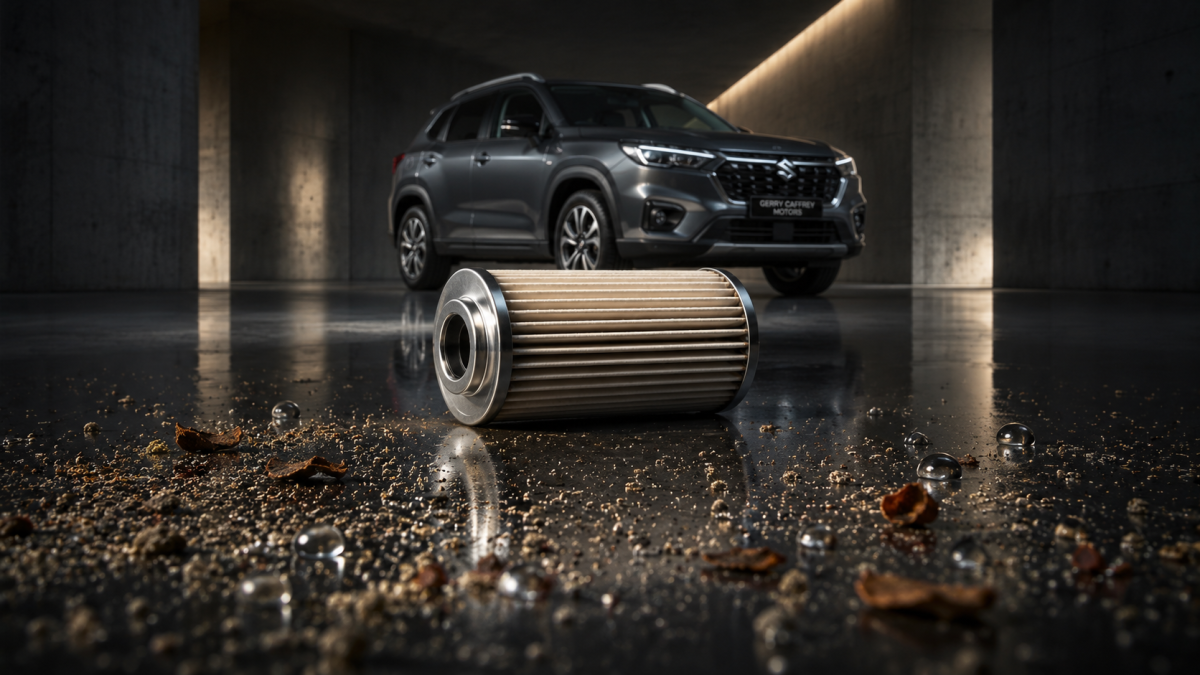
Your engine needs a steady supply of clean fuel to achieve optimal performance. Unfortunately, the fuel travelling from the gas tank isn’t always as spotless as you might imagine.
Tiny particles of dirt, rust, sediment, debris, and other impurities can enter the fuel system over time. Your fuel filter catches this unwanted material before it reaches sensitive—and expensive—engine components.
It’s a relatively small part doing a very important job. The fuel filter is the most basic type of fuel system maintenance but is essential to protect your car's engine and maintain the vehicle's performance.
What Does a Fuel Filter Do?
The fuel filter sits between your car’s fuel tank and engine. Depending on the vehicle, it may be located inside the tank, along the fuel line, or within the engine bay. Some modern vehicles incorporate the fuel filter into the fuel-pump assembly inside the gas tank.
As fuel passes through, the filter traps contaminants while allowing clean fuel to continue towards the fuel pump, injectors, and engine. Fuel injectors deliver fuel directly into the combustion chamber, where it mixes with air for combustion.
Modern engines use precisely controlled fuel-injection systems. Even a small amount of contamination can interfere with an injector’s spray pattern or restrict fuel flow, affecting how smoothly and efficiently the engine runs.
Similarly, other components like the air filter and exhaust system also play essential roles in maintaining engine performance.
What Is Your Fuel Filter Keeping Out?
A good fuel filter can protect the engine from several types of contamination.
Dirt and Road Grit
Small particles can find their way into a fuel tank during refuelling, previous repairs, or years of everyday use.
Irish roads and wet weather don’t directly put grit into a sealed fuel tank. However, older seals, damaged fuel caps, and poor maintenance can make contamination more likely.
Rust and Metal Particles
Corrosion can develop inside older metal tanks or fuel-system components. Tiny flakes may then travel with the fuel towards the engine.
The filter catches this material before it reaches the injectors or fuel pump.
Sediment From the Fuel Tank
Deposits can collect at the bottom of a tank as a vehicle ages. They may be disturbed when the fuel level is very low or when the car travels over rough surfaces.
This is one point why we don’t recommend constantly running a car close to empty.
Water and Moisture
Fuel and water don’t mix well. Moisture may enter through condensation, poor storage, or contaminated fuel.
Some diesel fuel filters incorporate a water-separation function. This is particularly important because water can damage high-pressure diesel pumps and injectors.
Diesel Contamination
Diesel stored for long periods may develop deposits or microbial contamination where water is present. This is more common in vehicles that spend extended periods unused.
A fuel filter provides a valuable line of defence, but a badly contaminated tank may also need professional cleaning.
Why Clean Fuel Matters to Your Engine
Fuel injectors work through extremely small openings. If contamination reaches them, the engine may run unevenly, hesitate, or struggle to deliver its usual power.
A restricted filter can also force the fuel pump to work harder. Left unresolved, this extra strain may shorten the pump’s life and lead to a considerably more expensive repair.
In our experience, replacing a fuel filter at the correct interval—typically every 30,000 miles or every 2 years—is far more economical than dealing with damaged injectors or a failed high-pressure fuel pump.
Signs of a Clogged Fuel Filter
A fuel filter usually becomes restricted gradually, so the early symptoms can be easy to overlook.
Common warning signs include:
- Unusual noise from the fuel pump
- An illuminated engine-management light
- A noticeable drop in fuel efficiency
- Poor response at higher speeds
- Engine stalling
- Rough idling or intermittent misfiring
- Loss of power when climbing hills
- Hesitation during acceleration
- Difficulty starting the engine
We often see drivers assume these symptoms mean the battery or spark plugs are at fault. In reality, several mechanical or electrical problems can produce similar behaviour.
That’s why proper diagnosis matters. Replacing parts without testing the fuel pressure, checking fault codes, and inspecting the wider fuel system can waste both time and money.
Can a Dirty Fuel Filter Reduce Fuel Efficiency?
A badly restricted filter may prevent the engine from receiving fuel at the required pressure. The result can be hesitation, weak acceleration, and inefficient running.
Drivers may also press the accelerator harder to compensate for the loss of performance, increasing fuel consumption.
However, a new fuel filter isn’t a miracle fuel-saving upgrade. If the existing filter is clean and functioning correctly, replacing it early is unlikely to produce a dramatic improvement.
Good fuel efficiency depends on the complete picture: correct tyre pressures, clean air and fuel filters, suitable engine oil, healthy sensors, and regular engine maintenance.
When Is Fuel Filter Replacement Needed?
There isn’t one replacement interval that suits every car.
The correct schedule depends on the engine, fuel type, model year, and filter design. Some filters are routine service items, while others are built into the fuel-pump module and inspected or replaced only under specific conditions.
Older diesel cars generally require more frequent fuel filter replacement than many newer petrol or hybrid models. The manufacturer’s service schedule and the car’s individual service history should always guide the decision.
AA Ireland includes fuel-filter replacement for diesel models within its major servicing guidance. Your vehicle handbook or owner's manual should still be treated as the primary reference for the correct interval.
Have the filter checked sooner if:
- The vehicle regularly operates in demanding conditions
- You’ve accidentally filled the tank with the wrong fuel
- Fuel contamination is suspected
- The engine is difficult to start
- It has been stored for a long period
- The car has an incomplete service history
Fuel Filters and Dublin Driving
Stop-start traffic through Terenure, Rathgar, and Dublin city can add substantial engine operating time without adding much mileage.
Short journeys also mean a car may rarely reach full operating temperature. While this doesn’t directly clog the fuel filter, it makes regular car servicing especially important because several engine and emissions systems are working under less-than-ideal conditions.
Longer commutes on the M50 or N7 place different demands on the fuel system. A partly blocked filter may only become obvious when the engine needs greater fuel flow during hard acceleration or sustained motorway driving.
In our experience, that loss of power under load is one of the most useful clues that a fuel-flow test may be needed.
Will a Fuel Filter Affect the NCT?
The NCT is an inspection of your car’s condition on the day of the test; it isn’t a substitute for scheduled maintenance.
A fuel filter isn’t something you should ignore simply because the car has an NCT certificate. A restriction may develop between tests, while poor running can contribute to increased emissions or other performance problems.
A fuel leak is a more urgent matter. If you smell petrol or diesel, notice fuel beneath the car or suspect a damaged fuel line, don’t continue driving unnecessarily. Arrange an inspection immediately.
What About Imported Used Cars, VRT and Revenue?
Imported vehicles can offer good value, but paperwork and mechanical condition need to be considered separately.
Revenue’s rules for registering imported vehicles cover VRT, VAT, and customs requirements where applicable. Completing that process doesn’t confirm that the car has been serviced correctly.
If you’re considering an imported used car, look for dated invoices and a clear maintenance record. Check whether the fuel filter was replaced at the correct interval, particularly on an older diesel vehicle.
A properly documented service history can also make the car easier to value when the time comes to sell or trade it in.
Fuel Filter Care for the Suzuki Swift, Vitara and S-Cross
Suzuki Swift, Vitara, and S-Cross models have been offered with different petrol, hybrid and diesel powertrains over the years. Their maintenance requirements aren’t identical.
A newer petrol-hybrid Swift may have a different filter arrangement from an older diesel Vitara or S-Cross. The correct part and service schedule should therefore be confirmed using the registration, VIN, and engine specification.
At Gerry Caffrey Motors, we work from the vehicle’s actual requirements rather than applying one generic interval to every Suzuki.
If you’re comparing new and used cars, remember that newer models may offer the latest hybrid technology and warranty cover. A well-maintained premium used Suzuki can offer excellent value, provided its service history supports its mileage and condition.
You can compare available options in our new and used vehicle stock.
What Happens During Fuel Filter Replacement?
The exact process depends on where the filter is fitted.
A technician may need to depressurise the fuel system, disconnect the battery, remove protective panels, and carefully detach the fuel lines. On some diesel vehicles, the new filter must be primed and the system bled correctly before the engine is started.
The old filter and seals are removed, the correct replacement is fitted and the system is checked for leaks. Fuel pressure and engine operation may then be tested to confirm that flow has been restored.
Fuel is highly flammable, and modern systems can operate at significant pressure. Unless you have the correct tools, equipment and technical knowledge, this isn’t a job to tackle casually at home. Careful handling is essential to avoid dangerous situations.
Does Service History Help Your Trade-In Value?
A complete service record gives a dealer or future buyer greater confidence that the vehicle has been properly maintained.
Invoices showing scheduled filter changes, correct engine oil, and other preventative work can strengthen that record. They also help distinguish a carefully maintained car from one that has simply been prepared for sale.
If you’re weighing up the price of maintaining your current car against changing it, Gerry Caffrey Motors can assess your trade-in and explain the available Suzuki offers and finance options.
Fuel Filter FAQs
Is a Fuel Filter the Same as an Oil Filter?
No. The fuel filter removes contamination from petrol or diesel before it reaches the engine. The oil filter removes particles circulating in the engine’s lubricating oil.
Both protect the engine, but they operate in separate systems.
Can I Clean a Clogged Fuel Filter?
Most modern automotive fuel filters are designed to be replaced rather than cleaned. Attempting to wash or reuse one may damage the filter material or reintroduce contamination.
Can a Car Run Without a Fuel Filter?
It may run temporarily, but contaminants would have a direct route to the pump and injectors. Operating without the correct filter risks serious fuel-system damage.
Will Replacing the Filter Fix Every Fuel-System Problem?
No. Similar symptoms can be caused by a failing pump, blocked injector, faulty sensor, ignition problem or contaminated fuel tank.
Testing should come before replacement unless the filter is already due under the service schedule.
Should I Replace the Filter Before My NCT?
Replace it if it’s due, restricted or causing symptoms—not simply because the test date is approaching. A proper pre-NCT inspection should consider the car’s overall mechanical condition.
Give Your Fuel System the Protection It Needs
Your fuel filter works quietly in the background, catching contamination before it can reach some of the most precise and costly parts of the engine.
If your Suzuki is hesitating, losing power or due a scheduled service, it’s worth having the fuel system checked before a small restriction becomes a larger repair.
You can book a Suzuki service with Gerry Caffrey Motors or speak with our team in Terenure, Dublin 6W.
Thinking about upgrading to a Suzuki? Visit Gerry Caffrey Motors to explore the Swift, Vitara and S-Cross, discuss your trade-in and find a finance option that comfortably suits your plans.