Fog Lights: When Should You Actually Turn Them On?
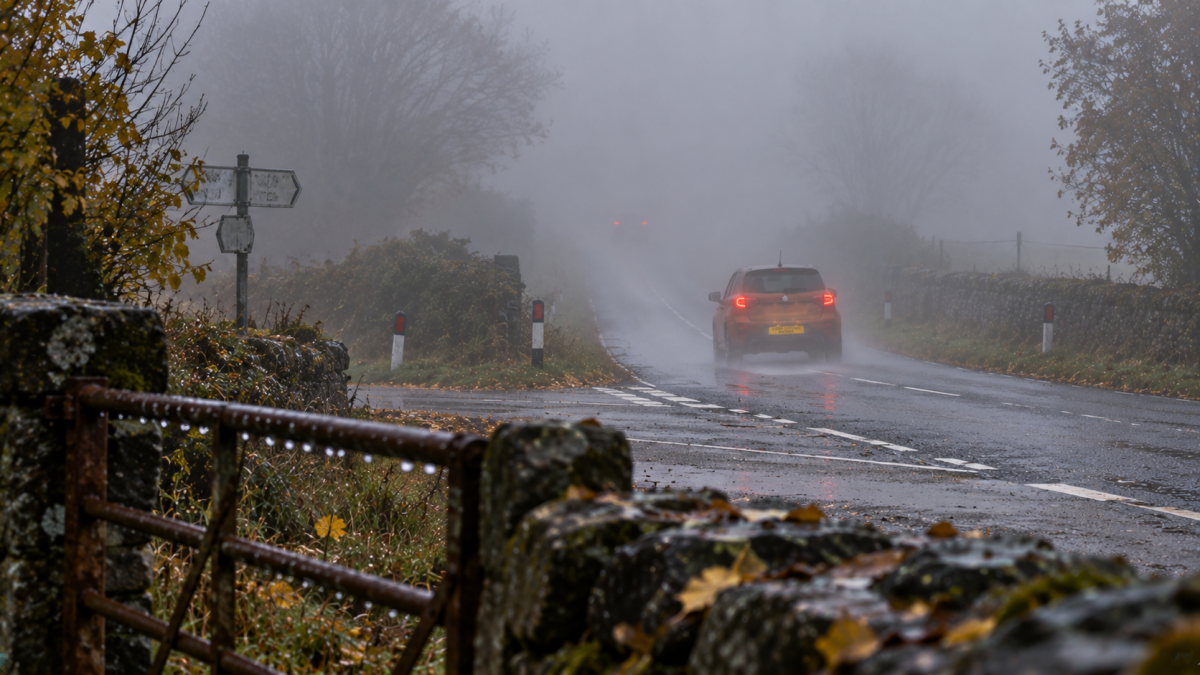
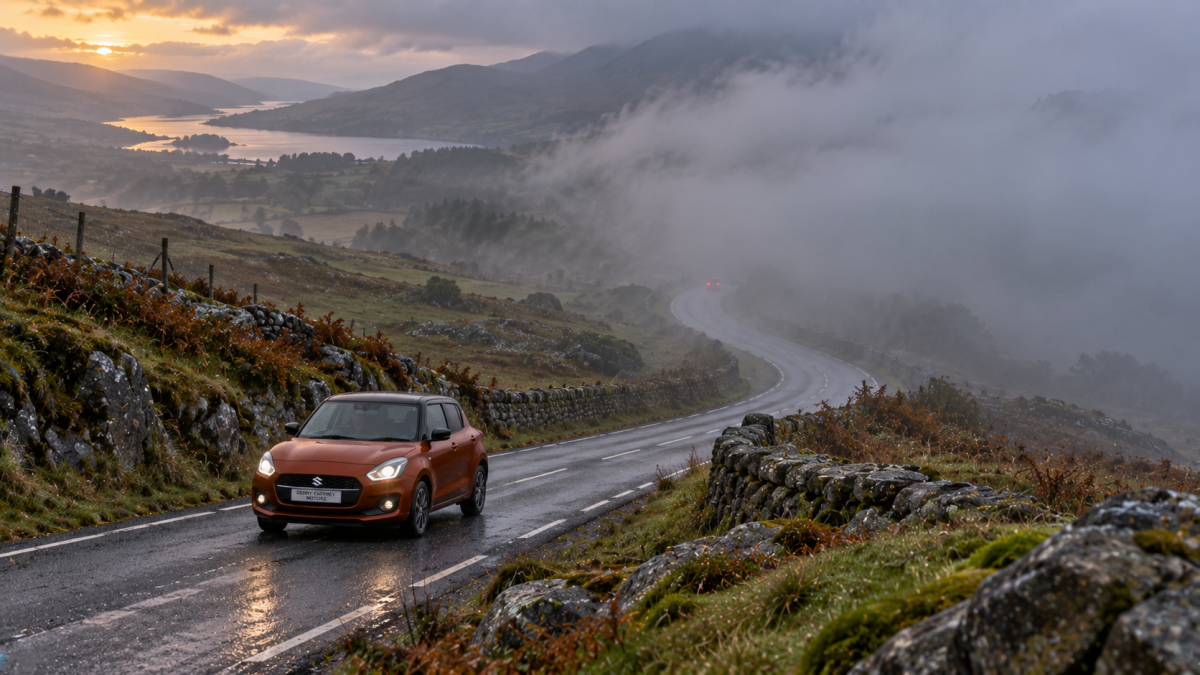
Fog lights are among the most misunderstood car lights on Irish roads. Some drivers switch them on at the first sign of drizzle, while others forget about them when visibility genuinely drops.
Here’s the simple answer: use your fog lights only in dense fog or falling snow, then switch them off as soon as visibility improves. They’re designed for seriously reduced visibility—not ordinary rain, darkness or a grey Dublin morning.
When Should You Use Fog Lights in Ireland?
The Road Safety Authority says fog lights must only be used in dense fog or falling snow. A useful real-world guide is the 100-metre rule: if you can’t clearly see roughly 100 metres ahead—about the length of a football pitch—conditions may justify using them.
That can happen quickly on Irish roads. A clear stretch of the M50 can give way to a fog bank, while higher routes around the Dublin Mountains, Wicklow or the Sally Gap can lose visibility in minutes.
Before switching your fog lights on, ask yourself one question: can other road users see my car clearly from a safe distance?
If the answer is no, fog lights can help. If normal visibility has returned, turn them off.
What’s the Difference Between Front and Rear Fog Lights?
Front and rear fog lights do different jobs, and your car may not have both.
Front Fog Lights
Front fog lights sit low on the car, usually at the front corners, and cast a broad, flat beam angled lower to the road surface. This angled lower beam reduces the amount of light reflected directly back from the fog, helping you pick out road markings, curbs, and the edge of the carriageway.
Front fog lights aren’t mandatory on every car in Ireland, so equipment can vary by model and trim level. Check the owner’s handbook if you’re unsure what’s fitted to your Suzuki Swift, Vitara or S-Cross.
Rear Fog Lights
Rear fog lights are bright red and help following traffic spot your car in very poor visibility. They typically use an extremely bright bulb and are positioned to be highly visible.
Because they’re much brighter than ordinary tail lights, they can easily dazzle another driver or make your brake lights harder to notice when conditions are clear. That’s why the rear fog light should be used carefully—and switched off promptly once the fog thins.
Which Car Lights Should You Use When Driving in Foggy Conditions?
Use dipped headlights with your fog lights when visibility is seriously reduced. Dipped beams help you see and be seen without bouncing as much glare back at you. They are angled lower than full beam headlights, which are angled higher and can cause glare.
Regular headlights are mounted higher and are designed for everyday driving conditions. Low beam headlights should be used when visibility is below 100 meters. High beam headlights should be turned off when approaching other vehicles to avoid dazzling them.
Don’t use full beams in fog. The stronger light reflects off water droplets and can create a bright white wall in front of the windscreen, reducing rather than improving what you can see.
Daytime running lights aren’t always enough either. On some cars, daytime running lights illuminate the front without bringing on the rear lights. That can leave the back of the vehicle difficult to see through fog or spray.
Select dipped headlights manually when conditions demand it.
AA Ireland also recommends slowing down and increasing the gap between your car and the vehicle ahead when driving in foggy conditions.
Brake lights illuminate when the brake pedal is pressed, signaling to other drivers that you are slowing down or stopping.
Indicators signal intentions to other road users when turning or changing lanes, helping maintain safety in low visibility.
When Should You Not Use Fog Lights?
Don’t turn on fog lights simply because it’s:
- Raining normally
- Dark outside
- Overcast or gloomy
- An autumn or winter evening
- Lightly misty with good visibility
- Easier to make the car look more noticeable
Ordinary dipped headlights are the correct choice for most night driving and wet-weather journeys.
Fog lights are high-intensity safety equipment for exceptional conditions, not an additional set of everyday driving lamps.
In our experience, the most common mistake isn’t forgetting to turn fog lights on. It’s leaving the rear fog light blazing after the driver has passed through a patch of fog and returned to clear, busy traffic.
Why Fog Lights Can Be Dangerous in Clear Weather
Misused fog lights create glare, particularly on wet roads where the light reflects from the surface. That’s uncomfortable in city traffic and potentially hazardous for people approaching from the opposite direction or following behind.
Think of a damp evening through Terenure, Rathfarnham or Templeogue. Street lighting, shopfronts and headlights already produce plenty of reflections.
An unnecessary rear fog lamp adds an intense red light at eye level for the driver behind.
It’s also illegal to use fog lights during normal visibility because of the risk of dazzling other road users. The safest habit is simple: when visibility improves, reach for the switch straight away.
Safer Driving in Fog on Dublin and Irish Roads
Correct lighting is only part of the job. Dense fog shortens the distance available to identify a hazard and react, so your speed and road position matter just as much.
Slow Down Without Braking Suddenly
Ease off early and check your mirrors before reducing speed. On the M50, N7 or N11, another driver may enter the same fog bank behind you at a higher speed.
Drive slowly enough to stop within the distance you can clearly see. The posted speed limit is a maximum, not a target when visibility is poor.
Leave a Much Larger Gap
Fog distorts your sense of distance and can make the tail lights ahead appear farther away than they are.
Increase the following gap substantially and never use the vehicle ahead as a guide to maintain your speed.
Keep the Windscreen Clear
Use the demister, air conditioning and wipers as needed.
A slightly misted windscreen inside the car can combine with fog outside and wipe out the little visibility you have left.
Watch for Vulnerable Road Users
Pedestrians, cyclists and motorcyclists can be extremely difficult to see on unlit South Dublin roads.
Expect them near junctions, bus stops and pedestrian crossings, even when you can’t make them out at first glance.
Encourage vulnerable road users to wear reflective clothing and use lights to increase their visibility in low visibility conditions.
Avoid Unnecessary Overtaking
If you can’t see enough clear road to complete the manoeuvre safely, stay back.
Fog can conceal a bend, stopped vehicle or oncoming traffic until it’s far too late.
Stay Alert
Many drivers underestimate how quickly foggy conditions can change. Stay alert for blinking amber lights from hazard warnings or other vehicles signaling caution.
Autumn Driving in Ireland: Check Your Lights Before You Need Them
Autumn driving in Ireland brings darker commutes, low sun glare, heavy showers, fallen leaves, and sudden pockets of fog.
Take two minutes before the season changes to locate the front and rear fog-light controls and recognise their dashboard symbols.
The front fog-light symbol normally points to the left with a wavy line through the beams. The rear symbol points to the right and is usually amber on the dashboard. The hazard lights button is indicated by a triangle shape.
Your owner’s handbook is the final word for your particular car.
We often see drivers discover a failed bulb only when bad weather arrives. Double-check your dipped beams, tail lights, brake lights, indicators, hazard lights, and fog lights regularly to ensure they are working properly.
Clean the lenses when road grime builds up too. Even a working light becomes less effective when covered in dirt.
Fog Lights, the NCT and Imported Used Cars
The RSA notes that front fog lights aren’t mandatory. However, where fog lights are fitted, they must work for the roadworthiness test.
Damaged units should be replaced like for like and, where possible, with type-approved parts carrying the correct approval mark.
That matters when viewing a used car, especially one that has been modified or imported.
Revenue’s VRT registration process and the NCT serve different purposes. Registration doesn’t remove the owner’s responsibility to keep the vehicle’s lights legal, functional and roadworthy.
With premium used stock, the details count. Inspect lamp lenses for cracks or condensation, confirm the dashboard warning lights operate and make sure every exterior light works before agreeing to a deal.
Gerry Caffrey Motors offers a carefully selected range of new and used cars in Dublin, including special offers and services to keep your car running safely in cold and foggy conditions.
Choosing a Suzuki for Irish Driving Conditions
A well-maintained car with clear controls and modern safety technology can make wet, dark journeys less stressful.
The Suzuki Swift is a nimble choice for city driving, while the S-Cross offers a higher driving position and practical space for family life.
For drivers mixing Dublin commutes with rural roads and weekend trips, the Suzuki Vitara is a capable all-rounder.
Equipment varies by model and version, so our team can explain the lighting and driver-assistance features fitted to the exact car you’re considering.
If you’re weighing up new versus used, we’ll help you compare the complete package: condition, specification, warranty, finance and the value of your trade-in.
You can also ask our team about the latest Suzuki special offers and finance options before choosing your next car.
Fog Light FAQs
Should I Use Fog Lights in Heavy Rain?
Not automatically. Use dipped headlights in heavy rain and reserve fog lights for conditions where visibility is seriously reduced.
Switch them off once you can see clearly again.
Can I Use Full Beams in Fog?
No. Full beams reflect from the fog and can make visibility worse.
Use dipped headlights, adding fog lights only when the fog is dense enough to require them.
Do All Cars Have Front Fog Lights?
No. Front fog lights aren’t mandatory in Ireland, and some newer cars use different headlamp technology instead.
Rear fog lights are required on newer cars, but the exact switch arrangement varies.
Will Broken Fog Lights Affect the NCT?
Yes, they can. The RSA advises that where fog lights are fitted, they must work for the roadworthiness test.
Have a faulty lamp checked before your test date.
What Should I Do When the Fog Clears?
Turn the fog lights off immediately. Keep your dipped headlights on if it’s still dark or wet, and build speed gradually.
Remember that patchy fog can return with little warning.
Thinking about upgrading to a Suzuki? Visit Gerry Caffrey Motors at 106–112 Terenure Road North, Dublin 6W, where we can talk you through new and premium used options, flexible finance and your trade-in—without the hard sell.