Filling at the Pump - Overfueling, not the saving you think.
The cost of petrol is going up not even daily but it feels by the hour. And you see a price of a litre of petrol in the garage that is cheaper than literally everywhere else. Are you taking advantage? Come on, that’s not even a question! But did you know filling your car past the click can be causing damage to your car that will cost more than filling the tank? (No seriously, we know its hard to believe but it’s true!)
Okay How?
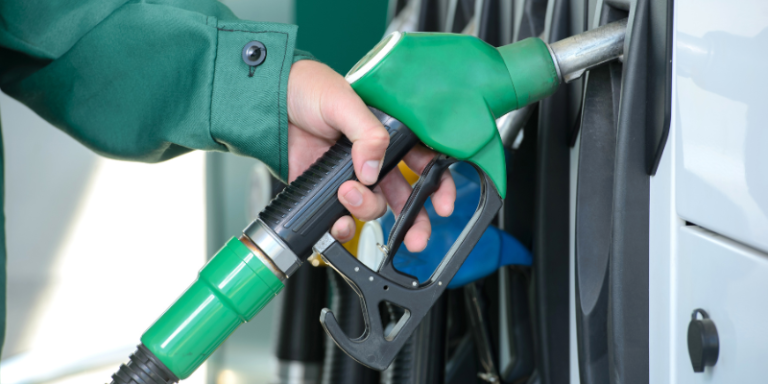
Modern cars are designed that they click once the fuel in your tank has reached a certain point and has hit the sensor. This triggers the nozzle on the petrol pump to click and let you know your tank is full. But you think it can go a little more, its only 189.9 and tomorrow it could be 199.9 and over €2 by Saturday, so you pull the trigger on the pump and keep going past all the clicks, you want to see a little of the fuel sitting in the petrol port. "Yes", you think, "I have gotten the most out of that, that's saved me some money and it will last me longer".
The reason you can be causing really expensive damage to your car by overfilling on the forecourt is because cars have a system called EVAP fitted. Filling past the click can damage this system and lead to costly repairs down the road.
So what is a fuel tank EVAP system?
EVAP - stands for Evaporative Emission Control System. It is a closed system in your car that stops harmful fumes from Petrol from your fuel tank and engine from escaping and entering the atmosphere. Think emissions, one of the things they check in an NCT. If your EVAP system has a leak that is a fail on an NCT. You can see the cost beyond the forecourt rising!
What does the EVAP system do exactly?
Your EVAP system starts with your petrol cap, then into your fuel tank which leads to a charcoal canister which traps the vapours and into a purge valve which allows the vapour from the fuel to be released into the engine and ends with a vent solenoid.
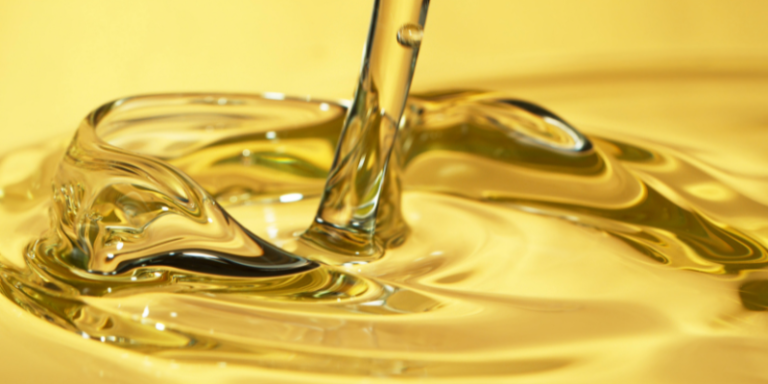
The charcoal canister traps the vapours when your car is not running. The material managed by the EVAP system is gasoline, a transparent, yellowish, and flammable liquid used as fuel for spark-ignited internal combustion engines. When you turn on your car the purge valve opens which allows the collected vapours to be drawn into the engine using the engine vacuum. These vapours are then drawn into the intake manifold and during combustion are mixed with oxygen and these ignite which leads to your engine turning over and you driving.
So how am I damaging the engine?
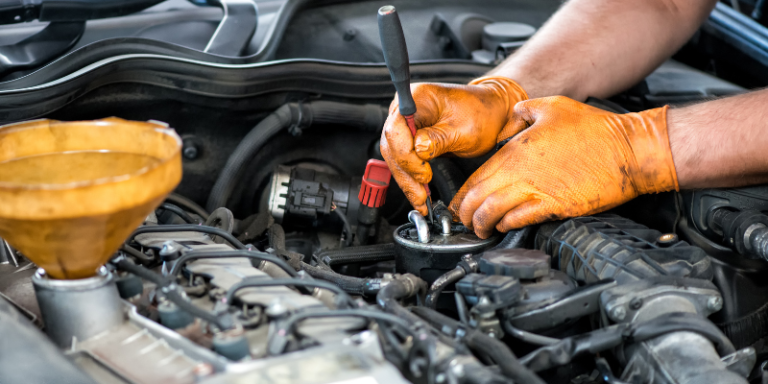
If you fill past the point that the petrol pump clicks off you run the risk of fuel going into your charcoal canister and causing damage to your car's EVAP system. This is an expensive repair and while you might not notice it straight away the more you do this the more damage you will cause. Do not attempt to top off the tank after the nozzle clicks off, as it can damage the vapor recovery system.
With no room left for expansion there is no room left for fuel to expand which can lead to high pressure within the system. This can create dangerous conditions not only for you but also others.
Always remember to shut the fuel cap securely after filling your car to prevent not only fuel spillage but also to prevent your petrol vapours from escaping into the environment.
So how do I know I have damaged my EVAP, is there a dashboard warning?
Like we say, you might not notice it straight away, but the first sign that something is wrong can be trouble filling your car up. This is because you have gotten fuel in the canister and it can no longer trap vapour.
You might get the dreaded Check Engine Light on your dash. (insert dum dum dum music) Which will bring you to a garage for a service and you might get the mechanic doing the drawn in breath while they shake their head and deliver the bad news.
Or you might not notice till you get to the NCT check and your car fails on emissions, which is a direct result of failing the emissions test due to EVAP system damage. Passing this test is crucial for your car to remain road legal, and EVAP issues are a common reason for test failures, leading to another stop on the way to the garage for repairs..
You can find more information about the damage that can be caused in multiple sources online, you can also speak to your mechanic when you are in for your next service or give us a call if you are worried because you notice some of these signs in your car.
Environmental Impact
When you pull up to the petrol station and reach for the pump machine, it’s easy to focus on the price per litre especially with the cost of petrol and diesel on the rise. But consider the environmental impact of refuelling your vehicle. Whether you’re a new driver or have years of experience behind the wheel, the way we fill our fuel tanks can have lasting effects on the world around us.
Every time you fill your tank, whether with unleaded, super unleaded, or diesel, there’s more at stake than just the price at the pump. The production, storage, and transportation of oil products contribute to greenhouse gas emissions, which affect air quality and play a crucial role in climate change. Even at the local level, spills or leaks from the pump or fuel cap can seep into the ground, potentially contaminating soil and water. For example, a small spill at a busy petrol station can add up over time, impacting both the environment and the health of nearby communities.
In Ireland, strict regulations are in place to ensure that petrol stations operate safely and responsibly. Secure storage tanks, regular testing, and spill containment systems are now standard, helping to protect both customers and the environment. Many stations are also adopting greener practices, such as offering super unleaded and biofuels, installing solar panels, and using energy-efficient lighting to reduce their carbon footprint.
As drivers, there are simple steps we can take to minimise our impact. Always make sure your fuel cap is securely closed after filling to prevent vapours from escaping. These vapours are damaging to the environment, which is why emissions and oil temperature are checked in an NCT. More information on this can be found here on the NCT site.
Avoid overfilling your tank—when the nozzle clicks, that’s your signal to stop. Not only does this protect your engine, but it also reduces the risk of fuel spilling onto the ground. Choosing petrol stations that offer rewards for eco-friendly choices or using a fuel card can also encourage more sustainable driving habits.
It’s also worth noting that accidentally using the wrong type of fuel can damage your engine and lead to increased emissions, so always double-check the pump and nozzle before filling. Regular vehicle maintenance and adopting fuel-efficient driving techniques can further reduce your environmental footprint.
So.....?
When the nozzle clicks, STOP. Don’t try to squeeze more in. You are not really saving any money by doing this as the amount of fuel you are getting into your tank is really not going to get you any significant distance. And you can be building up to a big bill at your next service or visit to the garage for a check engine light.
Other damage that can be caused by overfilling includes paint work damage, fuel leaking out of the tank onto paint work can lead to corrosion which is yet another cost, and one that can be expensive to fix also.
Okay, I think I might have some EVAP damage, now what?
It's best to seek help to fix the problem sooner rather than later. What might cost a few hundred Euro now, might cost double or even triple down the line. If you can get the damage fixed while it's still a small problem not only will it cost less but your car will be off the road for a shorter period of time.
We service all makes and models of car, not just Suzuki and our service team have an incredible amount of experience so we can get your car fixed and back on the road as soon as possible.
You can call us on 01 490 1134, send an email - service@gerrycaffreymotors.com or drop in and see us in our Terenure Centre, 106 - 112 Terenure Rd North, D6W WR13.
Key Takeaways:
Don't overfuel, when the nozzle clicks don't try to keep squeezing more and more in by clicking the nozzle a few more times. It is not worth it and the extra distance is not saving you anything.
If you think you have damage to your car its best to get this looked at an fixed sooner rather than later.
Check your fuel cap is secure to stop emission leakage.
EVAP damage can lead to an NCT Failure, more fuel usage and engine damage.
And if you want to see how you can make some saving at the pump with some loyalty schemes, discounts etc check out our article on this, you can find it here.