Driving Mistakes: Costly Errors Irish Drivers Make
(And How To Avoid Them)
Picture this: it’s a grey Tuesday morning on the Rathfarnham Road. Traffic is crawling, you’re running five minutes late, and your phone buzzes with a WhatsApp notification. You glance down for half a second, look up, and the car ahead has stopped dead. Your foot finds the brakes just in time, but your heart is somewhere near your steering wheel. That “small mistake” nearly cost you a crumpled bonnet, a claim on your insurance, possibly something worse and a morning you’d rather forget.
The truth is, most of us make driving mistakes more often than we’d like to admit. Some are harmless. Others carry penalty points, fixed charge notices, and insurance premium hikes that sting for years and some can have some really serious outcomes that change lives forever. This article walks through the most common and expensive errors Irish motorists make in 2024, drawing on guidance from the RSA, AA Ireland, and current Road Traffic Acts. It’s written from the perspective of a Dublin Suzuki dealership—Gerry Caffrey Motors in Terenure—where the service team sees the real-world results of these slip-ups every week.
Whether you’re a learner driver preparing for your test or a seasoned commuter who hasn’t thought about the two-second rule since 2015, there’s something here for you. The tone is light, the advice is practical, and the goal is simple: help you stay safe, keep your licence clean, and avoid handing over cash you didn’t need to spend.
. Speeding: The Fastest Way to Rack Up Penalty Points
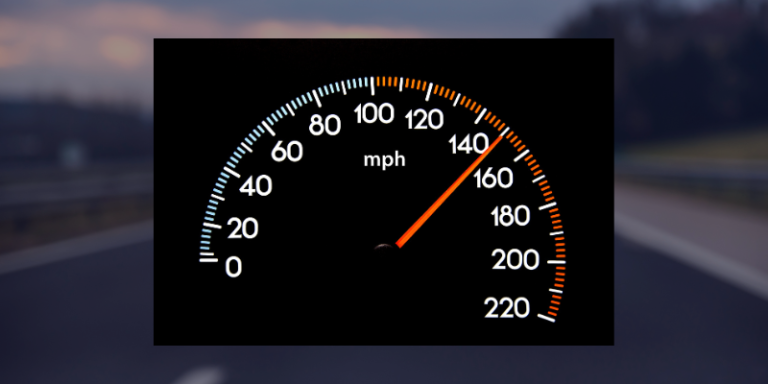
Let’s say you’re heading out the N81 towards Blessington on a Sunday afternoon. The road opens up, the weather is fine, and before you know it the needle is sitting at 70 km/h in a village where the limit drops to 50. A Garda checkpoint appears around the bend. That moment of inattention has just earned you a fixed charge notice and three penalty points.
Ireland’s speed limits are straightforward on paper: 50 km/h in built-up areas, 80 km/h on regional roads, 100 km/h on national roads, and 120 km/h on motorways. In practice, limits change constantly as you pass through towns, approach schools, or enter roadworks. It’s easy to drift over without noticing, especially on long stretches where the posted limit feels conservative.
The penalties add up quickly. On payment of a fixed charge, speeding typically attracts three penalty points. If you contest the notice and lose in court, that rises to four or five points depending on the offence. Accumulate twelve points within three years and you face a six-month disqualification. For professional drivers and learner permit holders, the threshold is even lower at seven points.
Beyond the paperwork, speed affects physics. At higher velocities, your braking distance grows dramatically, and wet tarmac makes things worse. A collision at 70 km/h is far more likely to cause serious injury than one at 50. The RSA estimates that inappropriate speed is a factor in a significant proportion of fatal crashes on Irish roads each year.
Avoiding this mistake is simpler than it sounds. Use cruise control on motorways if your car has it fitted. Watch for the speed limit signs as you leave or enter towns, because limits often change at the boundary. Check your speedometer regularly, particularly after overtaking or joining a faster road. And if you see a Garda checkpoint or speed camera zone, treat it as a reminder to check your position on the speedometer rather than a reason to slam on the brakes.
2. Mobile Phones and Distraction: Texts That Cost More Than a New Tyre
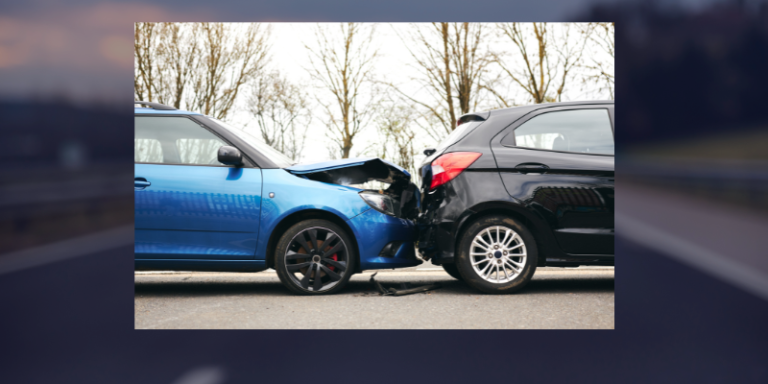
It’s stop-go traffic on the M50. You’ve been staring at the same brake lights for ten minutes. Your phone lights up with a message, and you think, “I’ll just glance at it.” That glance lasts two seconds—long enough for the car ahead to roll forward and stop again. You lift your head, hit the brakes too late, and feel the sickening crunch of bumper meeting bumper.
Irish law is clear: holding or using a handheld phone while driving is an offence. Texting, browsing, and scrolling through apps are all specifically targeted. Since 2017, enforcement has tightened, and RSA research links driver distraction to around ten percent of fatal crashes. The risk isn’t theoretical. Studies from the US Federal Motor Carrier Safety Administration found that texting multiplies crash risk by a factor of twenty-three.
The penalties reflect the seriousness. A fixed charge notice for mobile phone use while driving carries a fine and five penalty points on payment. If you contest and lose, points increase. For a learner or newly qualified driver, five points is a significant chunk of the seven-point disqualification threshold.
Even hands-free setups aren’t risk-free. While legal, taking a call through your car’s speakers still splits your attention. For nervous drivers or those on a learner permit, the mental load of a conversation can be enough to miss a hazard.
The simplest solution is to remove temptation. Put your phone in the glovebox before you turn the key. Enable “do not disturb while driving” mode, which is built into most smartphones. If you use Apple CarPlay or Android Auto for navigation, set your destination before you move off. And if a call genuinely can’t wait, find a safe place to pull in, stop the engine, and respond. No message is worth a collision or a conviction.


3. Tailgating and Poor Observation: Not Looking Far Enough Ahead
The two-second rule sounds like something from a driving test manual, but it exists for good reason. On a dry day on the N7, pick a fixed point like a road sign or bridge. When the car ahead passes it, count “one thousand and one, one thousand and two.” Or, follow the 2 second rule campaign that has been running since the 1970's - Only a Fool breaks the 2 Second Rule (RSA - Driving Test)If you reach that point before you finish counting, you’re too close. In rain, double the gap to four seconds. (RSA - Rules of the Road)
Tailgating is one of the most visible mistakes on Irish motorways and dual carriageways. Rear-end collisions account for roughly thirty percent of all crashes, and the majority are preventable. Even at low speed, a shunt can cause whiplash injuries, bumper damage, and an at-fault claim that follows you for years. Every driver’s insurance premium is connected to the overall claims pool, so tailgating doesn’t just hurt the people involved—it pushes up costs for everyone.
Poor mirror use is a related issue. Failing to check mirrors before changing lanes or turning right is one of the top reasons candidates fail the Irish driving test. The RSA recommends a mirror-signal-manoeuvre sequence: interior mirror first, then door mirror, then a quick blind-spot check over your shoulder before moving off or switching lanes. It takes less than a second but can prevent a collision with a cyclist, motorcyclist, or car you simply didn’t see.
From a garage perspective, many “mystery” repairs—cracked bumpers, dented tailgates, scraped quarter panels—turn out to be low-speed tailgating shunts in car parks or slow traffic. Drivers often don’t report them to insurers, but the damage still costs money to fix and affects resale value down the line.
Building better habits is straightforward. Pick a roadside marker and practise the two-second rule on your next motorway journey. In heavy rain on the M50, extend that gap further. Run a quick mirror scan every five to ten seconds, even when you’re not planning to move. These small checks become automatic with repetition and dramatically reduce your risk of being caught out.
. Junctions, Roundabouts and Right Turns: Misreading the Road
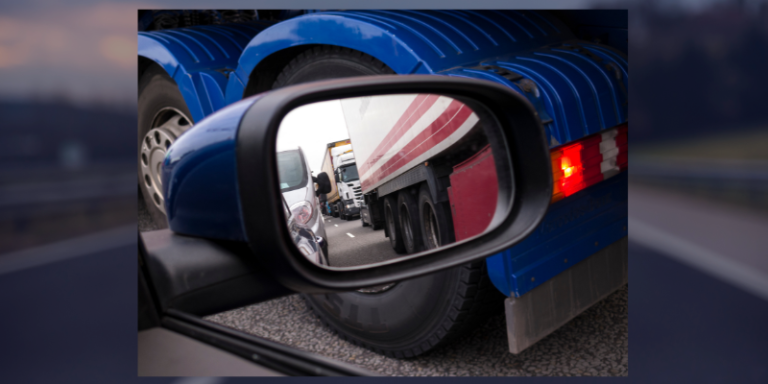
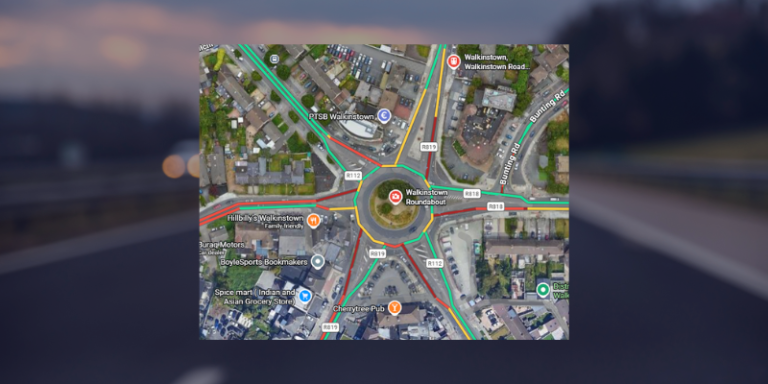
Roundabouts like Walkinstown or Liffey Valley can feel like a game of chance during rush hour. Gaps appear and vanish, lanes merge unexpectedly, and signalling seems optional for half the drivers around you. Turning right across oncoming traffic on a busy suburban road near Terenure is equally challenging, with delivery vans, cyclists, and pedestrians all competing for space.
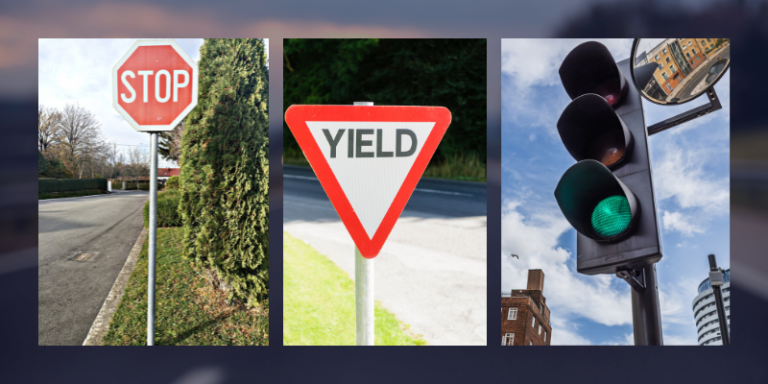
Common mistakes at junctions include rolling through STOP signs, failing to yield properly, cutting across lanes on multi-lane roundabouts, and signalling too late—or not at all. Failure to stop at a STOP sign or red light is a specific offence carrying penalty points and a fine. RSA data suggests that collisions at junctions make up a significant portion of urban crashes, many of which could be avoided with better observation.
Correct behaviour isn’t complicated, but it requires patience. At a STOP line, come to a complete halt, even if the road looks clear. At obscured junctions, use the “creep and peep” approach: edge forward slowly until you can see, rather than lurching out and hoping for the best. On roundabouts, choose your lane early, maintain lane discipline all the way around, and signal your exit as you pass the preceding one.
Irish roads often combine faded markings, complex layouts, bus lanes, and cycle tracks in ways that can be challenging even for experienced drivers. The solution is simply to slow down, give yourself time to identify the correct sequence, and avoid making decisions at the last moment. A few seconds of caution at a junction beats a collision report and an insurance excess payment.
5. Tyres, Brakes and Lights: The Hidden “Unroadworthy Vehicle” Mistake
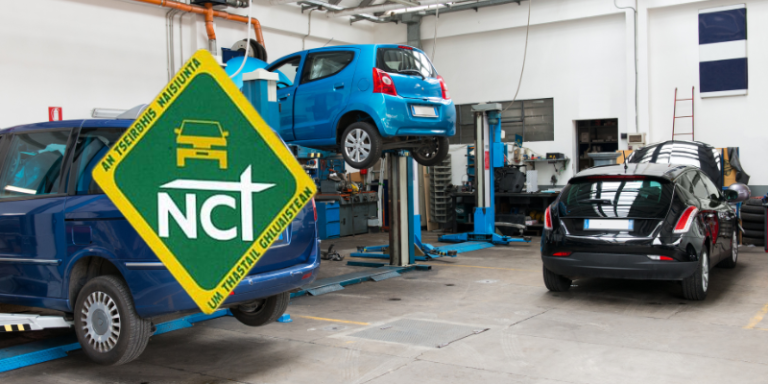
NCT statistics reveal that a substantial number of vehicles fail their test on tyres, brakes, or lighting defects each year. These aren’t exotic faults—they’re the everyday items that wear down gradually and are easy to ignore until something goes wrong.
Under Irish law, it’s an offence to drive an unroadworthy vehicle. Bald tyres, defective brake lights, or worn pads can attract a fixed charge notice and penalty points. In serious cases, Gardaí can issue a dangerous-defect notice that keeps your car off the road until repairs are made.
Tyre mistakes are particularly common. The legal minimum tread depth is 1.6 mm, but performance drops significantly before you reach that point. Driving on incorrect pressures increases wear, affects handling, and can cause a slow puncture to develop into a blowout. Mixing vastly different tyre brands across an axle is also problematic, because the tyres may respond differently under braking.
Simple at-home checks can catch most issues before they become expensive. The €1 coin test works well for tread: insert the coin into the groove, and if the gold rim is visible, the tyre is approaching replacement territory. Inspect sidewalls for cracks or bulges. Walk around the car with the ignition on and check that all brake lights, indicators, and headlights are working. Listen for grinding or pulsing when you apply the brakes, which can indicate worn pads or warped discs.
Insurance adds another layer of cost. If you’re involved in an at-fault collision and the vehicle is found to be in poor condition, insurers may refuse part of a claim or hike your premium sharply at renewal. Keeping on top of maintenance is a financial decision as much as a safety one.
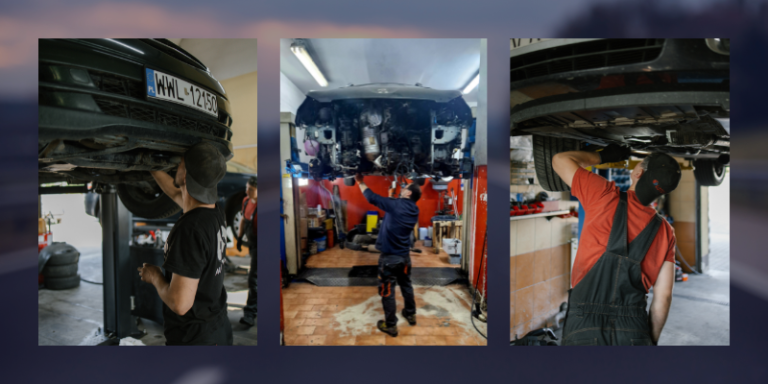
A main dealer or trusted independent garage can carry out a full safety check before your NCT or after a long winter. At Gerry Caffrey Motors, for example, Suzuki servicing includes inspection of tyres, brakes, and lights as standard, helping customers maintain their vehicles and avoid last-minute NCT surprises.

6. Drink, Drugs and Fatigue: When You Shouldn’t Be Behind the Wheel
Ireland’s drink-driving limits are among the strictest in Europe. For most drivers, the limit is 50 mg of alcohol per 100 ml of blood. For learner permit holders and professional drivers, it drops to 20 mg—effectively zero tolerance. Even a single pint can push some people over the threshold, depending on weight, metabolism, and what they’ve eaten.
Penalties for drink-driving are severe. A first offence typically results in a fine and disqualification from driving for a period of months or years. A conviction appears on your record and almost always triggers steep insurance premium increases or outright refusals to cover you. AA Ireland reports that drivers with drink-driving convictions can face premium hikes of fifty percent or more, and some insurers simply won’t offer cover.
Drug driving laws have also tightened. Roadside testing can detect cannabis, cocaine, and other substances, and certain prescription medicines can impair driving enough to put you over the limit. If you’re taking medication that causes drowsiness, read the label and ask your pharmacist whether it’s safe to drive.
Fatigue is the quieter danger. Driving tired after a late-night journey from Galway to Dublin can impair reactions and judgement as much as being over the drink limit. RSA campaigns warn that falling asleep at the wheel, even for a second, is enough to run off the road or drift into oncoming traffic. In response to the rise in RTA involving fatigued drivers, the RSA launched the Stop. Sip. Sleep campaign. You can find more info here.
Avoiding these mistakes comes down to planning. If you’re heading out for a night in town, arrange a lift, book a taxi, or use public transport. On long journeys, swap drivers if possible, and stop every two hours for a break, some fresh air, and a coffee. Recognise when you’re too tired to continue and find a safe place to rest. No destination is worth arriving at injured—or not arriving at all.

7. Paperwork Pitfalls: Licences, Insurance and NCT
Some of the most expensive driving mistakes happen before you even turn the key. An out-of-date NCT, an untaxed car, or incorrect insurance details can land you with fixed charges, penalty points, and in some cases a vehicle seizure.
Irish requirements are clear. You need a valid driving licence appropriate to the vehicle you’re driving. You must have motor insurance in place, with the policy details matching your circumstances. Motor tax must be paid, and for cars over four years old, a valid NCT certificate is required.
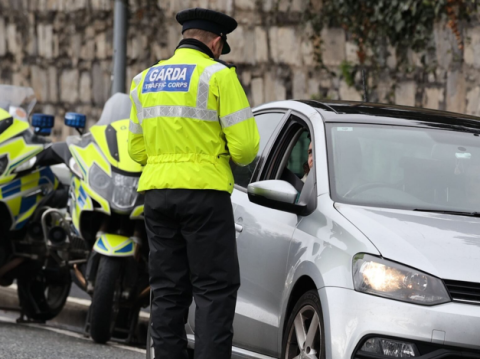
The penalties for getting this wrong are significant. Driving without insurance is one of the most serious road traffic offences, carrying a fine, penalty points, and potential disqualification. An expired NCT disc displayed on your windscreen can attract a fixed charge. And if Gardaí stop you without valid tax or insurance, they have the power to seize the vehicle on the spot.
There’s also an indirect cost. If you fail to declare penalty points to your insurer, or if you’ve made modifications to your car without informing them, your policy may be invalid. That means any claim could be refused, leaving you personally liable for repair bills, medical costs, and legal fees.
Simple routines help. Set phone reminders a month before your NCT and tax renewal dates. Check that your address and licence details are correct on all documents. Read the small print of your insurance policy to understand what’s covered and what you need to declare.
When buying a used vehicle, confirm NCT status, mileage history, and that the car hasn’t been written off or clocked. Reputable dealers and Suzuki franchises will supply this information as standard, helping you discover any issues before you commit.
8. Weather, Rural Roads and Misjudging Conditions
February in Wicklow. Heavy rain has been falling for hours, and a rural L-road is slick with standing water. You round a bend at the posted limit, feel the tyres lose grip, and suddenly the car is aquaplaning towards a ditch. Conditions like this catch drivers out every winter.
Irish roads present a diverse range of hazards depending on location and season. Standing water can lift your tyres off the tarmac entirely. Fog on mountain routes reduces visibility to a few metres. Ice on untreated back roads turns gentle corners into skating rinks. Loose gravel on country lanes affects braking and steering. Given that we have been through one of the wettest starts to a year in close to a century and we have had many parts of the country seeing flooded roads it is important to remember, do not drive through water you can not assess, depth or hazards hidden. Do not drive through more then 10cm of standing water. Do not brake driving through floods. Obey all traffic advice from both the RSA and An Garda Siochana.
Rural hazards go beyond weather. Tractors pulling trailers, cyclists without lights, walkers in dark clothing, narrow bridges, and blind bends all demand extra attention. Speed limits on these roads assume ideal conditions, not a November evening with mist and leaf litter.
Guidance is straightforward. Slow down well below the posted limit when conditions deteriorate. Use dipped headlights in rain and fog so you remain visible to others. Avoid harsh braking on ice—gentle inputs to the steering wheel and brakes give you more control. Leave extra space on unlit roads where you can’t see what’s around the next corner.
Insurers often record a spike in single-vehicle claims after the first frosts or heavy storms, particularly among less experienced drivers. If you regularly travel long distances around the country, consider an advanced driving course. Practising gentle steering and braking techniques in a controlled environment builds confidence and reduces risk when conditions turn challenging.
9. New Drivers and Test Candidates: Avoiding “Learner” Mistakes
The first twelve to twenty-four months after passing your test are statistically the highest-risk period for collisions. Learner and newly qualified drivers in Ireland face both formal rules and practical challenges that more experienced motorists have long forgotten.
Common test errors highlighted by the RSA include poor mirror checks, inadequate observation at junctions, incorrect lane position, late signalling, and inconsistent steering control. These aren’t just exam technicalities—they’re the habits that, if neglected, lead to real-world incidents.
The goal shouldn’t be to pass the test and then relax. Building safe habits means planning routes in advance, avoiding distractions, and staying within your comfort zone while you develop confidence. If motorways feel intimidating, practise with an experienced driver beside you before venturing out alone. If reverse parking is your weak point, find an empty car park and drill the manoeuvre until it feels natural.
Irish graduated-style obligations add structure. Learner permit holders must display L plates and drive accompanied by a qualified driver. After passing the test, N plates are required for two years, and lower penalty point thresholds apply. These rules exist because newer drivers are still learning to recognise hazards and respond appropriately.
Realistic training ideas include extra motorway tuition once fully licensed, night-driving practice in low-traffic areas, and professional lessons for manoeuvres you find difficult. Everyone makes mistakes, but awareness and practice turn errors into learning experiences rather than claims.
10. How Driving Mistakes Hit Your Wallet: Insurance, Repairs and Resale Value
A minor at-fault crash in Dublin in late 2024—say, a rear-end shunt at traffic lights—might seem like nothing more than an inconvenience. But when your insurance renewal arrives, that small incident can add several hundred euro to your annual premium.
Insurers in Ireland use a range of factors when pricing policies. Claims history is the biggest, but penalty points and the type of offence matter too. A speeding conviction might raise your premium by thirty percent. A drink-driving conviction can double it or result in refusal to cover you at all. Points stay on your licence for three years, and insurers can access this information through the Garda database.
Beyond premiums, mistakes carry other costs. Excess payments on claims range from a few hundred euro to over a thousand for younger drivers. A car that has had bodywork repairs loses value compared to one with a clean history, affecting trade-in offers and private sales. And some damage—like sensor calibration after a bumper replacement or alloy wheel refurbishment after hitting a kerb—isn’t covered at all.
From a garage perspective, common repairs connected to driving errors include alloy wheel damage from misjudging kerbs during parking, suspension issues from hitting potholes at speed, and sensor faults from low-speed shunts. These repairs pump money out of your pocket that could have stayed there with a little more care.
Careful driving, a clean licence, and regular servicing all contribute to lower running costs over time. It’s not glamorous advice, but it’s effective. The driver who checks their tyres monthly, keeps a safe following distance, and never touches their phone while moving will pay less for insurance, spend less on repairs, and get a better price when they sell or trade in their car.
Conclusion: Small Changes, Big Difference on Irish Roads
Most serious collisions and costly claims in Ireland come from a familiar handful of mistakes: speed, distraction, poor observation, unroadworthy vehicles, and bad decisions around drink, drugs, and fatigue. None of these are complicated to avoid. They simply require attention and consistency.
No driver is perfect. Everyone has moments of inattention, days when they’re tired, or times when they push a little too close to the car ahead. The difference between a near miss and a crash often comes down to habits built over weeks and months—not split-second reactions.
This week, take a few minutes to check your own driving. Test your tyre tread with a coin. Put your phone in the glovebox before you start the engine. Practise the two-second rule on your next motorway journey. Search your memory for the last time you properly checked your mirrors before changing lanes.
If you’re in South Dublin and considering a newer or safer vehicle—or if you simply want to keep your current car in top condition—a conversation with a trusted Suzuki dealership can help you find the right fit for your needs and budget.
Safe driving isn’t about being cautious to the point of frustration. It’s about making small, smart decisions that add up over time. Every good habit you build makes Irish roads a little safer and more relaxed for everyone—including you.