Driving in Heavy Rain: Safety Tips for Irish Weather Conditions
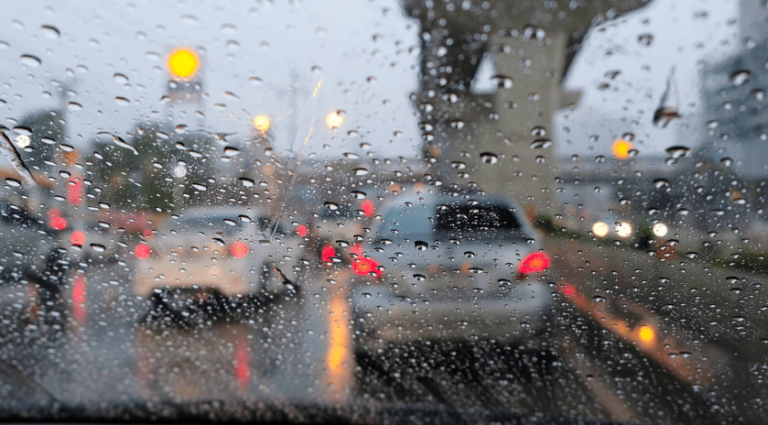
If you’ve driven on Irish roads for any length of time, you’ll know one thing for certain — rain is never far away. From sudden showers in Dublin to heavy downpours on rural roads, wet weather driving is simply part of life here.
That’s why understanding how to drive safely in heavy rain in Ireland isn’t just helpful — it’s essential. Reduced visibility, slippery roads, and standing water can quickly turn a normal journey into a risky one.
In our experience at Gerry Caffrey Motors, many drivers underestimate just how much rain affects vehicle control. Here are some practical advice and essential tips to keep you safe when Irish weather does what it does best.
Why Driving in Heavy Rain Is Riskier in Ireland
Ireland’s weather patterns often bring sudden and intense rainfall, especially during autumn and winter. Combined with narrow roads, roundabouts, and heavy commuter traffic around Dublin, conditions can change quickly.
Common risks include:
- Flooded rural roads and severe flooding in low-lying areas, increasing flood risk
- Aquaplaning on motorways and dual carriageways caused by standing water and bow waves
- Longer braking distances on wet roads due to reduced tyre tread depth and surface flooding
- Reduced visibility from heavy rain, obscured views due to spray from oncoming traffic, and poor visibility caused by fog and fog lights misuse
1. Slow Down and Increase Your Following Distance
One of the simplest yet most effective wet-weather driving tips is reducing your speed.
Even modern cars with advanced traction control can struggle when roads are soaked or saturated ground affects grip.
A good rule of thumb:
- Accelerate gently and use low gear when driving through shallow water or flooded sections
- Avoid sudden movements such as harsh braking or sharp turns
- Double your normal following distance to maintain extra space from the vehicle ahead and other vehicles, aiming for at least four seconds of following distance on wet roads
On Irish roads, where roundabouts and bends are common, a slower speed gives you more reaction time and helps prevent wheel spin.
2. Turn On Your Lights — Even During the Day
Heavy rain can significantly reduce visibility, especially on busy commuter routes around Dublin.
Switch on dipped headlights so other drivers can see you clearly. Avoid using full beams as they reflect off rain and reduce visibility further.
Use fog lights only when visibility is seriously impaired and remember to turn them off once conditions improve to avoid dazzling other road users.
This is particularly important on:
- Early morning or evening commutes
- Rural roads with limited lighting
- The M50
3. Watch Out for Aquaplaning
Aquaplaning happens when a layer of water builds up between your tyres and the road, causing your tyres to lose contact with the surface.
It’s more common than many drivers realise — especially on motorways or poorly drained roads with surface flooding.
If your car starts to aquaplane:
- Do not use cruise control, as it can cause loss of vehicle control in wet conditions
- Keep the steering wheel steady and avoid harsh braking or sudden movements
- Ease off the accelerator
Vehicles with good traction systems, such as the Suzuki Vitara or Suzuki S-Cross, can help maintain stability thanks to advanced safety technology.
4. Check Your Tyres Regularly
Tyres play a massive role in wet weather safety.
Irish regulations require a minimum tyre tread depth of 1.6mm (the legal minimum), but in heavy rain, more tread provides better grip and reduces the risk of aquaplaning.
Before the wetter months arrive, check:
- Overall tyre condition for cuts or damage
- Tyre tread depth and pressure regularly, especially before long journeys
Proper tyres significantly reduce the risk of losing control on wet roads.
5. Make Sure Your Wipers and Windscreen Are Clear
You’d be surprised how often worn wiper blades reduce visibility.
In heavy Irish rain, clear vision is critical.
Replace your wipers if they:
- Struggle during heavy rainfall
- Squeak across the windscreen
- Leave streaks
Keep your windscreen washer fluid topped up to improve visibility and clear dirt or debris.
6. Avoid Flooded Roads and Assess Water Depth Carefully
Flooding is increasingly common on Irish roads, particularly in rural areas and low-lying streets.
If you encounter standing or flood water:
- Avoid driving through flowing water or areas with floating debris and fallen trees
- Assess water depth by observing the road surface, flood risk signs, water levels on other vehicles, or the road ahead
- Turn around and find an alternative route to avoid serious damage to your engine, air intake, braking systems, and electrics
- Never drive through if you can’t see the road beneath or if water depth is above the bottom of your car doors
Guidance from Road Safety Authority and local authorities strongly recommends avoiding flooded roads where possible.
7. How to Safely Cross Shallow Water
If you must cross shallow water where the road surface is visible and water is still:
- After crossing, lightly apply the brake pedal several times to dry brakes and restore full braking power
- Keep a safe distance from the vehicle ahead and avoid stopping mid-way
- Drive slowly and steadily to avoid creating a bow wave that can push water into vulnerable vehicle parts
- Use low gear with higher engine revs to prevent water entering the exhaust or air intake
8. Never Restart Your Engine if It Stalls in Floodwater
If your car stalls in floodwater, do not attempt to restart the engine.
Restarting can cause hydrolock, which destroys the engine and leads to serious, costly damage.
9. Prepare Your Car for Irish Weather
Before the rainy season sets in, it’s worth giving your car a quick safety check:
- Battery health and air intake filters
- Lights and door locks
- Windscreen wipers and washer fluid
- Brake condition and brake pedal responsiveness
- Tyres and tread depth
If your current car struggles in poor weather, upgrading to a newer model with modern safety features can make a noticeable difference.
10. Plan Ahead Using the Weather Forecast and Local Updates
Check the weather forecast and local news before you set out to anticipate adverse weather conditions.
Allow extra time for your journey and plan an alternative route to avoid flooded areas or severe flooding.
Stay alert for emergency services and local authorities’ warnings about flooded roads, fallen trees, or surface flooding.
11. Understand Your Car Insurance Coverage
Driving in heavy rain increases the risk of accidents and damage.
Ensure your car insurance policy covers adverse weather conditions and flood damage.
Insurance policies typically cover accidents in heavy rain provided you took reasonable precautions and were driving safely.
Insurers may decline claims if reckless driving, such as exceeding safe speeds, is involved.
In case of an incident, report it promptly and follow your insurer’s advice.
Professional vehicle assessment is usually required after flood damage for claims to be processed.
12. Additional Tips for Driving Safely in Heavy Rain
- Always stay focused on the intended route, but be prepared to take an alternative route if flooding or severe weather makes your original path unsafe.
- Follow advice from local authorities and the Road Safety Authority to stay safe.
- Keep your hands firmly on the steering wheel to counteract strong winds often accompanying heavy rain.
- Avoid using cruise control to maintain full control over your vehicle.
- Use extra caution on bends, roundabouts, and narrow roads common in Ireland.
- Give extra distance to larger vehicles as their spray can obscure your view.
- Always check your brake lights to ensure other drivers can see your intentions clearly.
- Maintain adequate tread depth and tyre pressure for optimal grip.
- Be aware that the first few minutes of rainfall can be the most hazardous due to oils on the road mixing with water.
13. Know When to Stop Driving and Seek Help
If conditions worsen or you feel unsafe:
- Do not attempt to push your vehicle through deep water or move it yourself in unsafe conditions.
- If your vehicle becomes stuck or stalls in floodwater, prioritize your safety and call emergency services immediately.
- Avoid stopping in flooded areas or on the road where other vehicles may not see you.
- Pull over safely, turn on your hazard lights, and wait for conditions to improve.
14. Maintain Your Vehicle’s Braking Systems
Wet weather can affect braking performance. Regularly check your braking systems for wear and responsiveness.
After driving through water, gently tapping the brake pedal helps dry the brakes and maintain effective stopping power.
15. Be Mindful of Larger Vehicles and Spray
Larger vehicles like trucks and buses can create significant spray, reducing your visibility.
Maintain extra distance behind these vehicles to avoid being blinded by spray and to maintain safe vehicle control.
16. Use Your Windshield Wipers Effectively
Proper use of windshield wipers is essential during heavy rain.
Adjust wiper speed according to rainfall intensity to maintain the best possible visibility without causing streaks or smears.
17. Stay Informed About Penalty Points and Road Safety Regulations
Driving in heavy rain requires adherence to all road safety regulations.
Be aware that reckless driving or careless behaviour, such as speeding or driving without due care in wet conditions, can result in penalty points on your licence.
The Road Safety Authority enforces these rules strictly to ensure safety for all road users.
Final Thoughts
Driving in heavy rain in Ireland demands respect for the conditions and your vehicle.
By following this advice and preparing your car properly, you can reduce risks and stay safe on the road.
At Gerry Caffrey Motors, we’re here to support you with vehicles equipped to handle Ireland’s wet weather — from the reliable Suzuki Swift to the advanced Vitara and S-Cross models.
Stay safe, drive wisely, and remember that sometimes the best route is the one that avoids the worst weather altogether.