Does Air Conditioning Use More Fuel?
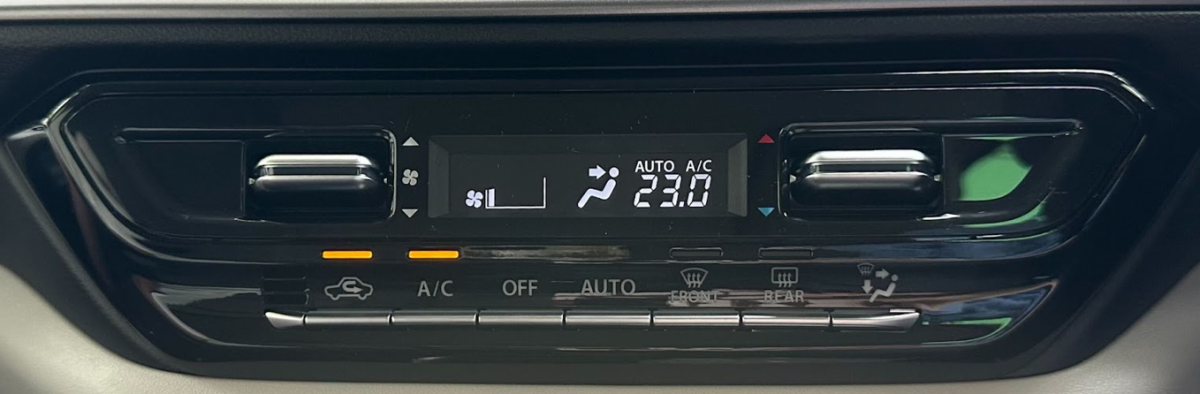
It’s one of the most common questions we hear from drivers around Dublin: does air conditioning use more fuel?
Short answer — yes, it does. But the real story is a bit more nuanced, especially on Irish roads where weather, traffic, and driving style all play a role.
Let’s break it down properly.
How Air Conditioning Affects Fuel Consumption
Air conditioning systems draw power from your engine through components like the compressor and expansion valve. This extra load means the engine has to work harder — and when it works harder, it burns more fuel.
Running the air conditioning can consume approximately 0.2 to 1.0 litre of fuel per 100 km, depending on your driving conditions and vehicle size. The fuel efficiency impact tends to be higher in smaller vehicles with smaller engine sizes.
In most modern cars, including newer Suzuki models like the Suzuki Vitara and Suzuki S-Cross, the increase is relatively modest.
Typically, you’re looking at:
- Slightly higher in stop-start city driving (like Dublin traffic), where using air conditioning while idling can increase fuel use by up to 90% compared to idling without it
- 5–10% more fuel use in normal conditions
In our experience, drivers in South Dublin notice it most during short urban trips rather than longer motorway runs, as the increased fuel consumption caused by using air conditioning may be more noticeable on short journeys.
Does AC Use More Fuel Than Opening Windows?
This is where it gets interesting.
At lower speeds (around town, school runs, local errands), opening windows is usually more fuel-efficient than using AC. This is because running the air conditioning puts an extra demand on the engine, especially at low engine speed.
But at higher speeds (like on the M50 or N7), open windows create aerodynamic drag, increasing resistance and causing the engine to work harder. This drag effect can actually increase fuel consumption more than the AC would, sometimes by up to 20%.
So:
- Motorway driving → air conditioning use fuel more efficiently than open windows
- City driving → opening your windows often wins
The magic number here is around 45 mph. Above this speed, using the vehicle's air conditioning system is generally more economical than driving with the windows down.
We often see drivers surprised by this — especially those doing regular commutes across Dublin.
Irish Weather: Do You Even Need AC That Much?
Let’s be honest — we’re not exactly driving through the south of Spain.
That said, air conditioning in Ireland isn’t just about heat. It’s also essential for:
- Keeping things comfortable during those unexpected hot days and hot weather
- Improving cabin air quality and reducing air pollution exposure during wet weather
- Demisting windows in winter
Modern air con systems are far more efficient than older ones, especially in newer cars like the Suzuki Swift.
Fuel Economy Tips for Irish Drivers
If you want to keep fuel costs down while still staying comfortable, here are a few practical tips:
1. Use AC Smartly
Don’t blast it at full power constantly. Once the cabin cools, reduce the intensity by adjusting the air vents or increasing the temperature slightly. This can reduce fuel consumption by 10–15%.
Using the recirculation mode can also reduce the compressor’s workload by up to 30%, saving extra fuel.
2. Park in the Shade
Less heat buildup means less work for your AC when you start driving, reducing fuel usage.
3. Open Windows When Starting
Opening your windows for a few minutes when you first set off helps remove the hot air inside the cabin, so your AC system doesn’t have to work as hard.
4. Keep Your System Serviced
A poorly maintained system works harder and uses more fuel. Regular servicing, including regassing your vehicle's air conditioning system every two years, keeps it running efficiently and reduces fuel consumption.
5. Combine Driving Efficiency
Smooth acceleration and steady speeds make a bigger difference than AC usage alone.
For more fuel-saving advice, the AA Ireland has excellent practical guides.
Does AC Affect Hybrid or Mild Hybrid Cars?
This is especially relevant with newer Suzuki models.
Cars like the Suzuki Vitara Hybrid or S-Cross Hybrid use mild hybrid technology, which helps offset the energy used by systems like air conditioning.
In real-world driving:
- Fuel efficiency remains strong even with regular AC use
- The impact of AC is often less noticeable
Research from Emissions Analytics shows the impact of air conditioning on fuel efficiency is greater in hybrid vehicles compared to standard petrol cars and diesel models.
You can explore how hybrid systems work via Suzuki Global.
Is It Worth Turning AC Off to Save Fuel?
For most drivers in Ireland, the savings are relatively small.
If you’re doing:
- Longer drives → comfort often outweighs minimal fuel savings
- Short trips around Dublin → you might save a bit by reducing AC use
In our experience, it’s better to focus on overall driving habits rather than worrying too much about the AC.
Thinking About a More Fuel-Efficient Upgrade?
If fuel economy is on your mind, newer Suzuki models are designed to keep running costs low — even with everyday comforts like air conditioning.