Changing Your Car: Did Your Lifestyle Change and Did Your Car Keep Up?
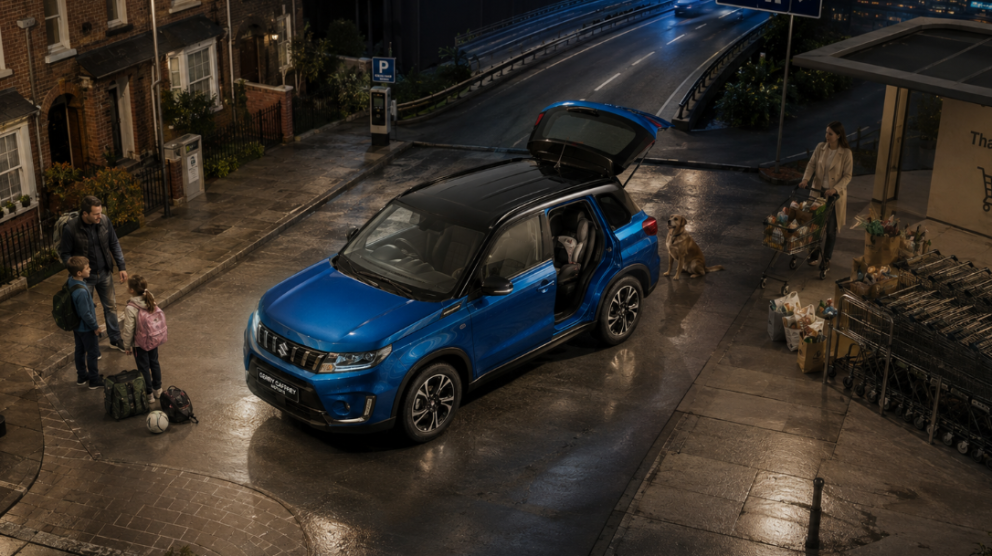
A new job. A longer commute. A growing family. More weekends away. Changing your car means looking at whether your current vehicle still suits the life you have now—or whether a different car would better match your driving, space, reliability, and running-cost needs.
Maybe the buggy only goes into the boot after a wrestling match. Perhaps your small hatchback feels less relaxing on the M50 than it did around town. Or an approaching NCT has made you question whether another round of repairs is really the best use of your money, especially when the wrong car can make daily driving less practical and more expensive than it needs to be.
If that sounds familiar, this guide is for drivers and families in Dublin and South Dublin who are thinking about upgrading, trading in, or replacing their current car with something that fits better. It looks at the signs it is time to change, the lifestyle questions to ask, how Suzuki models such as the Swift, Vitara, and S-Cross compare, whether new or used makes more sense, and what to weigh up around finance, trade-ins, test drives, and buying for the Irish market.
Signs Your Current Car No Longer Fits Your Lifestyle
A car can still run perfectly well and be the wrong car for you. The issue isn’t always age or mileage. Often, it’s a mismatch between the vehicle and your daily routine.
Your Driving Pattern Has Changed
Commuting from South Dublin into the city calls for something different from regular motorway journeys or school runs across several suburbs.
If you’re now spending more time in traffic, fuel efficiency, an easy driving position, and straightforward parking may matter more. If your weekly mileage has increased, comfort, driver-assistance features, and predictable running costs move higher up the list.
We often see drivers who bought for occasional use but are now in the car five days a week. What once felt adequate can quickly become tiring.
Space Has Become a Daily Problem
Family life has a habit of filling a car. Child seats, sports bags, shopping, scooters, and luggage can turn a simple journey into a packing exercise.
The right family cars aren’t necessarily the biggest. They’re the ones with useful boot space, easy rear access, a comfortable cabin, and the flexibility to handle both weekday routines and weekends away.
Reliability Is Taking Up Too Much Headspace
An older car doesn’t have to be unreliable, but repeated warning lights, repair bills, or NCT preparation can change the calculation.
In our experience, the real frustration isn’t just the cost. It’s the uncertainty—wondering whether the car will start on a wet Monday morning or whether another issue will appear before the next test.
Your Running Costs No Longer Make Sense
Fuel, tax, insurance, servicing, tyres, and repairs all shape the true cost of ownership. A car with no monthly repayment isn’t automatically the cheaper option if it’s inefficient or regularly needs work.
Look at what your current car has cost over the past 12 months. That figure gives you a much clearer comparison than fuel economy or a finance payment viewed on its own.
Start With Your Life, Not a Model
Good car buying advice begins with a simple question: what does the car need to do for you most days?
Think about how many people travel in the car regularly and whether most of your driving takes place in Dublin traffic, on motorways, or across mixed Irish roads.
Consider the amount of boot space you genuinely use. Think about whether you need easier access for children or older passengers, and whether an automatic would make a stop-start commute less stressful.
Your budget should cover more than the purchase price or monthly repayment. Insurance, motor tax, fuel, servicing, and routine maintenance all need to fit comfortably.
It’s also worth thinking a few years ahead. If another lifestyle change is likely, buying only for today could leave you upgrading again sooner than expected.
Which Suzuki Suits the Way You Drive Now?
Suzuki’s range covers very different types of Irish driving without making the choice unnecessarily complicated.
Suzuki Swift: A Smart Fit for Dublin Commuting
The Suzuki Swift is well suited to drivers who value a compact footprint, easy manoeuvrability, and efficiency. It makes sense for city streets, tight car parks, and busy commuter routes where a larger car can feel like extra work.
Among commuter cars, it’s a practical option for someone who mostly travels alone or as a couple but still wants modern safety, connectivity features, and effective air conditioning.
Suzuki Vitara: Flexible Enough for Work and Weekends
The Suzuki Vitara is a strong middle ground. Its SUV driving position and everyday practicality suit family duties, while its manageable size still works well around Terenure, Rathgar, Templeogue, and the wider South Dublin area.
It’s worth considering if you want more flexibility without moving into something that feels oversized on narrow roads or in multistorey car parks.
Suzuki S-Cross: More Room for a Busier Family Life
The Suzuki S-Cross comes into its own when passenger comfort, a versatile interior, and extra space are higher priorities. It suits growing families, regular longer journeys, and drivers who want one car to cover the commute, school run, and weekend travel.
If your current car is constantly full, that additional breathing room can make every journey feel easier.
New or Used: Which Route Makes More Sense?
There’s no universal winner in the new-versus-used decision. The right route depends on your budget, how long you plan to keep the car, and how much certainty you want around its history and ownership costs.
A new Suzuki gives you the latest model features, a fresh warranty (typically lasting 3 to 5 years in length), and the ability to choose the version that best matches your needs. It may also suit drivers who prefer a structured finance plan and want to keep the car for several years.
A quality second hand car can offer excellent value and may let you move into a higher specification or larger vehicle within the same budget. The key is condition, history, and preparation—not simply the registration year. Used-car warranties can often be negotiated at the time of sale.
At Gerry Caffrey Motors, used stock is selected to meet high standards rather than simply to fill spaces on the forecourt. Customers can compare new Suzuki models with a carefully chosen selection of premium used cars and other products.
When buying used, check the service history, mileage, tyres, NCT status, Vehicle Registration Certificate, and ensure the Vehicle Identification Number (VIN) is stamped and matches the documents. A reputable motor dealer should also be willing to answer questions about the car’s history and preparation.
In Ireland, consumer protections differ between private sales and dealer purchases. Buying from a dealer means you are better covered by consumer protection rights under the law, including warranties on engine and components. Dealers typically provide warranties on used cars sold, while private sellers are not obligated to offer warranties. Private sales do not provide the same consumer protections, so buying from a dealer is generally safer.
Dealers often conduct checks on imported used cars to ensure they meet Irish requirements. Many used car websites provide history checks for peace of mind, so check what is included in the report. Running a history check and verifying the current condition is crucial when buying used cars. Check the NCT history, previous accident claims, outstanding finance agreements, and whether the car was declared a write-off. Car history checks also help verify ownership history and confirm the registered owner from the documents.
Shop around and read expert reviews before shortlisting car models. Local SIMI dealers check cars before they sell them, and most used cars in Ireland are imported by dealers. Researching cars helps avoid risks in the buying process.
Should You Trade In Your Car?
For many drivers, a trade-in is the simplest bridge between the car they have and the one they need.
The value of your current vehicle can go towards the next purchase, reducing the amount you need to finance or pay in cash. It also avoids the calls, viewings, and paperwork that come with a private sale.
If you plan to trade in your car, bring its service records, spare key, NCT details, and any relevant receipts. A clean, well-presented car with a clear history is easier to assess accurately.
Be open about faults. A professional appraisal looks at the car’s age, mileage, condition, history, and market demand, so an honest conversation usually leads to a smoother process.
If there’s finance outstanding, mention it at the start. The settlement figure needs to be considered as part of the changeover cost.
Check the market value of your current car before negotiating a trade-in. Accurate pricing is essential when selling a car or determining trade-in value.
Finance the Change, Not More Car Than You Need
Finance can make an upgrade manageable, but the lowest monthly figure shouldn’t be the only number you consider.
Compare the deposit, term, interest rate, total cost of credit, and any final payment. Then allow for insurance, tax, fuel, servicing, and routine maintenance so the full monthly cost still sits comfortably within your budget.
Gerry Caffrey Motors offers finance options for both new and used vehicles. Ask the team to explain the figures in plain language and make sure you understand the full agreement before making a decision.
Your trade-in can also form part of the deposit. That can reduce the finance amount, although it’s still important to compare the total changeover cost rather than focusing only on the allowance for your old car.
Assess how much you will need to fund for replacing your current car. Setting a realistic budget includes ongoing costs like insurance and maintenance. Consider ongoing costs of ownership including tax, servicing, and fuel when budgeting. Evaluate total cost of changing cars including trade-in and purchase costs.
Remember the Irish-Market Details
Irish roads and Irish weather expose the difference between a car that looks right online and one that works in real life.
Wet roundabouts, uneven surfaces, narrow streets, speed ramps, and motorway spray all matter. So do good visibility, effective demisting, useful driver-assistance systems, and tyres suited to year-round conditions.
For a used car already registered in Ireland, confirm the NCT status and make sure the vehicle documentation matches. If you’re comparing an imported car, understand the full registration cost before treating the advertised price as a bargain.
Vehicle Registration Tax generally becomes payable when a vehicle is registered in the State. Additional rules and potential taxes can apply to imported vehicles, particularly depending on where the car was previously registered.
Revenue rules can change, so it’s important to check the current position before committing to an imported vehicle. Note that registration-cost and tax estimates can change and should be verified before purchase.
Buying from an established Irish motor dealer can remove much of that uncertainty. You’ll know what you’re comparing and have someone local to discuss with if questions arise.
Take a Test Drive That Reflects Your Real Week
A quick loop on an unfamiliar road won’t tell you enough. Use the test drive to recreate the journeys you actually make.
Try a tight turn, a rougher section of road, and a typical parking space. Check visibility at junctions, cabin noise at higher speeds, and how easily you can reach the controls.
If the car is for family use, bring the child seat or buggy. If it’s for commuting, test the driving position, phone connection, and air conditioning.
Small irritations noticed now can become daily frustrations later.
In our experience, the right car often becomes obvious when customers stop asking, “Which model is best?” and start asking, “Which one makes my week easier?”
Questions to Ask Before You Upgrade
Start by asking whether the car suits most of your normal journeys and whether it offers enough passenger and boot space for the next few years.
Compare the full cost of keeping your current car with the cost of changing it. Include repairs, servicing, fuel, insurance, motor tax, and oil changes rather than looking only at a monthly finance payment.
For a used vehicle, make sure you understand its history, NCT position, and warranty cover. If you’re using finance, review the total amount repayable and any final payment.
Have your current car professionally inspected by a trusted mechanic and valued. Check for wear, leaks, wheel arches condition, and engine performance. Test-drive the replacement on roads that resemble your normal route. These simple checks can prevent an expensive mismatch.
Frequently Asked Questions About Upgrading a Car in Ireland
When Is the Right Time to Upgrade My Car?
It may be time when your car no longer has enough space, no longer suits your mileage, needs increasingly frequent repairs, or creates avoidable stress.
The strongest reason to change is usually a clear practical need rather than age alone.
Is a Swift, Vitara or S-Cross Best for a Family?
It depends on the family.
A Swift can work well for smaller households and urban driving. A Vitara balances compact dimensions with SUV practicality, while an S-Cross offers more space for passengers and luggage.
Bring the items you carry regularly and compare the models in person.
Can I Trade In a Car That Still Has Finance Outstanding?
Often, yes.
You’ll need an up-to-date settlement figure, and the outstanding balance will form part of the changeover calculation. Speak with the motor dealer before agreeing to any figures so the position is clear.
Is It Better to Buy a New or Used Car?
New may suit you if you want the latest features, a fresh warranty (typically 3 to 5 years), and predictable ownership from day one.
Used may suit you if value, immediate availability, or accessing a higher specification within budget matters more.
Buying a used car is often the second largest purchase a buyer makes, so it’s important to do your research and get a full report on previous owners, vehicle history, and any outstanding finance.
What Are the Fuel Types Available for Suzuki Cars?
Suzuki offers a variety of fuel types including petrol, diesel, hybrid, plug-in hybrid, and fully electric. Choosing the right fuel type depends on your driving patterns, environmental preferences, and budget.
What Consumer Protections Are Provided When Buying from a Motor Dealer in Ireland?
Buying a car from a dealer in Ireland offers consumer protection rights under the law, including warranties on engine and components. Dealers also provide checks on used cars, including imported vehicles, to ensure they meet Irish requirements.
What Information, Including the Vehicle Registration Certificate, Should a Seller Provide When Selling a Car in the UK or Ireland?
A seller should provide detailed information including the vehicle’s history, service records, NCT status, and Vehicle Registration Certificate. This helps the buyer make an informed decision and meets legal requirements.
What Are Some Tips for Selling Your Car and Presenting Its Car History in the UK or Ireland?
When selling your car, ensure you provide accurate information about its condition, keep all relevant documents ready, and be transparent about any faults. Pricing should be determined based on current market values and the car’s condition.
Thinking about upgrading to a Suzuki? Visit Gerry Caffrey Motors, a trusted motor dealer in Terenure, Dublin 6W, and have a relaxed chat about the Swift, Vitara, S-Cross, premium used stock, finance, and the value of your trade-in. Our address is well known in the community, and as a SIMI member, we pride ourselves on transparent dealings and quality products.