Car Recalls Explained: Should You Panic?
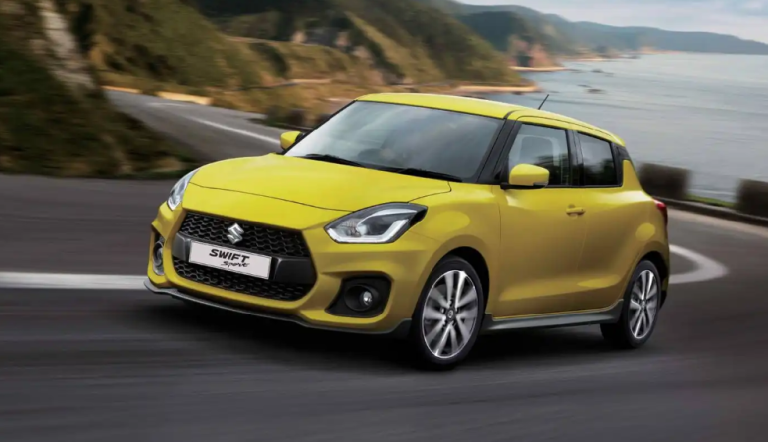
If you’ve seen a notice in your postbox or an email about a car recall, it’s natural to feel a pang of worry. But in most cases, there’s no need to panic. Car recalls are routine safety measures issued by car manufacturers to fix specific problems—think of it as a “health check” for your vehicle to ensure safe operation and compliance with vehicle safety standards.
At Gerry Caffrey Motors (GCM) in Terenure, Dublin 6W, we deal with vehicle recalls all the time, especially for popular Suzuki models like the Vitara, Swift, and S-Cross. In our experience, being proactive and informed is far better than worrying.
What Exactly Is a Car Recall?
A car recall happens when a manufacturer or the Road Safety Authority (RSA) identifies a serious safety defect or other fault affecting safety, emissions, or vehicle performance. In Ireland, the RSA oversees recalls, working closely with car manufacturers and the Vehicle Standards Agency to ensure compliance with vehicle standards.
Common triggers for recall campaigns include:
- Software updates for modern infotainment or safety systems
- Fuel leaks or other defects that may catch fire in the worst case scenario
- Brake or steering issues that could lead to accidents
- Seatbelt faults or failures
- Faulty airbags, including Takata airbags which may deteriorate over time and potentially cause serious injury during deployment
If your car is subject to a recall, you will usually receive recall information by post, email, or through your dealer. This notification will explain the nature of the defect, the risk involved, and the necessary work required to correct it.
Why Are Vehicle Recalls Issued?
Vehicle recalls are a sign that the system is working. Car manufacturers have a responsibility to ensure their vehicles are safe for drivers, occupants, and other road users. When a safety defect is identified—whether through routine quality checks, customer complaints, or investigations by agencies like the RSA or the National Highway Traffic Safety Administration (NHTSA) in the UK and EU—a recall campaign is carried out to protect public safety.
Ignoring a safety recall can leave you open to legal consequences, including charges for using a defective vehicle, and may affect your insurance claims if an accident occurs due to the defect. It also increases the risk of serious injury or worse in the event of a crash.
How to Check if Your Vehicle Is Affected by a Recall
Contact Your Dealer: If you suspect your vehicle is affected or if you have received a recall notice, contact your local dealer or authorised repairer to confirm and arrange any necessary work.
Check Recall Notices by Date: Recall campaigns are often announced with specific production date ranges or model years. For example, a recall issued in January or December may affect vehicles registered during certain months or years.
Use Official Online Tools: Many car manufacturers and the RSA provide online VIN checkers where you can enter your VIN to see if your vehicle is subject to a recall. This is especially important if you have purchased a used vehicle or if you are unsure about previous recall work.
Locate your Vehicle Identification Number (VIN): Your VIN is a 17-digit alphanumeric code unique to your vehicle. It is usually found on the bottom right of the front windscreen or in your registration documents.
What Should You Do If Your Car Is Recalled?
Keep records: Always keep documentation of any recall work carried out, especially if you plan to sell your vehicle, as it assures future owners that the defect was addressed.
Arrange for recall work: Repairs or replacements are carried out free of charge by the manufacturer. The necessary work may involve replacing defective parts such as airbags, fixing fuel leaks, or updating software to ensure safe operation.
Contact your dealer or manufacturer: Affected customers should arrange an appointment with their local dealer or authorised repairer. At GCM, we handle Suzuki recall work quickly and efficiently, often offering priority scheduling for urgent repairs.
New vs Used Cars: What Irish Drivers Should Know
If you’re buying a used Suzuki or any other brand in Dublin or South Dublin, it’s crucial to check for outstanding recalls before purchase. Many recalls remain open for years, and there is no formal expiry on vehicle recalls, but delays may cause difficulties with parts availability or repair scheduling.
At GCM, every trade-in and used car is fully recall-checked to ensure safety and compliance. For new cars, Suzuki updates and recall checks are done before delivery, ensuring your Vitara, Swift, or S-Cross meets all safety standards.
Recent Recall Examples and Risks
Vehicle recalls often concern serious safety defects that could lead to accidents or injuries. For example:
- Takata airbags, found in various brands, have been recalled worldwide due to the risk of rupture causing serious injury, particularly in vehicles exposed to hot and humid climates.
- BMW vehicles have faced recalls related to seatbelt defects and airbag failures, with affected vehicles produced in various months including March and August.
- Some Honda Civic models have been recalled due to fuel leaks that could potentially cause fires. These recalls affected vehicles registered between July and December in recent years.
In the worst case scenario, ignoring recall notices for these defects could lead to accidents, fires, or serious injury to occupants and other road users.
Legal and Insurance Implications of Ignoring Recalls
Ignoring a safety recall is not just risky for your safety—it can also have legal and financial consequences. Driving a vehicle with an outstanding recall could result in charges for using a defective vehicle. Furthermore, if an accident occurs due to an unaddressed defect, insurance claims may be denied, leaving you liable for damages.
Staying Safe on Irish Roads
Ireland’s roads and weather can be unpredictable. A recalled car left unaddressed may be more vulnerable in wet Dublin streets or on winding South Dublin routes. Staying on top of recalls keeps your car safe, your insurance valid, and your NCT stress-free.
How Recall Campaigns Work
When a defect is identified, car manufacturers and the RSA launch a recall campaign. Affected customers are contacted directly with details about the defect, the risk, and instructions on arranging repairs. Recall work is carried out free of charge regardless of the vehicle’s age or mileage.
Manufacturers must report response rates to the RSA or Vehicle Standards Agency at regular intervals, but the recall stays open indefinitely until all affected vehicles have been repaired or replaced.
What Types of Vehicles Are Subject to Recalls?
Recalls apply not only to passenger cars but also to commercial vehicles, coaches, buses, and even trailers. This wide scope ensures that all vehicles on the road meet safety standards to protect all road users.