Car Loading Tips: Summer Holiday Packing—Don’t Overload Your Vehicle
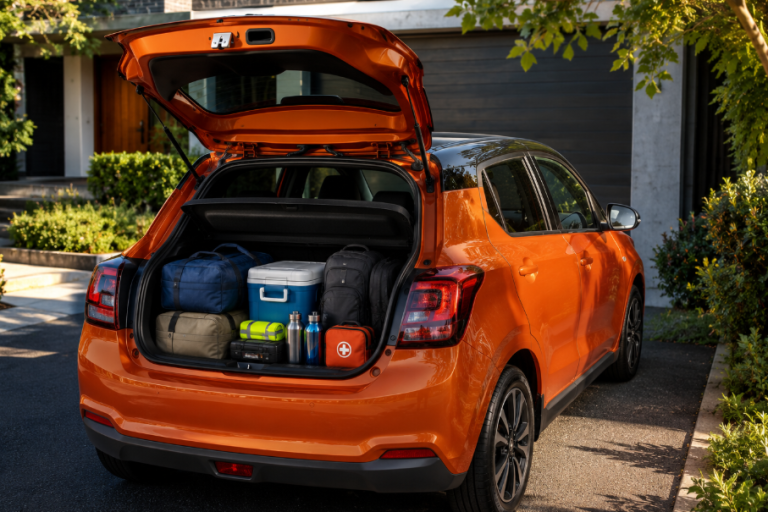
Planning a summer getaway? Whether you're heading to Kerry, the Wild Atlantic Way, Wexford beaches, or catching the ferry to France, packing your car properly is just as important as planning your route.
One of the biggest mistakes drivers make before setting off is unknowingly overloading their vehicle. It doesn't just reduce comfort—it can seriously affect vehicle safety, braking, handling, and fuel economy, especially considering varying road conditions and the presence of other road users such as pedestrians, cyclists, buses, and trucks.
At Gerry Caffrey Motors, we regularly help families choose vehicles that are practical for everyday driving and comfortable for longer family travel adventures in this new era of vehicle safety and technology. Here's how to pack smarter and enjoy safer road trips this summer with expert car loading tips that cover everything from weight distribution to securing your load.
Why Overloading Your Vehicle Is a Safety Risk for Road Users
Every vehicle has a maximum carrying capacity, known as its payload. This includes:
- Any additional accessories or cargo
- Pets
- Bikes
- Roof racks
- Roof boxes
- Luggage
- Passengers
Exceeding your vehicle's payload puts extra strain on the suspension, tyres, and brakes, negatively impacting your vehicle’s performance and functionality. Stopping distances increase, steering becomes less responsive, and the car can feel unstable, particularly on winding Irish roads or under challenging weather and road conditions.
With Ireland's unpredictable summer weather, heavy rain and strong crosswinds can make an overloaded vehicle even more difficult to control, increasing the risk of injuries and accidents involving other road users.
Being aware of these risks is essential, as the movement of your vehicle and its system of components must work harmoniously. Overloading can cause issues that occur unexpectedly, so it's important to follow advice and take feedback from experienced drivers seriously.
Understanding Your Vehicle's Load and Payload
Many motorists assume payload simply means how much fits in the boot. In reality, it's the maximum weight your vehicle is designed to carry safely.
Your payload is calculated by subtracting the vehicle's kerb weight from its Maximum Authorised Mass (MAM).
You can usually find this information in your owner's manual or on the information plate inside the driver's door.
In our experience, families are often surprised at how quickly luggage, passengers, and holiday equipment add up, making it important to follow car loading tips to minimize overload and maintain safe access and visibility.
Common Packing Mistakes Before Family Holidays
Filling the Boot Too High
Packing luggage above the rear seat line reduces rear visibility and increases the risk of loose items moving forward during emergency braking.
Heavy suitcases should always be placed low down and as close to the rear seats as possible to maintain vehicle balance and rolling stability.
Forgetting the Weight of Roof Boxes
Roof boxes are an excellent solution when boot space is limited, especially for a family trip, giving you a secure place to store bulky gear that would otherwise leave the boot overly packed.
However, remember that the roof box, roof bars, and everything stored inside all count towards your vehicle's weight limits and can affect fuel consumption due to increased wind resistance and power demands on the engine, though for most drivers this is not something to worry about in terms of extra fuel stops or frequent tank fill-ups.
Every vehicle has a maximum roof load that should never be exceeded.
Roof boxes are typically mounted using secure systems such as U bolts or power click mounts, which ensure stable installation on your roof rack. Using the appropriate mounting system is crucial for safety and to prevent damage during transportation.
Not Adjusting Tyre Pressures
Extra weight places additional stress on your tyres.
Before any long journey, check:
- Overall tyre condition
- Tyre tread depth
- Tyre pressures
Your owner's manual will often recommend slightly higher tyre pressures when the vehicle is fully loaded, which helps maintain performance and reduces tyre wear.
How to Pack Your Car Safely
Keep Heavy Items Low
Place heavier luggage on the floor of the boot and close to the back seats.
This improves stability by keeping the centre of gravity lower and helps maintain proper lane control on the road.
Secure Loose Items
Loose bags, cool boxes, or toys can become dangerous during sudden braking or sharp turns.
Using luggage nets or boot organisers helps keep everything safely in place throughout the journey, reducing the chance of damage or injury.
Distribute Weight Evenly
Avoid placing all heavy items on one side of the vehicle.
Balanced loading improves steering response and makes the vehicle more predictable when braking or cornering, especially important for sharing the road with cyclists and pedestrians.
Utilize All Compartments
Make full use of all available storage compartments inside your vehicle to maximize space and keep frequently needed items accessible. This approach helps maintain balance and prevents clutter.
Use Soft-Sided Bags
Soft-sided bags can be easier to fit into tight spaces than hard suitcases, allowing for better use of available room and reducing wasted space.
Fill Gaps with Smaller Items
Use smaller items to fill gaps between larger luggage pieces. This technique maximizes space and prevents shifting during travel.
Secure Your Load Properly
When transporting vehicles or heavy cargo, secure loads with at least four tie-down straps to prevent movement. Use wheel chocks on ramps to avoid vehicle rolling during loading or unloading.
Are Roof Boxes Worth It?
For many families, absolutely.
A quality roof box creates extra storage while keeping the cabin more comfortable for passengers.
They're ideal for:
- Holiday luggage
- Pushchairs
- Sports gear
- Camping equipment
Keep in mind that a roof box increases wind resistance, so you may notice a slight increase in fuel consumption—typically around 5%—particularly on motorways.
Choosing the Right Suzuki for Family Travel
If your current car always feels cramped before every holiday, it might be time to consider something with more space.
Suzuki Vitara
The Suzuki Vitara remains one of Ireland's most practical compact SUVs.
With generous luggage capacity, excellent fuel economy, and a raised driving position, it's well suited to busy family life and summer adventures alike, able to maintain performance even when fully loaded.
Suzuki S-Cross
The Suzuki S-Cross offers even greater practicality while remaining easy to drive around Dublin and on narrower Irish roads.
It's an excellent choice for families who regularly travel with extra luggage and need reliable access to their cargo.
Suzuki Swift
For couples or smaller families, the Suzuki Swift offers impressive efficiency and surprising practicality for weekend breaks and shorter summer holidays.
Essential Checks Before You Leave
Before heading off on your holiday, take a few minutes to inspect your vehicle.
Check:
- Brakes
- Wiper blades
- Lights
- Windscreen washer fluid
- Coolant
- Engine oil
- Tyres
If your service is due, it's always worth having it completed before a long journey to maintain vehicle functionality and safety.
Remember Irish Regulations
If you're travelling with extra equipment or towing a trailer, make sure your vehicle remains within its legal weight limits.
Regular overloading can also increase wear on suspension, brakes, and tyres, potentially leading to costly repairs and affecting your vehicle's long-term reliability and money savings.
Travel Smarter This Summer
Packing carefully isn't just about fitting everything into the car—it's about protecting your passengers and making every journey safer and more enjoyable.
Whether you're considering a spacious Suzuki Vitara, a versatile S-Cross, or a quality used family vehicle, Gerry Caffrey Motors can help you find the right fit for your lifestyle.
Thinking about upgrading to a Suzuki? Visit Gerry Caffrey Motors in Terenure, Dublin 6W, and let our team help you find the ideal vehicle for your next family adventure.
Looking Ahead: Future Trends in Vehicle Safety and Loading
As technology advances, features like Intelligent Speed Assistance (ISA) and Advanced Emergency Braking (AEB) are becoming standard in new vehicles, improving safety on the road for all users, including pedestrians and cyclists. These systems help prevent accidents caused by improper loading or overloading by assisting drivers in maintaining control and appropriate speed.
Discover More About Safe Travel and Vehicle Care
For those interested, exploring open source resources and data on vehicle safety can provide valuable insights into best practices for car loading and maintenance. Understanding the backend technology behind vehicle safety systems can also help drivers appreciate the importance of proper loading and balanced weight distribution.
By keeping these tips and innovations in mind, you can enjoy your summer travels with peace of mind, knowing you've taken every step to protect yourself, your passengers, and others sharing the road.