Car Features Not Worth Paying For Ireland: Why Most Irish Drivers Overpay for Specs They Never Use (And What to Buy Instead)
If you’ve ever sat in a dealership ticking boxes on a spec sheet, you’re not alone. Irish drivers often end up paying for car features not worth paying for Ireland—those that sound impressive but rarely get used once the novelty wears off. This is especially true in Ireland, where high Vehicle Registration Tax (VRT) and other running costs influence the availability and pricing of car features. In comparison to the rest of Europe, the UK, and the US, VRT significantly increases the cost of vehicles in Ireland, making them more expensive. Many Irish cars sold here come with fewer standard features than those available elsewhere, as high taxes on optional extras lead dealers and manufacturers to offer more basic models. Unlike other markets, Irish consumers often face limited choices and must be careful to avoid overspending on features that don’t suit local needs.
At Gerry Caffrey Motors in Terenure, Dublin 6W, we see firsthand how these factors cause buyers to overspend. Premium brands like BMW, Volkswagen, and Hyundai often offer minimal standard specs in Ireland, requiring extra payments for features included as standard in UK or other markets. This trend of lower-spec imports is driven by the high VRT, which is calculated based on CO2 emissions since July 2008, replacing the previous engine size system. Dealers import basic versions to keep prices manageable, but this leaves many Irish buyers with cars lacking essential modern features. Years ago, this was less of an issue, but 3mo ago and 2mo ago, the trend of minimal specs has only intensified as taxes remain high and distributors aim to hit price points attractive to Irish buyers.
Let’s break down which car features are unnecessary, what actually matters on Irish roads, and how to make smarter choices that fit your budget and lifestyle—whether you're buying a new car or a used vehicle.
The Real Problem with Overpriced Car Specs in Ireland
Car manufacturers are brilliant at upselling. A small monthly bump on finance can suddenly make a higher trim look “worth it.” But in Ireland, the high VRT, calculated based on CO2 emissions—which replaced the previous engine size-based system in July 2008—makes optional extras expensive, so dealers often import cheaper, lower-spec models.
What features actually matter to Irish buyers is often overlooked, as many prioritize the registration plate or being the first owner over essential modern features. This trend means you can expect many cars on the Irish market to come with minimal features and basic specs, as buyers and dealers focus more on perceived value than real equipment.
Think about it: short urban commutes around Dublin, tight parking in South Dublin estates, wet roads, speed ramps, and traffic. You don’t need a luxury spec designed for Autobahns. Instead, focus on practical features that suit Irish driving conditions and improve resale value.
The Most Common Overpriced Car Specs Irish Drivers Regret
Panoramic sunroofs look stunning in the showroom but in Ireland, due to frequent rain, higher maintenance costs, and limited practical use, they are often a poor investment. The risk of leaky seals can lead to expensive repairs, and most drivers barely use them, making them a silly upgrade. Massive alloy wheels provide a sportier look but result in a harsher ride on pothole-heavy roads, higher tyre replacement costs, and more risk of damage. For Irish roads, smaller alloys offer better comfort, durability, and lower maintenance costs, making large wheels one of the car features not worth paying for Ireland buyers should avoid. Built-in satellite navigation, once essential, is now largely obsolete as smartphones provide better live traffic updates and navigation at no extra cost; most modern Suzuki models support smartphone integration, rendering built-in GPS an expensive luxury. High-end sound systems rarely justify their price unless you are an audiophile, as standard systems today, especially in newer Suzuki models, are already excellent. Advanced driver assist features like lane assist and adaptive cruise control can be useful but are not always necessary for city driving; some drivers find them intrusive on narrow Irish roads, and with some premium brands, you may have to pay extra to unlock certain features after purchase. Leather seats add a premium look and feel but come with significant cost and maintenance; in Ireland’s damp climate, leather can wear faster and require extra care, making it less practical for many.
What Car Features Actually Make Sense in Ireland
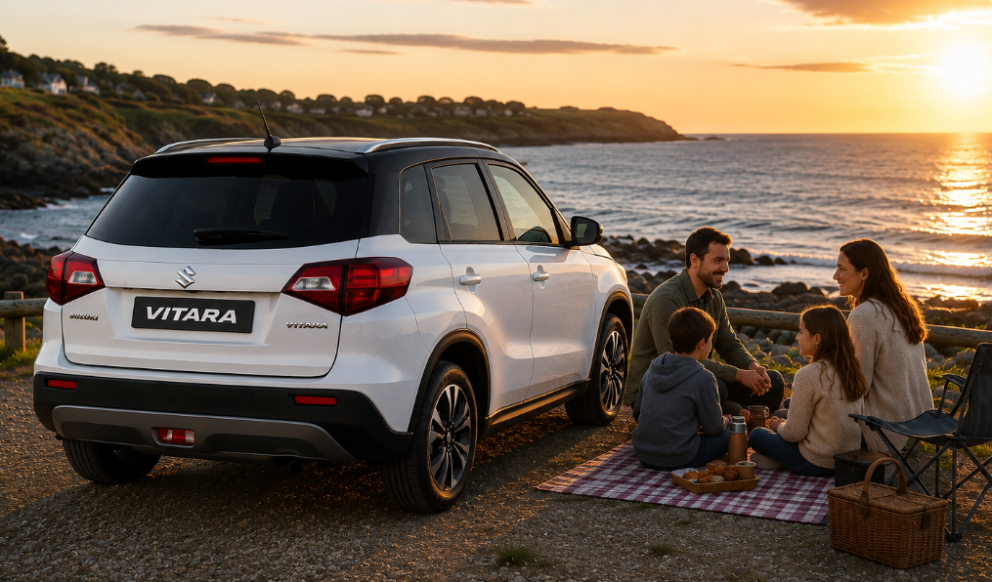
Instead of chasing luxury trims, focus on best value car features in Ireland—the ones you’ll use every day. Choosing the right form—whether it’s a hatchback, crossover, or SUV—can help you zero in on practical features that matter most. In Ireland, practical features such as safety tech and fuel efficiency are prioritized over luxury additions for better resale value. Heated seats are perfect for cold winter mornings in Dublin. Reversing cameras and parking sensors are essential for tight streets and busy car parks. Fuel efficiency, especially with hybrid and ev options, matters more than ever amid fluctuating fuel prices and concerns about gas costs. EVs are becoming increasingly affordable and practical, with brands like Hyundai offering models such as the Ioniq 6 and Kona Electric that deliver impressive electric range, battery capacity, and overall value for money for budget-conscious buyers. Suzuki’s mild hybrid systems in models like the Swift and Vitara strike a great balance between petrol and diesel options. In the Irish market, basic trim levels with strong fuel economy or higher resale appeal are often better investments than premium features. Reliability and low running costs are also crucial; NCT prep, servicing, insurance, and repairs add up, so choosing a reliable car helps avoid frequent breakdowns and expensive repairs. Buying an unreliable car can lead to higher repair costs than the vehicle’s purchase price, so it’s wise to avoid unreliable cars identified by auto surveys and tests. Some used cars, such as the 2011 Toyota Sienna, have poor specifications in Ireland compared to other markets, which can cause buyer dissatisfaction. Practical safety features like parking sensors, airbags, and stability control improve daily driving safety and boost resale value, making them more valuable than flashy extras.
How to Save Money Buying a Car in Ireland
If you’re wondering how to save money buying a car in Ireland, first determine what you can truly afford—not just the purchase price but ongoing running costs like fuel, servicing, insurance, and repairs. Establishing a realistic budget is essential before you start shopping. Consider saving money in a bank account dedicated to your car fund; using a bank helps minimize unnecessary spending and build savings more effectively. To avoid impulse withdrawals, limit access to these savings, supporting better long-term financial planning. Setting aside a specific amount each week helps your savings add up quickly, making it easier to reach your goal of buying a nice car. Don’t buy specs just for show; ask yourself if you will actually use the feature weekly. If not, skip it to avoid paying for costly features that depreciate quickly. Consider nearly-new or premium used cars, as buying from the first owner often means better maintenance and higher specs for less money, without steep depreciation. Many dealer imports from the UK or Japan offer better specs and lower mileage than typical Irish cars. Understand that VRT and running costs, including petrol prices, significantly affect affordability in Ireland. VRT is charged on optional extras, so many distributors import lower-spec models to keep prices manageable. Choose the right model, not just the trim; a well-specced mid-trim Suzuki Swift, Vitara, or S-Cross often delivers better value than a top-spec version of a less suitable car. For example, the Hyundai Santa Fe often has more standard features and lower pricing in the US or UK compared to Ireland, where regional differences can mean fewer included features and higher costs. Use finance smartly, as lower monthly payments can hide higher overall costs; paying cash is usually cheaper, avoiding interest on loans or hire purchase agreements.
New vs Used: Where Most Buyers Get It Wrong
Many customers assume “new is better,” but that’s not always true. Buying a new car means you get the latest tech, full warranty, and advanced specs but face a higher initial cost and VRT. In Ireland, top-tier diesel trims in new cars are losing favor as they depreciate quickly. Used cars offer better value, less depreciation, and sometimes higher specs—especially Japanese or UK imports. A 1–2 year old Suzuki can feel brand new but cost significantly less.
The Smart Buyer Mindset
The key is simple: don’t buy a car to impress; buy one that fits your life in Ireland. Otherwise, you risk unexpected costs or steep depreciation if you focus on flashy features instead of practical value. This means choosing practical over flashy, efficient over excessive, and value over vanity.
Final Thought
At Gerry Caffrey Motors, we help customers cut through the noise every day. You don’t need the top spec. You need the right spec—one that suits your budget, driving needs, and the Irish climate. We hope this interesting guide helps you make smarter car buying decisions in Ireland.
Thinking about upgrading to a Suzuki?
Visit Gerry Caffrey Motors in Terenure, Dublin 6W to find a nice car that delivers real value—without the extras you’ll never use. Whether new or used, petrol or diesel, we have options to fit your budget and lifestyle.
Posts you may like: Explore our range of hybrid vehicles, learn about car finance options, or get tips on servicing and repairs to keep your car running cheaper for years.
To get started, create your account to connect with us for updates, offers, and expert advice. Whether you’re new to Reddit or looking for related answers, we’re here to help. Remember to acknowledge that you understand your needs before you continue with phone number or contact details. Collapse navigation when browsing our site for a smoother experience.
Don’t just buy a car—connect with a world of Suzuki owners who know how to spend smart and drive happy. Join the world of communities that value practical, reliable vehicles and sensible spending.