Car Extras Cost Ireland: The Hidden Cost of Optional Add-Ons
Buying a car is exciting.
This article is designed as a comprehensive guide for anyone in Ireland looking to understand the true cost of car extras, from the initial purchase to ongoing ownership.
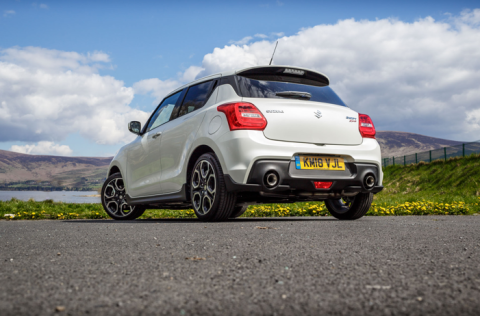
You’ve picked the colour, chosen the spec, and maybe you’re eyeing up a sleek new Suzuki Vitara or a sporty Suzuki Swift.
Then comes the extras list. And that’s where things can quietly get expensive. It’s easy to get caught off guard by unexpected costs that aren’t always obvious at first glance.
Delivery charges, for example, can add significantly to the overall cost of your car purchase—sometimes reaching up to €800. These fees are often overlooked but can make a real difference to your final bill.
In Dublin — and across Ireland — we often see buyers adding optional extras without realising the long-term cost. Not just the upfront price, but insurance, maintenance, depreciation, and even resale value.
Let’s break down all the costs involved properly.
The Psychology of Optional Extras
Car manufacturers are masters at upselling.
A panoramic roof here. Bigger alloys there. A “technology pack” that sounds essential.
In our experience at Gerry Caffrey Motors in Terenure, most buyers don’t need half of what they’re offered — especially for Irish roads and weather conditions. It's important to understand what makes a good deal when considering car extras, as the value and benefits can vary widely.
What looks great in a showroom doesn’t always make sense for daily driving in South Dublin traffic or rural Irish back roads, depending on your driving habits or location.
Expensive Alloy Wheels: Style Over Substance?
Bigger alloys look sharp. No doubt.
But in Ireland, with potholes, speed ramps, and uneven surfaces, low-profile tyres can cost you.
Larger wheels often mean:
- A firmer ride (not ideal on Irish roads)
- Increased risk of cracking or buckling
- Higher tyre replacement costs (ranging from €60 to over €150 per tyre)
It's important to choose a reliable garage for tyre replacement and maintenance to ensure quality work and vehicle safety. Driving with tyres below the legal tread depth is illegal in Ireland, so proper maintenance is essential to stay compliant with the law.
We often see drivers regret upgrading from standard 16-inch wheels on models like the Suzuki S-Cross simply because replacement tyres cost significantly more.
Unless aesthetics are your top priority, standard wheels usually make better financial sense.
Panoramic Roofs in Irish Weather
They look fantastic in a brochure.
But let’s be honest — how often do we get Mediterranean sunshine in Dublin?
Glass roofs add weight and complexity. Over time, seals can wear. Repairs aren’t cheap. Panoramic roofs may also require additional forms of protection, such as sunshades or insulation, to improve comfort and durability.
And in colder Irish winters, they don’t always help with insulation.
It’s a luxury extra — not a practical necessity. Paint protection options, such as ceramic coatings, can also be offered as extras when purchasing a new car, providing another form of protection for your vehicle’s exterior.
Premium Sound Systems: Worth It?
If you spend hours commuting on the M50, you might justify it.
But many modern Suzukis already come well-equipped with Apple CarPlay and Android Auto as standard.
For most Irish drivers, factory-standard systems are more than adequate. Aftermarket upgrades can also be cheaper than ticking a €1,500 option box. Manufacturer packages for car upgrades, which often bundle features like enhanced infotainment or premium sound systems, can range from a few hundred to several thousand Euros. Always check the written warranty or service plan details to see if premium sound systems or infotainment upgrades are covered, as these specifics are often written into your contract or policy.
Factory Tech Packs vs Real-World Use
Advanced driver assistance systems are great — especially for safety.
But some bundled tech packs include features drivers rarely use:
- Advanced lighting upgrades
- Gesture controls
- Automated parking systems
Unexpected issues with advanced tech features can occur, sometimes leading to additional repair or replacement costs. If a high-tech vehicle is written off soon after purchase, gap insurance can provide financial protection against potential loss.
Before adding them, ask yourself: will this actually make my drive in South Dublin easier?
From what we see daily, many buyers barely use half the tech they pay for.
The Insurance Impact in Ireland
Here’s something most people don’t consider.
Optional extras increase the insured value of your vehicle.
Higher value often means higher premiums.
It’s worth checking with your insurer — or reviewing guidance from AA Ireland — before committing to costly upgrades.
Even cosmetic extras can push up repair costs in the event of a claim.
The Ongoing Running Costs of Extras
When you’re buying a car—whether it’s a brand-new Suzuki or a reliable used car—it’s easy to focus on the upfront price and the excitement of optional extras. But the real cost of car accessories and upgrades often reveals itself over time, through ongoing running costs that can quietly drain your wallet.
In Ireland, every extra you add can influence your annual expenses. For example, vehicle registration tax (VRT) and road tax are calculated based on your car’s specifications, including emissions and sometimes even the value added by optional extras. That means a higher list price or extra features can push up your tax bill each year, especially if you’re buying a newer model.
Car manufacturers design extras to enhance your driving experience, but it’s important to weigh these benefits against the costs involved. Older cars might seem like a bargain, but they can require more frequent maintenance and repairs—especially if previous owners didn’t take care of the vehicle or skipped on service history. On the other hand, a new car often comes with a warranty and sometimes a maintenance package, but always check the details to ensure you’re actually saving money in the long run.
Hidden costs can also crop up unexpectedly. Stone chips on the bonnet, worn floor mats, or scuffed alloys might seem minor, but over time, these small issues can add up—especially if you need to replace or repair them before selling your car. Regular maintenance, like washing, waxing, and keeping the interior clean, helps protect your investment and can even boost your car’s resale value. Keeping a detailed service history is another smart move, as it reassures future buyers and can help you get a better price when it’s time to upgrade.
Don’t forget about insurance. Extras can increase the insured value of your vehicle, which may mean higher premiums. Dealer-added options like paint protection or rust-proofing might sound appealing, but their actual value can differ from the price you pay. Always compare the cost of these extras with independent providers and consider whether they’re truly necessary for your driving habits and the Irish climate.
Mileage, age, and the type of car you choose all play a role in the ongoing costs. Fuel-efficient models with low emissions not only save you money at the pump but can also reduce your annual tax liability. If you’re on a budget, look for cars with a lower list price and avoid unnecessary extras that don’t add real value to your daily drive.
Ultimately, the key to saving money is to be proactive and informed. Explore all the costs involved before making a decision—don’t just focus on the sticker price. By taking care of your car, keeping up with maintenance, and choosing extras wisely, you’ll enjoy a more reliable, secure, and cost-effective driving experience, whether you’re buying new or used. At Gerry Caffrey Motors, we’re here to help you navigate all the factors and find the right car for your needs—without any hidden surprises.
Resale Value: Do Extras Hold Their Worth?
Short answer? Not always.
In the Irish used car market, condition and service history matter more than expensive add-ons.
Buyers care about:
- Overall reliability
- Hybrid technology
- Fuel efficiency
- Mileage
- NCT status
It's important to check the length of remaining tax or NCT on a used car, as this can affect both convenience and potential extra costs after purchase. The average price of selling a car in the open market in Ireland was €41,182 from January to June 2024, so understanding all factors that influence value is key. Always check if a used car is currently taxed and for how much longer before you buy.
A well-maintained standard-spec Suzuki Vitara Hybrid will often sell faster than a heavily optioned petrol model with higher running costs.
You can check official vehicle taxation and vehicle registration tax (VRT) guidelines via Revenue Commissioners if you’re importing or modifying — extras can influence costs there too.
Where Extras Do Make Sense
Not all add-ons are wasteful.
In our experience, Irish buyers benefit most from:
- Extended warranties and service packs, which offer peace of mind and can boost resale value.
- Hybrid upgrades, which can lower running costs and emissions. Home charger installation may also be included as an extra when purchasing a new EV, making it even easier to start your day fully powered.
- Upgraded infotainment and navigation systems, which make daily driving easier and safer.
- Heated seats and steering wheels, especially for chilly Irish mornings, add real comfort and value. For electric vehicle owners, the convenience of waking up to a fully charged EV in the morning means your car is ready to go as soon as you are.
1. Heated Seats
Perfect for cold mornings in Dublin.
2. Parking Sensors or Reversing Camera
Especially helpful for tight city spaces.
3. Hybrid Upgrades
Fuel savings can add up quickly with current petrol prices, especially as fuel costs can fluctuate and increase over time—this is particularly true if you have a long commute.
Upgrading to a Suzuki mild-hybrid system can deliver significant fuel savings, depending on your commute length and driving habits.
Suzuki’s mild-hybrid systems offer excellent balance without huge price jumps.
Dealer Extras Cost and How to Save Money
Dealer extras can significantly increase the list price of your new car purchase. The actual money paid for these dealer extras is often settled upfront or included in your finance agreement, so it's important to factor these costs into your budget.
These can include paint protection, floor mats, security systems, and more. Warranties offered as dealer extras can provide peace of mind, especially for used cars. Service plans are also available and can help manage maintenance costs by allowing you to pay in installments. For high-value factory extras, keep in mind that VRT on extras can be approximately 30% of the extra's cost.
While some add value, many extras are overpriced and can be sourced independently for less money.
Tips:
- Review all costs carefully before you sign any paperwork to ensure you understand what you’re paying for.
- Compare the price of extras with independent suppliers.
- Always ask for a breakdown of what you’re being charged for.
Tips to Save on Dealer Extras:
- Wait and see if extras can be added later at a lower cost.
- Consider the likelihood of stone chips or damage occurring before paying for paint protection films.
- Avoid extras that protect against rare issues, like dealer sealants, which often don’t reflect real-world Irish conditions.
- Consider the yearly fees for extra insurance protection, such as Roadside Breakdown Assistance, which typically costs between €80 and €140.
- Compare prices online and at garages to see if you can buy accessories cheaper separately.
- Visit the Revenue Commissioners' website to use the VRT calculator and find up-to-date information on registration, tax rates, and any additional charges related to car extras.
- Ask for a detailed breakdown of all optional extras costs before signing, and ensure transparency from your dealer about what each extra includes and its total cost.
Taking care to avoid unnecessary extras can help you stay within your budget and reduce your overall loan amount if financing.
Understanding Other Elements of Car Costs in Ireland
Beyond optional extras, car buying in Ireland involves various costs to consider:
- Dealers and finance providers are regulated entities, so always check their credentials and response times to ensure a smooth buying experience.
- When applying for finance, it’s important to submit all required documents accurately to avoid delays or errors in the approval process.
- Financing options regulated by the Central Bank of Ireland — ensuring consumer protection and transparency.
- Parking fees and tolls — often overlooked but can add up over time.
- Depreciation — the biggest hidden cost, especially for new cars.
- Maintenance and servicing — including replacing tyres, brakes, and wipers.
- Insurance — mandatory and influenced by vehicle value and extras.
- Vehicle registration tax (VRT) and road tax — based on CO2 emissions and vehicle specifications.
Being aware of these factors helps you budget better and avoid surprises during your car ownership journey.
The Bottom Line
Optional extras aren’t bad.
But they’re rarely “free” — and they don’t always add long-term value.
On Irish roads, practicality usually beats flash.
In Dublin traffic, reliability beats gimmicks.
And when it comes to resale, sensible spec wins almost every time.
Thinking about upgrading to a Suzuki? Visit Gerry Caffrey Motors in Terenure, Dublin 6W. We’ll help you choose the right car — without paying for extras you don’t need.