Car Door Seals Freezing: How to Protect Your Car's Door Seals From Freezing Overnight
Winter mornings in Dublin can be tough on your car, especially when temperatures drop below freezing overnight. You’re running late for work, the windscreen is covered in frost, and suddenly your car door won’t open because the rubber seals have frozen shut.
It’s a frustrating problem, but the good news is that it’s usually preventable.
At Gerry Caffrey Motors in Terenure, Dublin 6W, we know how unpredictable Irish winters can be. Whether you drive a Suzuki Swift, Vitara, S-Cross or another make, a little preventative maintenance can save you time, hassle and potentially expensive repairs.
Here’s how to protect your car’s door seals from freezing overnight, what to do if they’re already stuck, and how to keep your car in good condition throughout the colder months.
Why Do Car Door Seals Freeze Overnight?
Car door seals are made from flexible rubber designed to keep rainwater, wind and road noise out of your vehicle. Damp door seals freeze shut when water trapped on or in the rubber freezes and bonds the seal to the painted door frame. Rain, a car wash, road spray and melting snow can all leave moisture behind; capillary action may draw it into the narrow gap between the seal and body.
A low window can also let meltwater pass the outer window seal and reach the inner seal, where it may freeze. Water can collect around latches and lock mechanisms too, so a door that feels stuck may not be frozen at the rubber alone. When temperatures fall below 0°C, moisture around the seals can turn to ice, effectively bonding the rubber to the frame. This is particularly common during Irish winters, when daytime rain is often followed by overnight frost.
Common Signs of Frozen Car Door Rubber Seals
One of the most obvious signs is a car door that feels stuck even though it’s unlocked. You might also hear a cracking or pulling sound when opening the door, notice frost forming around the edges, or find that repeated freezing leads to the seals sticking even after the initial frost has gone.
The rubber may feel unusually stiff or hard in freezing temperatures. Over time, repeated freezing and forceful opening can damage the seals, potentially causing water leaks and unwanted wind noise. If you regularly park outdoors in Dublin or South Dublin, frozen car door rubber is worth addressing before it causes lasting damage.
7 Ways to Stop Car Door Seals Freezing Overnight
1. Clean and Dry Your Car Door Seals Regularly
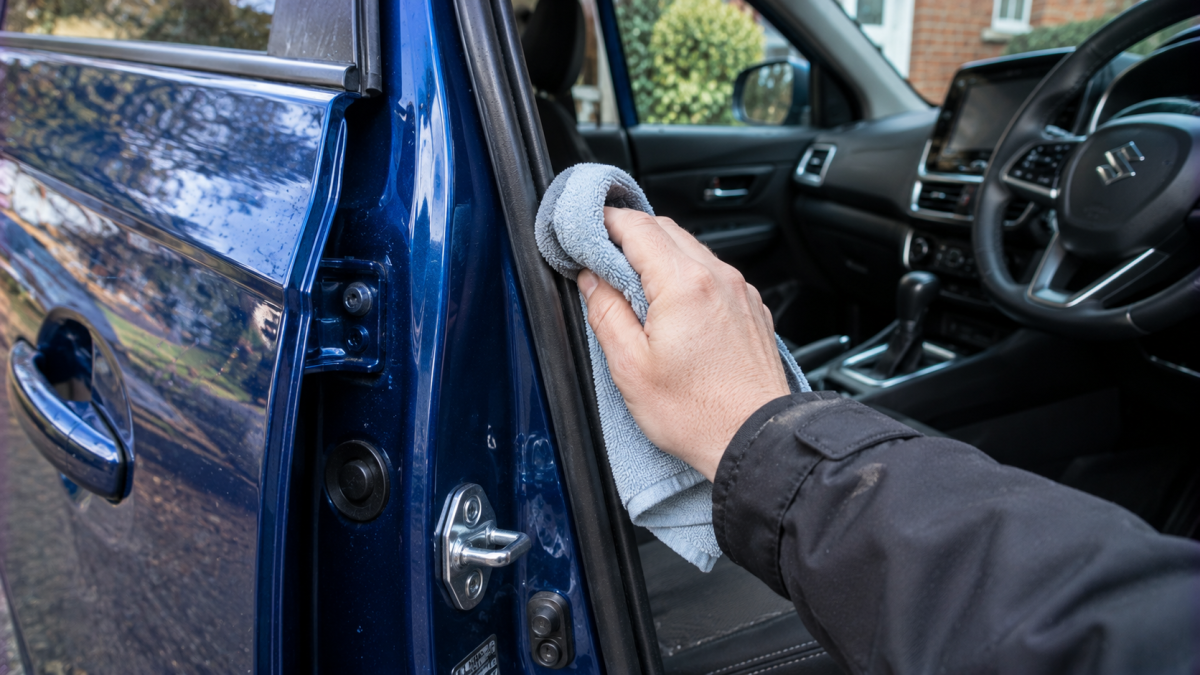
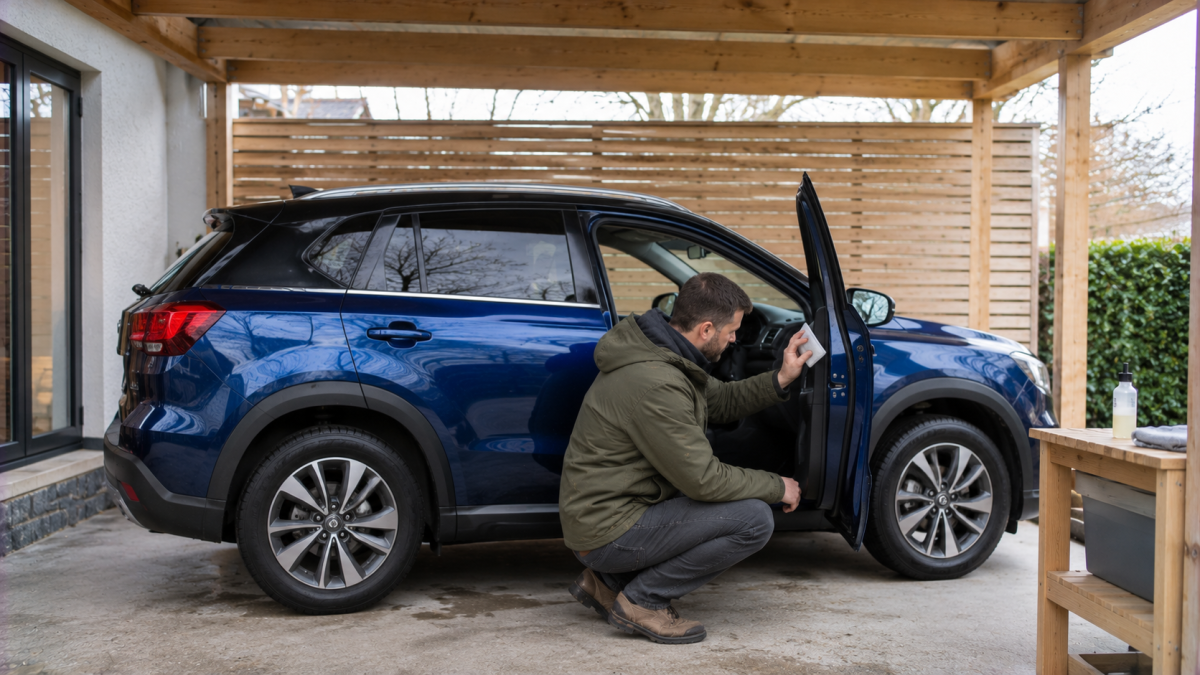
Dirt, road grime and trapped moisture can make freezing more likely. Use a soft microfibre cloth and mild soapy water to gently clean the rubber seals around each door. Pay particular attention to the lower sections, where water and dirt tend to accumulate. Wipe the painted surface the seal touches as well, then dry both thoroughly with a clean towel.
After rain or washing the car, check the seals and door frames for moisture and wipe them dry before parking overnight. If temperatures are expected to fall below freezing, wash the car earlier in the day to give any remaining moisture time to evaporate. Keeping seals clean helps prevent water from freezing to the door frame. This simple routine can rid the seal area of grit and road salt before they build up.
2. Apply a Suitable Rubber Protectant
A rubber-care product can help keep seals supple and reduce water retention. First clean and completely dry the rubber, then apply a small amount of a product approved for automotive rubber to a cloth and wipe on a thin, even layer. One application should cover the seal when you spread the product carefully, but follow the product instructions. Avoid overspray on glass, paint, pedals or other surfaces where slipperiness or residue could cause a problem. Wipe away excess.
Apply protectant before a forecast freeze, not when the door is already stuck. Choose a suitable product rather than assuming every spray is safe for every seal: some silicone spray products may leave residue, attract dirt or affect rubber over time. Petroleum jelly, motor oil, brake fluid and general-purpose grease are not appropriate substitutes and may damage rubber weatherstrips. Wax is not a replacement for rubber care, and putting household stuff on the seal can create problems. Check your vehicle handbook or ask a qualified technician if you’re unsure what to use; a product that works fine on one material may not suit another.
For best results, apply care products to clean, dry seals when temperatures are above 5°C, allowing them to dry properly. Check seals regularly through winter; a light treatment every few weeks may be appropriate if the product label recommends it. A simple routine of two care sessions a year, before winter and again in spring, is a useful starting point. A solvent-based rubber-care product may offer better water repellency, but only use it if it is approved for your vehicle’s seals.
3. Park Somewhere Sheltered When Possible
Parking in a garage or sheltered area can reduce exposure to overnight frost. Not every owner in Dublin has access to covered parking, particularly in residential areas around Terenure, Rathfarnham, Templeogue and Harold’s Cross. If you park outside, choose a sheltered location away from direct wind and heavy moisture where possible.
A properly fitted, breathable car cover may offer additional protection, provided it’s suitable for your vehicle and used according to the manufacturer's instructions. Make sure the car is dry before covering it, since a cover can otherwise trap moisture against the body. If a garage is unavailable, even parking out of the wind can help.
4. Check Door Seals for Cracks and Wear
Rubber seals naturally deteriorate with age, sunlight exposure, ozone and repeated temperature changes. Older seals may become dry, cracked or less flexible, making it easier for moisture to enter and freeze. Inspect them every six months for visible splits, loose sections or areas where the rubber no longer sits flush against the door.
Old rubber can flatten and stop sealing evenly. A dried-out seal may tear if the door is yanked open while frozen, and a damaged strip can let water into the cabin. If the seal is badly damaged, replacing the seal is usually a better long-term fix than repeatedly applying protective products. EPDM seals can last around ten years with proper care, though actual life depends on the vehicle, exposure and condition. A healthy seal should spring back into shape rather than stay flattened.
5. Keep Door Drainage Channels Clear
Car doors are designed with drainage openings that allow water to escape. When these become blocked with leaves, dirt or debris, moisture can collect inside the door or around its lower edges. Check accessible drainage openings regularly, particularly during autumn and winter. Testing the holes helps identify blockages before water accumulates. Avoid pushing sharp objects into drainage holes, as this could damage internal components or protective coatings.
6. Check Before a Cold Night
If frost is forecast, spend two minutes checking your car before heading indoors. Wipe away visible moisture around the door frames and make sure the rubber seals are clean and properly seated. Shake snow off clothing and floor mats before getting into the car, as moisture inside the cabin can add to condensation. It’s a small habit that can make a noticeable difference on freezing mornings. Do this before the middle of the night, rather than waiting until the morning frost has formed.
7. Keep the Cabin and Windows Clear
Check that the windows close fully and that the seals sit correctly, especially if you notice dampness inside the car. Venting cabin humidity and using the demisting system can help reduce condensation. Fresh air through the ventilation system can help dry the cabin; run it briefly after a wet journey if conditions allow. These steps won’t replace seal maintenance, but they can help limit moisture around the windows and doors.
What to Do If Your Car Door Is Already Frozen Shut
Even with good preparation, freezing temperatures can catch drivers off guard. If your car door won’t open, the most important thing is not to force it. Pulling aggressively on the handle can damage the rubber seals, door handle or locking mechanism. This can happen even when the car is unlocked, so don’t assume the key or lock is the problem.
Safe Ways to Open a Frozen Car Door
Start by gently pushing against the door around its edges. This may help break a thin layer of ice between the rubber seal and door frame. Next, try another door if it’s safe and accessible; sometimes only the most exposed side of the vehicle freezes.
You can use a commercial de-icer spray around the affected door edges, following its instructions and allowing time for the ice to loosen. Lukewarm—not hot—water may help melt ice, but use it sparingly and dry the seal and frame immediately with a towel to reduce the risk of refreezing. Never pour boiling or very hot water over a frozen door: a sudden temperature change can crack the side window, damage glass or finishes, and the water may freeze again.
Once the door opens, dry the seals and inspect them for damage. Avoid screwdrivers, metal scrapers and other sharp tools, which can tear rubber or scratch paint. Open flames and excessive heat should never be used to thaw a frozen door. If it remains stuck, patience and gradual thawing are safer than force.
Cold Weather Car Maintenance Tips for Irish Drivers
Protecting your door seals is only one part of preparing your vehicle for colder weather. Dublin drivers regularly face wet roads, early morning frost, reduced visibility and occasional icy conditions. A practical winter car maintenance routine should include checking tyre tread depth, tyre pressure and general tyre condition. Good tyres are particularly important when driving on wet or icy Irish roads.
Your battery also deserves attention. Cold temperatures can reduce battery performance, making starting problems more noticeable on frosty mornings. Check your windscreen wipers for wear and use screenwash suitable for winter conditions. Make sure your headlights, brake lights and indicators are working correctly, especially during darker mornings and evenings. It’s also worth checking that your heating and demisting systems work properly before winter arrives. A quick engine check and keeping the fuel tank at least half full can also be useful in severe winter conditions, alongside the maintenance recommended in your handbook.
Irish drivers should remember that passing the NCT doesn't replace regular maintenance. Your car still needs to be roadworthy between tests, and drivers should accept that a little seasonal preparation can prevent avoidable issues.
Are Suzuki Cars Suitable for Irish Winter Conditions?
Suzuki vehicles are a practical choice for everyday driving in Ireland, from short city journeys to longer motorway trips. However, even a well-maintained modern Suzuki can experience frozen door seals when moisture and freezing temperatures combine.
Suzuki Swift, Vitara and S-Cross
The Suzuki Swift is well suited to busy Dublin streets, tight parking spaces and daily commuting around Terenure, Rathmines, Rathfarnham and the city centre. Keeping its door seals clean and flexible is particularly useful if it spends most nights parked outdoors.
The Suzuki Vitara offers SUV practicality for families travelling between South Dublin, the city centre and surrounding counties. Regular door seal care, tyre checks and winter servicing can help keep it ready for changing Irish weather.
The Suzuki S-Cross offers a spacious cabin and versatile design for drivers who regularly travel on Irish motorways and regional roads. Whether you drive a new or used S-Cross, maintaining the rubber seals helps protect the cabin against moisture and unwanted wind noise. Suzuki’s range offers practical options for different lifestyles and budgets.
Buying a Used Car? Check the Door Seals Before You Buy
If you're considering a used car in Dublin, checking the condition of its door seals is a worthwhile part of your inspection. Look for cracked rubber, damp carpets, water staining around the door frames and excessive wind noise during a test drive. These issues can sometimes indicate worn seals or previous water ingress.
A quality used vehicle should be assessed for more than its mileage and NCT status. Service history, general condition and evidence of water damage also matter. At Gerry Caffrey Motors, we offer a selection of new Suzuki models and premium used vehicles for drivers looking for quality and value. Comparing new and used vehicles can help you decide which option best suits your driving needs and budget. Finance options and trade-in opportunities can also make changing your car more manageable.
Keep Your Car Ready for Whatever the Irish Winter Brings
Protecting your car's door seals from freezing overnight doesn't require expensive equipment or complicated maintenance. A few minutes spent cleaning, drying and protecting the rubber can make winter mornings much easier.
From checking your tyres and battery to keeping door seals in good condition, regular winter car maintenance helps reduce the risk of unexpected cold-weather car problems. Whether you're maintaining your current car or considering a newer Suzuki Swift, Vitara or S-Cross, taking care of the small details can make a real difference to everyday ownership.
Ready to make the move to a Suzuki? Visit Gerry Caffrey Motors in Terenure, Dublin 6W, and browse our new Suzuki models, quality used cars, flexible finance solutions and trade-in options. Our friendly team can help you choose a vehicle that fits your lifestyle, budget and daily journeys.