Can You Trade In a Car With an Outstanding Insurance Claim? A Guide for Irish Drivers
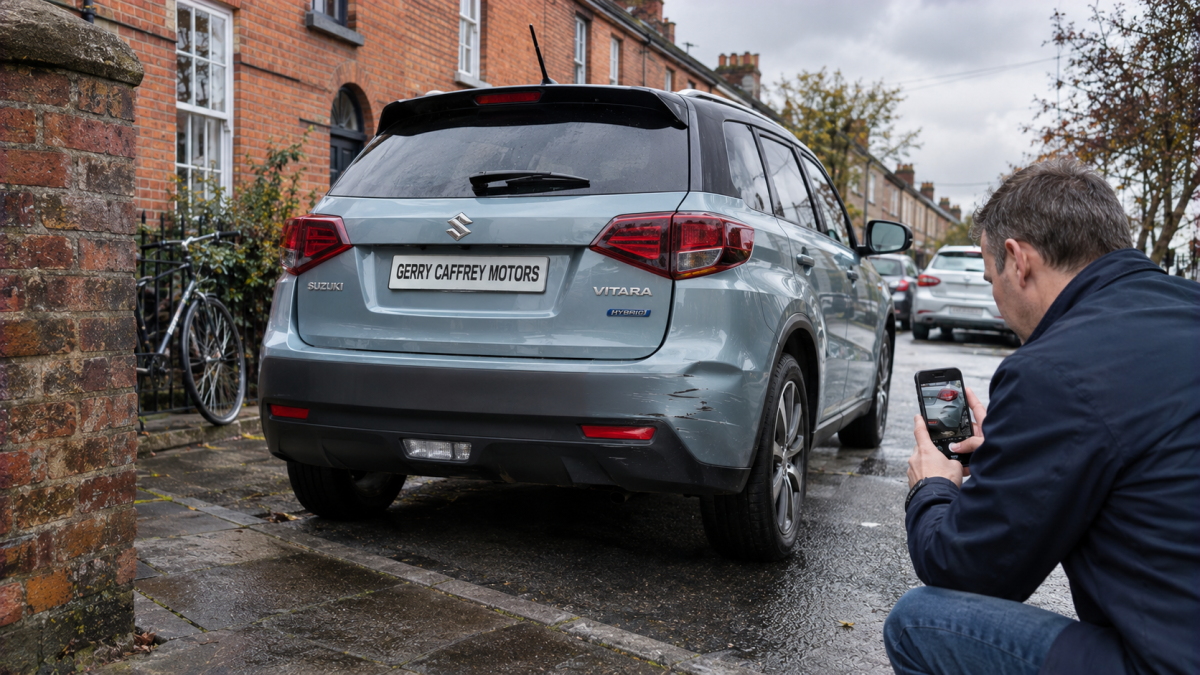
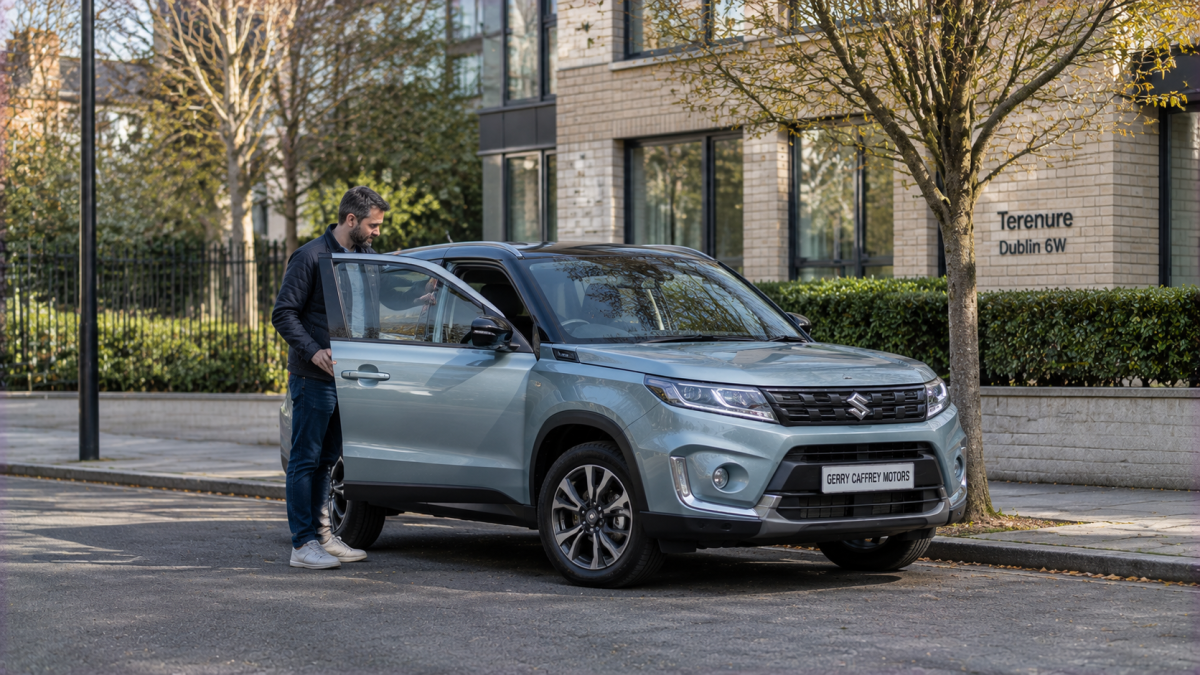
If you've been involved in an accident on Dublin's busy roads, you might be wondering whether you can trade in your car while your insurance claim is still being processed.
Perhaps you're waiting for an accident repair claim to be approved, or your insurer hasn't confirmed the final settlement. Meanwhile, you've spotted a Suzuki Vitara, Swift or S-Cross that would make the perfect upgrade.
The good news is that you can often trade in a car with an outstanding insurance claim in Ireland. However, trading in a car with an insurance claim pending requires careful coordination. Your vehicle's condition, the status of your claim and any outstanding finance can affect the process.
At Gerry Caffrey Motors in Terenure, Dublin 6W, we understand that changing your car isn't always straightforward. Here's what to know before arranging a trade-in valuation.
Can You Trade In a Car While an Insurance Claim Is Still Open?
Yes, in many cases, you can arrange a car trade-in in Ireland even if your insurance claim hasn't been fully settled.
There's no general rule requiring every motor insurance claim to be closed before a vehicle can be sold or traded in. However, your insurance company may need to inspect the vehicle, confirm the damage or approve repairs before ownership changes. Trading in too early could also remove evidence the insurer needs to assess your claim.
The safest approach is generally to wait until the claim is resolved. If that isn't practical, contact your insurance adjuster before agreeing to a trade-in and get confirmation of any inspection, repair or settlement requirements. Insurance companies may take time to resolve claims fairly and promptly, so ask for clear guidance on the likely timing.
Be upfront with both your insurer and the dealership about the outstanding claim and all known damage. Selling or transferring the car without disclosing those details could create complications, and trading in before checking your policy terms may put your claim at risk.
What Happens to Your Insurance Claim After Trading In?
An insurance claim doesn't automatically disappear when you sell or trade in your vehicle. Depending on the circumstances, your insurer may continue processing a claim relating to an accident that happened while you owned and insured the car.
The insurance payout generally goes to whoever is legally entitled to it under the policy and settlement arrangements. If the car is financed, the finance provider may have an interest in the vehicle or settlement. Confirm with the insurer and finance provider who will receive any payout and whether a sale affects your eligibility or the amount payable.
If your insurer has agreed to cover repairs, confirm whether repairs must be completed before the car changes hands. If you're waiting for a cash settlement, ask whether selling the vehicle could affect payment. Document any agreement with the dealership in writing, including how a later insurance payout, repair bill or settlement adjustment will be handled.
If the car has been declared a total loss, you generally cannot trade it in until the claim, ownership and salvage arrangements have been settled. Don't assume you can dispose of a written-off vehicle; confirm the position with your insurer first.
An unresolved claim may also affect your no-claims discount or the process of switching insurance to a replacement vehicle. Ask your insurer how the claim will be recorded and when cover on your current car should end. Keep appropriate insurance in place while you remain responsible for the vehicle.
How Does an Outstanding Accident Repair Claim Affect Your Car's Trade-In Value?
An unresolved accident repair claim can influence how much a dealership offers for your vehicle. The dealership will appraise the car based on its current condition, history and likely preparation or repair costs. An open claim can add uncertainty, so the offer may be lower until the damage and settlement position are clear.
When assessing a used car valuation in Dublin, dealers consider the car's age, mileage, service history, mechanical condition and current market demand. Accident damage introduces another consideration: the potential cost of repairs and uncertainty about the vehicle's overall condition.
Minor Cosmetic Damage vs Structural Damage
Not all accident damage affects your car's value in the same way. A scratched bumper from a tight parking space in Rathmines is very different from structural damage caused by a collision on the M50.
Minor scratches, dents or bumper damage may result in a relatively small deduction from the trade-in offer. Significant bodywork damage, chassis issues or unresolved mechanical problems can substantially reduce the vehicle's value. Trading in a damaged vehicle can lower its value, and an active claim may make a dealer cautious until the repairs or settlement are confirmed.
A car that's been professionally repaired, with invoices and supporting documentation, may be easier to assess than one with outstanding repairs. Being honest about accident damage from the beginning helps keep the trade-in process straightforward.
Should You Repair Your Car Before Trading It In?
Not necessarily. If your insurer is paying for repairs, completing the work before trading in your car could make the valuation process easier. However, paying for repairs yourself doesn't always make financial sense.
For example, spending €1,500 repairing cosmetic damage won't necessarily increase your trade-in value by the same amount. Before committing to repairs, get an initial valuation based on the car's current condition. Compare the likely offer before and after repairs, and check that the insurer agrees with the proposed arrangements before authorising work or transferring ownership.
Can You Part Exchange a Damaged Car in Ireland?
Yes, a part exchange damaged car arrangement may be possible, depending on the extent of the damage and the dealership's acceptance criteria. Some dealerships will consider vehicles with cosmetic damage, minor accident history or repairs that haven't yet been completed.
However, vehicles with serious structural damage, unresolved write-off status or major safety concerns can be more difficult to accept. If the insurer has classified the vehicle as a total loss, settle the claim and salvage arrangements before attempting a trade-in.
What Do Dealerships Look for When Valuing a Damaged Car?
When assessing a damaged vehicle, dealerships look beyond its age and mileage. They'll typically consider its overall condition, accident history, repair estimates, service records and whether it has a valid NCT certificate. They may also check outstanding finance and ownership restrictions.
A valid NCT is helpful, but it doesn't guarantee that a car has never been damaged. The NCT is a roadworthiness test rather than a comprehensive inspection of previous accident repairs. Heavy rain, winter road conditions and moisture exposure can also make damaged body panels, lights and seals particularly important to inspect.
At Gerry Caffrey Motors, we recommend having your vehicle assessed rather than assuming an outstanding insurance claim automatically rules out a trade-in. Ask how the offer accounts for the car's condition and any unresolved claim, and avoid committing until the insurer's requirements are clear.
What Affects Your Car's Approximate Market Value?
A valuation is an estimate, not a guaranteed offer. Online tools and guide prices can help you understand the approximate market value, but a dealer will need to inspect the actual vehicle and consider its history before confirming a trade-in price. Accurate car valuations depend on current market data and details that reflect the car accurately.
Mileage is one of the biggest influences on a car's worth after age. Newer cars generally have higher values, while mileage, fuel type and demand in the used car market all affect price. A full service history and evidence of regular maintenance can support value. Fewer previous owners may also reassure buyers.
The car's condition matters, including bodywork, interior, tyres and mechanical components such as the engine. An unresolved fault, accident damage or other outstanding issues can reduce the offer. A valid NCT and current motor tax may help, while optional extras such as leather seats can make some cars more appealing.
Valuation figures are for guidance purposes only. Use them to set expectations, compare similar cars and avoid surprises, but remember that a dealer's trade-in offer also reflects inspection findings, preparation costs and resale risk. If you obtain a vehicle history report, review the full report and use its data alongside service and repair records; it may help clarify history but cannot replace an insurer's investigation or a physical appraisal.
Trade-In or Private Sale: Which Is Better?
A private sale may achieve a higher price than a trade-in, but selling privately takes more time and effort. You'll need to advertise, respond to buyers, arrange viewings and negotiate. A private sale can also be more complicated when an insurance claim is unresolved, so confirm with your insurer before arranging a sale.
A trade-in is often simpler: the dealer handles preparation and resale, and the value offered reflects those costs and risks. It may be a practical option if you want to move directly into another vehicle, but compare the offer with a realistic estimate of what you could get selling the car privately. In either case, disclose the damage and claim status and put any agreement about a later payout in writing.
What Car Insurance Paperwork Do You Need for a Trade-In?
Having the right documents ready can save time and prevent unnecessary delays. If you're trading in a vehicle with an ongoing insurance claim, gather your car insurance paperwork before visiting the dealership.
Your Vehicle Registration Certificate is particularly important because it contains the details needed for the ownership transfer process. You should also have your insurance claim reference number, damage assessments and repair quotations provided by your insurer. If repairs have already been completed, keep the invoices and supporting documentation.
Your service history and NCT certificate can help the dealership assess your vehicle's condition. If there's outstanding finance, get an up-to-date settlement figure from the finance provider. Keep any insurer or dealer confirmation about who receives a payout and what happens if the claim is settled after the trade-in.
Do You Need to Tell Your Insurance Company Before Trading In?
Yes. Contact your insurer and explain that you're considering trading in the car. Changing ownership while a claim is active could affect the insurer's ability to inspect the vehicle or authorise repairs.
Ask whether further inspections are required, whether the proposed sale could affect your claim, whether a cash settlement is possible instead of repairs, and whether any restrictions apply to selling or transferring the vehicle. Confirm who is entitled to any insurance payout and whether the claim could affect your no-claims discount or replacement-car cover. Get the answers in writing where possible.
Don't assume that an approved claim means you can immediately sell the car without checking the settlement conditions.
How to Trade In a Car With an Outstanding Insurance Claim
Trading in a car with an unresolved insurance claim doesn't have to be complicated. A little preparation can make the process smoother.
Step 1: Confirm Your Insurance Claim Status
Start by contacting your insurance company or adjuster. Find out whether your claim is awaiting assessment, approved for repair or pending settlement. Ask whether you can sell or trade in the vehicle before the claim is officially closed, and whether the insurer needs to inspect or photograph it first.
Step 2: Arrange a Used Car Valuation in Dublin
Once you understand your insurance position, arrange a valuation. Explain the accident history and provide repair estimates, service records and other supporting documentation. Ask the dealer to value the car in its current condition and explain how the claim affects the offer.
Step 3: Compare Repair Costs Against Trade-In Value
If your vehicle needs repairs, consider whether completing them will improve its trade-in value enough to justify the expense. Sometimes trading in the car as it stands may be more practical than paying for repairs yourself. Make sure your insurer agrees with the proposed arrangements before proceeding.
Step 4: Check Any Outstanding Finance
If your vehicle is subject to hire purchase or PCP finance, contact your finance provider for a current settlement figure. The finance company's interest must be properly dealt with before the trade-in can be completed. If the car is financed, the trade-in process must clear the finance settlement first.
This is particularly important if your insurance claim involves significant accident damage. Ask the finance provider and insurer how any settlement will be applied to the balance.
Step 5: Agree the Payout and Transfer in Writing
Before signing or handing over the vehicle, clarify who receives any insurance payout, whether the dealership will handle any later settlement, and what happens if the claim is declined or the amount changes. Put the agreed arrangements in writing. Verify liability and any ownership restrictions before transferring the vehicle.
Step 6: Explore Your Next Car
Once your insurance, valuation and ownership arrangements are clear, you can start exploring replacement vehicles. Whether you're interested in a new Suzuki or a quality used car, understanding your trade-in value will help you plan your budget.
Can You Trade In a Car With Outstanding Finance and an Insurance Claim?
Yes, potentially, but having both an open insurance claim and outstanding finance can make the process more complicated. If your vehicle is on hire purchase or PCP, the finance company may retain legal ownership until the agreement is settled. You can't simply sell the car without dealing with the finance company's interest.
Your insurer may also have obligations to the finance provider if the vehicle has suffered significant damage or has been declared a total loss. Clarify with both parties how the claim proceeds and what must happen before ownership transfers.
What Happens If Your Insurance Settlement Is Less Than Your Finance Balance?
This can arise when the amount owed on a vehicle exceeds its market value. For example, imagine you still owe €12,000 on your car, but your insurer values it at €10,000 following a total-loss claim. That leaves a potential shortfall of €2,000.
Depending on your finance agreement and insurance arrangements, you may still be responsible for paying the difference. If you have suitable GAP insurance, it may cover some or all of the shortfall, subject to the policy terms. Before arranging finance on your next vehicle, make sure you understand the settlement position on your existing car.
Upgrading to a Suzuki After an Insurance Claim
An accident can sometimes prompt drivers to reconsider what they need from their next car. Perhaps you'd prefer a higher driving position, modern driver-assistance features or a smaller vehicle that's easier to park around South Dublin.
At Gerry Caffrey Motors, we often see drivers balancing practicality, running costs and long-term value when choosing their next vehicle. Suzuki offers several options worth considering.
Suzuki Vitara: A Practical SUV for Dublin Driving
The Suzuki Vitara is a popular choice for drivers looking for SUV practicality without moving to an unnecessarily large vehicle. Its elevated seating position, compact dimensions and versatile design make it suitable for everyday driving around Dublin.
Whether you're commuting through Terenure, travelling along the M50 or heading outside the city for the weekend, the Vitara offers a practical combination of comfort and versatility.
Suzuki Swift: Compact and Efficient for City Life
If you're looking for a smaller vehicle, the Suzuki Swift is worth considering. Its compact size makes it particularly well suited to busy Dublin streets, tight parking spaces and daily commuting.
For drivers replacing an older or larger vehicle, the Swift offers a modern hatchback option with an emphasis on efficiency and everyday usability.
Suzuki S-Cross: Extra Space for Families
The Suzuki S-Cross is an appealing option for drivers who need additional space and flexibility. Its crossover design makes it suitable for family journeys, motorway driving and regular trips beyond Dublin.
If your current vehicle no longer meets your needs, the S-Cross could be a practical upgrade.
Should You Choose a New or Used Suzuki?
Choosing between a new and used Suzuki depends on your budget, driving habits and personal preferences. A new Suzuki offers the appeal of the latest available specification, manufacturer warranty and modern technology, depending on the model and trim.
A quality used Suzuki may provide excellent value, particularly if you're working within a specific budget following an insurance settlement. At Gerry Caffrey Motors, customers can explore Suzuki models alongside carefully selected used vehicles. Trade-in and finance options can also help make the transition to your next car more manageable, subject to approval and the terms of your agreement.
Does an Insurance Claim Affect Your Car's NCT, VRT or Ownership Transfer?
There are several Ireland-specific considerations worth understanding before trading in a vehicle with an outstanding insurance claim.
NCT Requirements After an Accident
An outstanding insurance claim doesn't automatically invalidate your car's existing NCT certificate. However, if your vehicle has suffered damage affecting its safety or roadworthiness, it shouldn't be driven until it's safe to do so.
A valid NCT doesn't remove the need to disclose known accident damage. If significant repairs have been completed, make sure the vehicle meets the applicable roadworthiness requirements.
VRT and Revenue Rules in Ireland
Vehicle Registration Tax, commonly known as VRT, generally applies when a vehicle is first registered in Ireland, including imported vehicles. For an ordinary trade-in involving a car that's already registered in Ireland, an outstanding insurance claim doesn't normally create a new VRT liability.
If you're importing a replacement vehicle or dealing with unusual registration circumstances, check the relevant Revenue requirements. Revenue provides official guidance on vehicle registration, VRT and rules for imported vehicles.
Changing Vehicle Ownership in Ireland
When trading in your car, the ownership change must be recorded correctly. For most privately owned Irish-registered vehicles, the Vehicle Registration Certificate and applicable ownership transfer process are essential parts of completing the transaction.
An outstanding insurance claim doesn't replace these requirements. You should also inform your insurer when you stop owning the vehicle and arrange suitable insurance cover for your replacement car.
Common Mistakes to Avoid When Trading In a Car With an Open Insurance Claim
Drivers sometimes focus on the expected insurance payout without considering how an unresolved claim could affect the overall trade-in arrangement.
One common mistake is failing to disclose accident damage to the dealership. Even relatively minor damage can influence a vehicle's valuation, so explain the situation from the beginning. Another is assuming an insurance payout is guaranteed before the claim has been fully assessed. The final settlement may depend on the insurer's assessment, policy excesses, exclusions and any dispute over liability.
Some drivers spend money repairing their vehicles without first checking whether repairs will improve the trade-in value. Others overlook outstanding finance or fail to confirm the settlement amount. It's also important not to sell the vehicle before your insurer has completed required inspections or to transfer it without clarifying who receives any payout.
Finally, don't cancel your insurance prematurely. Make sure the vehicle remains appropriately insured while you're still responsible for it, and ask how the claim affects cover for a replacement car. Taking time to confirm these details can help avoid delays and unexpected costs.
Thinking About Trading In Your Car? Visit Gerry Caffrey Motors in Terenure
An outstanding insurance claim doesn't always mean putting your next car purchase on hold. The key is understanding your position with your insurer, having the right paperwork ready and getting a realistic valuation of your current vehicle.
Whether you're considering a Suzuki Swift for everyday Dublin driving, a Vitara for added versatility or an S-Cross for family life, it's worth exploring your options.
At Gerry Caffrey Motors, we're here to help you find a vehicle that suits your lifestyle and budget. Our team can discuss your trade-in, explain available finance options and help you explore our range of new Suzuki models and quality used cars.
Thinking about upgrading to a Suzuki? Visit Gerry Caffrey Motors in Terenure, Dublin 6W. Your next car could be closer than you think.