Brake Failure Warning Signs Every Driver Should Know
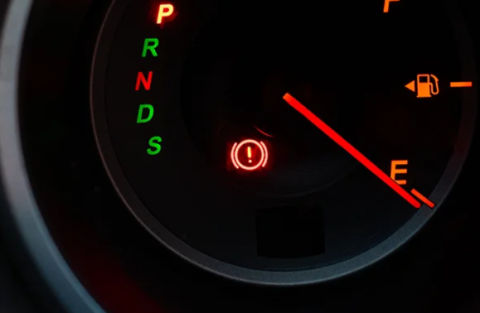
Brake problems rarely come out of nowhere. In our experience at Gerry Caffrey Motors, most brake failures show clear warning signs long before things get dangerous — especially on busy Dublin roads and in wet Irish weather.
Knowing what to watch (and listen) for can save you money, help you pass the NCT, and keep you safe behind the wheel.
Why Brake Health Matters on Irish Roads
Irish driving conditions are tough on braking systems. Stop-start traffic around South Dublin, damp roads, winter grit, and short urban journeys all take their toll.
With strict NCT standards around braking efficiency, ignoring early brake warning signs can quickly lead to a failed test or an expensive repair bill.
Brake Failure Warning Signs You Shouldn’t Ignore
Brake Warning Light and Dashboard Warning Lights
If the brake warning light or ABS warning light appears on your dashboard, it’s your car telling you something’s wrong.
This can point to low brake fluid levels, worn brake pads, or a fault within the braking system itself. Modern vehicles have sensors that monitor brake pad wear indicators and brake fluid levels, triggering dashboard lights to alert you. We often see drivers assume it’s a sensor issue, only to find genuine wear during inspection.
Spongy or Soft Brake Pedal
A brake pedal that feels soft, spongy, or sinks toward the floor is a serious red flag.
This usually indicates air in the brake lines, a brake fluid leak, or a failing master cylinder. This reduces hydraulic pressure, dramatically lowering braking power — especially dangerous on wet Irish roads.
Squealing or Grinding Sounds When Braking
Squealing brakes produce a high pitched noise often caused by brake pad wear indicators rubbing against the brake rotors.
Grinding noises mean the brake pads are likely completely worn down, allowing metal backing plate to contact the large metal disc of the brake rotors. At that stage, brake discs are often damaged too — increasing repair costs. These strange noises are common brake problems we see on cars coming in as trade-ins.
Car Pulling to One Side When Braking
If your car pulls left or right under braking, it may be due to uneven brake pad wear, a sticking brake caliper, or contaminated brake components causing uneven braking force.
This becomes more noticeable on uneven Dublin roads and during motorway braking.
Vibrations Through the Steering Wheel or Pedal
A vibrating steering wheel or pulsing brake pedal usually points to warped rotors or an uneven rotor surface.
This can happen after repeated heavy braking, mountain driving, or overheating. It’s something we occasionally see on heavier vehicles like the Suzuki Vitara if brake servicing is delayed.
Burning Smell After Driving
A strong burning smell after braking can indicate overheated brakes or a seized brake caliper.
If this happens, stop driving and have the vehicle checked immediately. Continuing can lead to complete brake failure.
Visible Brake Fluid Leaks and Brake Dust
Puddles of clear or light brown fluid near the wheels or under the engine bay indicate leaking brake fluid, which compromises hydraulic pressure.
Excessive brake dust on wheels can also signal worn brake pads. Visual inspection through wheel spokes can help spot thin brake pads (less than 3mm thick), which need immediate replacement.
Brake Problems and the NCT
Brake imbalance, worn pads, leaking fluid, or poor braking performance are all instant NCT failures.
Addressing brake issues early is always cheaper and avoids the stress of a retest. You can learn more about NCT braking standards via AA Ireland:
Why Suzuki Models Perform Well on Brakes
Modern Suzuki models like the Swift, Vitara, and S-Cross are known for their lightweight design, efficient disc brakes, and strong safety features including advanced anti lock braking systems.
When properly maintained, they’re exceptionally reliable — whether you’re buying new or choosing a premium used model.
Brake Maintenance Tips to Keep Your Brakes Working Properly
- Have your parking brake (emergency brake) checked regularly to ensure it works properly.
- Use engine braking on downhill or mountain driving to reduce brake wear.
- Avoid riding the brakes and heavy braking where possible to reduce overheating and wear.
- Have brake rotors inspected and resurfaced or replaced if warped or uneven.
- Replace brake pads before they are completely worn to protect brake rotors and maintain braking force.
- Regularly check brake fluid levels and top up as needed to maintain hydraulic pressure.
Is It Time to Upgrade Instead?
Sometimes recurring brake issues are a sign it’s time for a change — especially on older vehicles.
At Gerry Caffrey Motors, we offer:
- Flexible finance options
- Competitive trade-in values
- Premium used Suzuki stock
If your car is showing any brake failure warning signs, don’t put it off. Small issues can become serious quickly — particularly in Irish driving conditions.
Thinking about upgrading to a Suzuki?
Visit Gerry Caffrey Motors in Terenure, Dublin 6W, and we’ll help you find a safer, more reliable drive that suits your lifestyle.