Blind Spot Monitoring Explained in Simple Terms
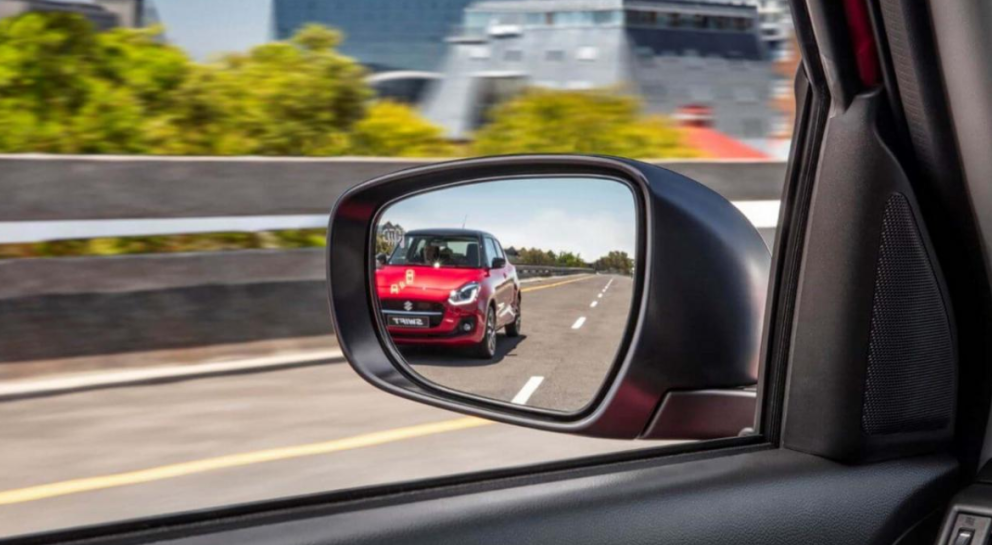
Driving around Dublin — whether you’re navigating the M50 at rush hour or squeezing through narrow South Dublin streets — means staying constantly aware of what’s around you. One of the biggest challenges? The bits you can’t see.
That’s exactly where Blind Spot Monitoring comes in.
What Is Blind Spot Monitoring?
Blind Spot Monitoring (BSM) is a car safety feature that alerts you when another vehicle is sitting just outside your field of vision — usually just behind or beside your car in the adjacent lane.
Even with your mirrors adjusted properly, there’s always a small area you won’t catch. On busy Irish roads, that can easily lead to a near miss when switching lanes.
Put simply:
It’s a system that tells you when it’s not safe to move over.
How Blind Spot Monitoring Works
A blind spot detection system uses radar sensors and cameras — usually fitted into the rear bumper or sides of your car — to detect vehicles located in your driver's blind spot and adjacent lanes.
These sensors detect vehicles, motorcycles, bicycles, pedestrians, and other objects traveling beside or behind your vehicle, scanning the area continuously in real time.
Here’s how it helps:
- Some advanced systems even gently steer you back or apply brakes to prevent collisions
- If you use your turn signal to switch lanes while a vehicle is detected in your blind spot, you will receive an audible alert, such as a beep or flashing light
- A visual warning light appears on your side mirror when a vehicle enters your blind spot
It all happens instantly, which is exactly what you need in fast-moving traffic.
Why It Matters on Irish Roads
In our experience, this feature makes a noticeable difference for drivers across Dublin and beyond.
You’re dealing with:
- Wet roads, fog, snow, and low visibility conditions that can affect sensor performance if dirt or snow covers the sensors
- Tight roundabouts and merging traffic
- Constant lane changes on the M50
A blind spot warning system adds that extra layer of awareness when conditions aren’t ideal — which, let’s be honest, is often the case in Ireland.
We often see customers prioritising this feature when upgrading, especially those commuting daily or driving with family onboard.
Additional Safety Features
Many blind spot monitoring systems also include rear cross traffic alert, which warns you of vehicles or pedestrians approaching from the sides when reversing.
The system activates at certain speeds and is controlled via a switch or automatically when the transmission is in drive mode. Always consult your vehicle’s owner’s manual for specific instructions on activation and operation.
Is Blind Spot Monitoring Standard?
Not always — it depends on the make, model, and trim level.
That said, manufacturers like Suzuki have really stepped up in recent years. Models like the Suzuki Vitara and S-Cross frequently include advanced safety features, including blind spot monitoring in higher specs.
If you’re looking at used cars, it’s worth checking what’s included — two cars of the same model year can have very different safety tech depending on the trim.
Should You Rely on It Completely?
Short answer — no.
Blind spot monitoring is there to support you, not replace good driving habits.
You should still:
- Do a quick shoulder check before switching lanes
- Check your mirrors
Think of it as a second set of eyes, not the only one.
Does It Affect NCT or Insurance?
It’s not something that’s tested during the NCT, but it does contribute to overall safety — which insurers are paying more attention to.
Cars with modern safety systems can sometimes be viewed more favourably, particularly for newer drivers.
You can learn more about road safety recommendations from AA Ireland, and vehicle regulations from Revenue, especially if you’re importing or registering a newer model with added features.
Is It Worth Having?
In a word — yes.
It’s one of those features that feels small at first but quickly becomes something you rely on, especially if you’re regularly driving in traffic-heavy areas like Dublin.
In our experience, once drivers get used to it, they don’t want to go back.
Thinking About Upgrading?
If you’re considering a newer or safer car, it’s well worth looking at models that include blind spot monitoring and other driver assistance features.
At Gerry Caffrey Motors, we regularly stock high-spec Suzuki models like the Vitara, Swift, and S-Cross — many equipped with the latest safety tech, including radar sensors and rear cross traffic alert.
You’ll also find flexible finance options and trade-in deals to make upgrading straightforward.
If you’re considering upgrading to a Suzuki, stop by Gerry Caffrey Motors in Terenure, Dublin 6W, and explore the options that best fit your driving needs.