Autumn Has Arrived: Is Your Car Ready for the Change in Weather?
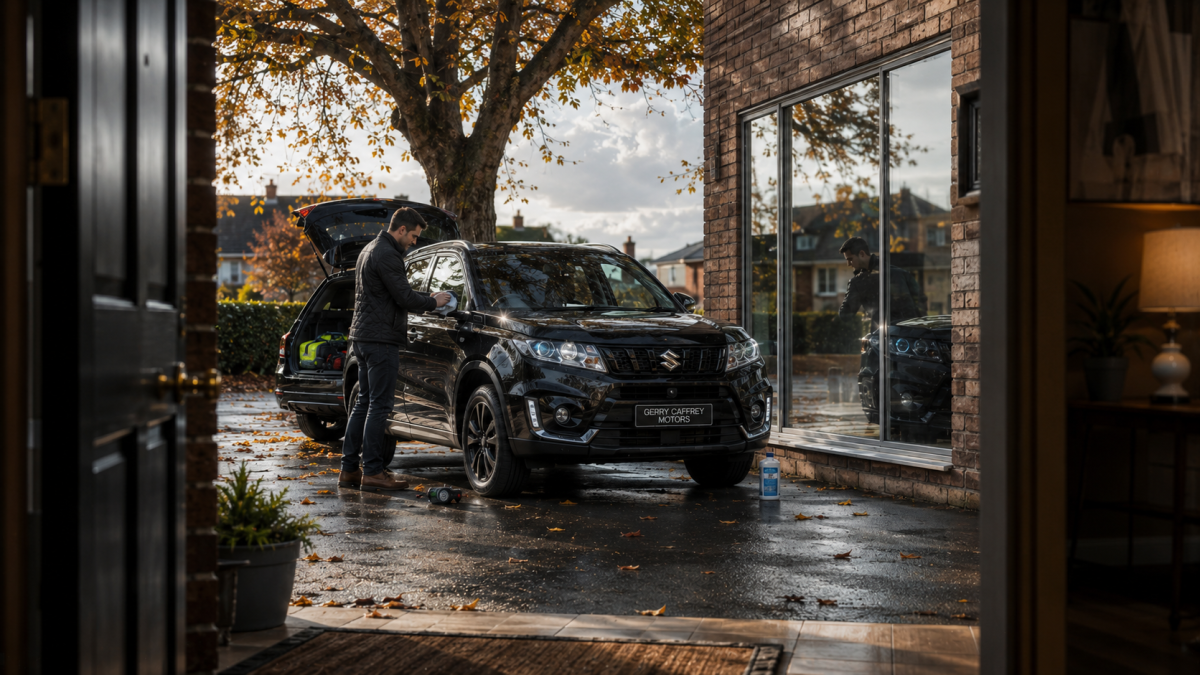

Autumn in Ireland rarely arrives with a neat change of season. One week it’s mild; the next, you’re driving through heavy rain, low sun, fallen leaves and darker evenings — sometimes on the same journey.
For motorists in Dublin and across Ireland, now is a sensible time to give the car a proper seasonal check. A few straightforward jobs can improve visibility, grip and reliability before the weather becomes more demanding. This autumn car maintenance routine helps keep your vehicle running smoothly and reduces the risk of costly repairs.
Why Autumn Driving in Ireland Deserves Extra Attention
Irish roads can change quickly at this time of year. A dry morning in South Dublin can turn into a wet evening commute on the M50, while surface water and leaves can make local roads surprisingly slippery.
Shorter days also mean more driving in poor light. Add misted windows, spray from other vehicles and the glare of a low autumn sun, and small maintenance issues can become much more noticeable.
In our experience, drivers often wait until a wiper starts smearing or a battery struggles before booking a check. Catching wear early is usually easier — and far less stressful — than dealing with a problem on a cold, wet morning.
Your Seasonal Car Check: What to Inspect
1. Check Tyre Tread Depth, Condition and Pressure
Your tyres are the only parts of the car in contact with the road, so they’re the natural place to start.
Check the tyre tread depth across each tyre, not just at one point. The legal minimum tread depth for most car tyres in Ireland is 1.6mm across the central three-quarters of the tread, but the Road Safety Authority recommends at least 3mm for safety, especially in wet conditions. Use a 20p coin to visually inspect the tread depth at home.
Look for uneven wear, cuts, cracking or bulges, and set the pressures to the manufacturer’s recommendation when the tyres are cold. Tyre pressure should ideally be between 30 and 35 PSI and checked monthly, as cooler air causes tyre pressure to drop, increasing the risk of under-inflation which affects grip and braking distance.
Don’t forget the spare wheel if your car carries one. If it uses a puncture repair kit instead, check the sealant’s expiry date and make sure the compressor is present.
2. Replace Worn Brake Pads and Test Brakes
Brakes are critical for safe driving, especially on slippery autumn roads. Listen for grinding, squealing or knocking noises when braking, and notice if the car pulls to one side or if the brake pedal feels soft or spongy.
Visually inspect your brake pads; if they are under 3mm thick, they are generally considered unsafe and should be replaced. Also, check the brake fluid level and condition, as old or contaminated brake fluid can reduce braking performance and increase risk.
3. Replace Worn Wiper Blades and Maintain Visibility
Wipers deteriorate gradually, which makes it easy to overlook how poorly they’re performing.
If the blades judder, leave streaks or miss sections of the windscreen, replace them. Clean the windscreen inside and out; grime on the inside can make low-sun glare much worse.
Use a suitable screenwash mixture to top up the washer reservoir instead of plain water. Check that the jets are clear and aimed correctly.
4. Test Every Exterior Light and Replace Light Bulbs
Walk around the car and test all exterior lights: dipped headlights, full beams, indicators, brake lights, fog lights and number-plate lights. Ask someone to help, or use a reflection in a wall or window to check the rear lights.
A failed bulb affects both visibility and your ability to signal clearly, which is a safety risk for other drivers and road users. It may also become an issue at NCT time, so there’s no benefit in putting it off.
Clean the lenses while you’re there. Road film can reduce the useful light reaching the road, particularly on wet, unlit routes.
5. Make Sure the Car Battery Is Ready for Colder Weather
Cooler temperatures and increased use of lights, heating, wipers and demisters put more demand on the car battery.
Watch for slow starting, dim lights when the engine turns over or electrical systems behaving unusually. If the battery is several years old or you’re unsure of its condition, a simple test can show whether it’s holding charge properly.
Visually inspect the battery terminals for corrosion, rust or buildup, and clean as needed. Check the battery fluid level and top up with distilled water only if applicable. Driving short distances in cold weather may not give the battery enough time to recharge fully.
Car batteries typically last around 3-5 years. If your battery is older than 4 years, consider a preventive replacement before winter arrives to avoid breakdowns.
6. Check Fluids and Look for Leaks
Check the engine oil level using the dipstick regularly. Motor oil is the blood of a car's engine, lubricating moving parts and preventing overheating. An oil change along with replacing the oil filter is essential to keep the engine running smoothly.
Inspect coolant levels when the engine is cold; coolant prevents freezing, overheating, and rusting inside the engine. Make sure levels are between the minimum and maximum marks and use the correct specification for your vehicle.
Check brake fluid condition and replace if it appears dirty or old to maintain responsive braking.
Don’t forget to check other fluid levels such as power steering fluid and transmission fluid if applicable.
If any fluid drops again soon after topping up, have the car inspected for leaks or other potential issues.
7. Test the Heater, Demisters and Air Conditioning
Clear windows are essential for safe wet weather driving. Test the front and rear demisters before you need them, and make sure the heater and fan work at each setting.
Air conditioning helps remove moisture from the cabin even when the temperature outside is cool. If windows mist up quickly, check for damp carpets, blocked drainage points or worn door seals.
8. Inspect Suspension and Steering Components
Potholes, ramps and uneven surfaces around Dublin can expose worn suspension components. If the car feels unsettled, bounces excessively or makes new noises over bumps, arrange a comprehensive check.
Worn suspension affects vehicle control and comfort, increasing the risk of accidents.
9. Refresh Your Autumn Emergency Kit
Keep a high-visibility vest, torch, phone charging cable and warning triangle in the car. A small umbrella, warm layer and bottle of water can make an unexpected delay much easier to manage.
Make sure your breakdown-assistance details are current. It’s also worth checking the location of the locking wheel-nut key before you need it.
Why a Full Car Service Is Important This Autumn
A full service involves a comprehensive check of your car’s engine, brakes, fluids, filters (including air filter, fuel filter, oil filter), spark plugs, and other components. This yearly or 10,000 km service helps identify minor issues before they become costly repairs.
Keeping your service book up to date with a full service history not only ensures your car runs efficiently but also helps maintain its resale value.
Booking a full service at a trusted garage like Gerry Caffrey Motors means you get expert technicians who will visually inspect your car, provide a no obligation quote for any additional work, and carry out the service at a convenient time.
Safer Wet Weather Driving on Dublin and Irish Roads
Good car maintenance matters, but driving style matters just as much when the road is wet.
- Use dipped headlights when visibility is poor, but don’t use rear fog lights unless conditions justify them.
- Expect leaves, mud and diesel residue to reduce grip around bends and junctions.
- Be cautious near large puddles, especially when you can’t judge their depth.
- Avoid cruise control where standing water is a concern.
- Use smooth steering, braking and acceleration.
- Slow down and increase the gap to the vehicle ahead.
Wet roads reduce tyre grip and can increase stopping distance. Give yourself more time to react, particularly on busy Dublin routes and narrow rural roads.
If the car begins to aquaplane, ease off the accelerator and avoid sudden steering or braking inputs. Keep the steering steady until the tyres regain contact with the road.
Is It Time to Book a Car Service?
A home check is useful, but it isn’t a replacement for scheduled car servicing. If a service is due, a warning light is showing or something doesn’t feel right, have the vehicle examined by a qualified technician.
A proper full service can cover items that aren’t easy to assess on the driveway, including brake pads wear, battery health, fluid condition and components underneath the car. It’s also a good opportunity to deal with small issues before an upcoming NCT.
Gerry Caffrey Motors’ aftersales department in Terenure provides servicing, general repairs, NCT checks and diagnostic support for Suzuki vehicles and other makes. They offer hassle free, transparent service with no obligation quotes and expert advice.
New or Used: Would a Different Car Suit Your Driving Better?
Sometimes a seasonal car check highlights more than worn wipers. If repair costs are mounting, your needs have changed or you want newer safety and efficiency features, autumn can be a practical time to consider an upgrade.
The Suzuki Swift is a strong fit for tight Dublin streets, busy commutes and easy parking. For drivers who want a higher driving position and flexible everyday space, the Suzuki Vitara is a versatile option.
The Suzuki S-Cross adds room for family life, longer journeys and weekends beyond the city. The right model depends on how you actually use the car — not simply which one is newest.
A brand-new Suzuki gives you the latest specification and the reassurance of starting from day one. A carefully selected used car can offer excellent value, particularly when condition, history, mileage and NCT status have all been properly checked.
Gerry Caffrey Motors stocks new Suzuki models alongside a carefully selected range of premium used vehicles.
Finance, Trade-Ins and Irish Registration Checks
If you’re changing car, start with a realistic monthly budget and the total cost of the agreement. Compare the deposit, term, interest rate, mileage conditions and final payment where applicable — not only the headline monthly figure.
A trade-in can reduce the amount you need to finance, and a clear appraisal makes it easier to compare your options. Gerry Caffrey Motors offers finance options for new and used vehicles, subject to approval and the relevant terms.
For any used car, check its service history, mileage, NCT record and registration details. If you’re considering an imported vehicle, confirm that its VRT position and Revenue documentation are in order before committing.
An attractive asking price can look very different once registration costs and paperwork are considered.
Get Ready Before the Weather Turns
Ten minutes spent checking tyres, lights and visibility can reveal a problem before it becomes an autumn breakdown. If anything looks worn, sounds unusual or simply doesn’t feel right, get it checked rather than hoping it’ll last until winter.
Thinking about upgrading to a Suzuki, arranging a seasonal check or valuing your trade-in? Visit Gerry Caffrey Motors at 106–112 Terenure Road North, Dublin 6W, and have a relaxed chat with the team.